
Before You Leave: The Travel Safety Checklist That Covers All the Bases
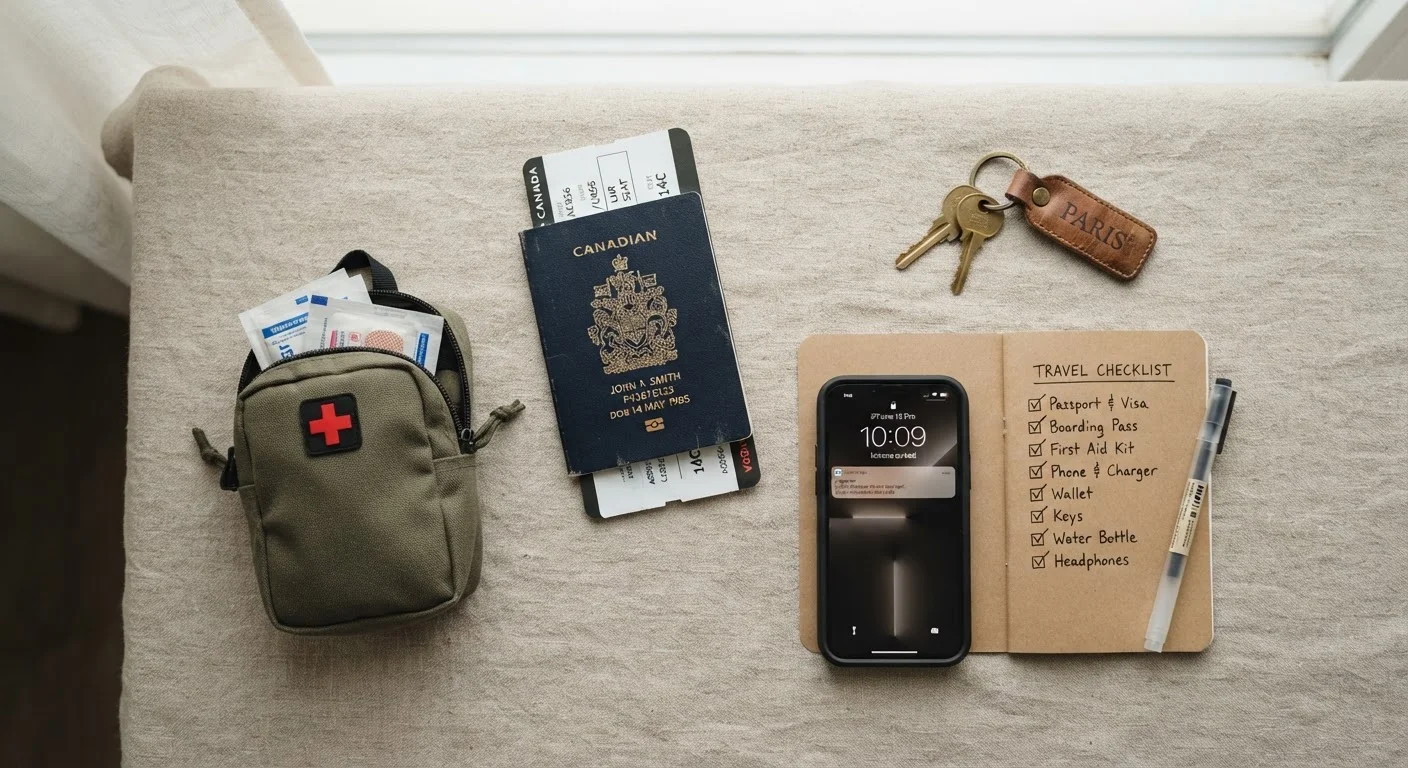
Photo credit: ResultsPoint.net | Find The Required Information
In this article
A practical pre-departure checklist covering documents, health prep, emergency contacts, and security essentials.
Key Takeaways
- Verifying documents and entry requirements well before departure prevents costly surprises at the border.
- Registering with your government's traveler program is free and ensures you can be reached in an emergency abroad.
- Sharing your itinerary with a trusted contact at home is one of the simplest and most effective safety steps.
- Health preparation — including vaccinations, prescriptions, and insurance — should begin weeks before departure.
- Securing your home and digital accounts before leaving reduces risk while you're away.
Why a Pre-Departure Safety Checklist Matters
Most travel problems don't happen in the destination — they happen in the gap between planning and leaving. A missed visa requirement, an expired passport, or a forgotten emergency contact can turn a manageable situation into a genuine crisis. This checklist is designed to close that gap, whether you're flying internationally or driving across state lines.
For first-time travelers especially, the volume of things to track can feel overwhelming. Our beginner's travel safety guide covers foundational habits in depth — use it alongside this checklist to build solid pre-trip habits. If you're still in the research phase, the pre-trip research checklist walks through what to verify before you commit to any booking.
Work through the groups below roughly two to four weeks before departure, then do a final pass the night before you leave.
U.S. State Department STEP (Smart Traveler Enrollment Program)
Registers your trip with the nearest U.S. embassy so you can be contacted and assisted in an emergency abroad.
Travel Medicine Clinic
Provides destination-specific vaccination guidance and prescription medications like antimalarials ahead of international travel.
Travel Insurance Policy
Covers emergency medical expenses, evacuation, trip interruption, and lost luggage — verify coverage before departure.
Secure Cloud Storage
Stores encrypted digital copies of travel documents accessible from any internet-connected device if originals are lost.
International Phone Plan or Portable Wi-Fi Device
Ensures reliable communication and map access throughout your trip without incurring excessive roaming fees.
The Full Pre-Departure Safety Checklist
These items are organized into logical stages. Complete the Documents & Entry and Health Preparation groups early — some items, like obtaining vaccinations or renewing a passport, require significant lead time. The remaining groups can be handled in the final days before departure.
Documents & Entry Requirements
Health Preparation
Emergency Contacts & Communication
Financial Preparation
Digital & Personal Security
Home Security Before You Leave
Entry Requirements Change — Verify With Official Sources
Visa rules, vaccination requirements, and entry restrictions can change with little notice. Do not rely solely on travel blogs, forums, or third-party aggregators for this information. Always check the official government website of your destination country and the U.S. State Department's country information pages before departure. Arriving without the correct documentation can result in denied boarding or refusal of entry.
If your trip involves a long drive rather than a flight, pair this checklist with the pre-drive safety walkthrough to cover vehicle-specific readiness. For packing, the full packing checklist is a natural complement to what's covered here.
After You've Checked Every Box
Completing this checklist doesn't guarantee a problem-free trip — no checklist can — but it dramatically reduces the likelihood that a preventable oversight derails your plans. Once you're on the road, the habits you build matter just as much as the preparation you did at home. Our guide on staying safe abroad covers the day-to-day practices experienced travelers use to reduce risk in unfamiliar places.
Lost Passport Abroad: Know the Steps
If your passport is lost or stolen while traveling internationally, contact the nearest U.S. embassy or consulate immediately. They can issue an emergency passport that allows you to return home, but the process takes time and requires proof of citizenship. Having photocopies and digital scans of your passport stored separately accelerates this process considerably — this is not a step to skip.
Keep digital copies of your key documents in a secure cloud folder and email them to yourself as a backup. If your wallet or bag is lost or stolen, having access to scanned copies of your passport, insurance card, and itinerary from any internet-connected device can speed up the recovery process significantly.
This article provides general travel safety information for educational purposes. Always verify entry requirements, health advisories, and travel restrictions with official government sources before departing.

Author
Travel Editorial Team
Travel Editorial Team is the collective byline for our editorial team and contributor network. Articles published under this byline or an editorial pen name are researched, written, and reviewed according to our editorial standards for clarity, consistency, and independence before publication.
View all articles →