
Staying Safe Abroad: The Habits Experienced Travelers Rely On
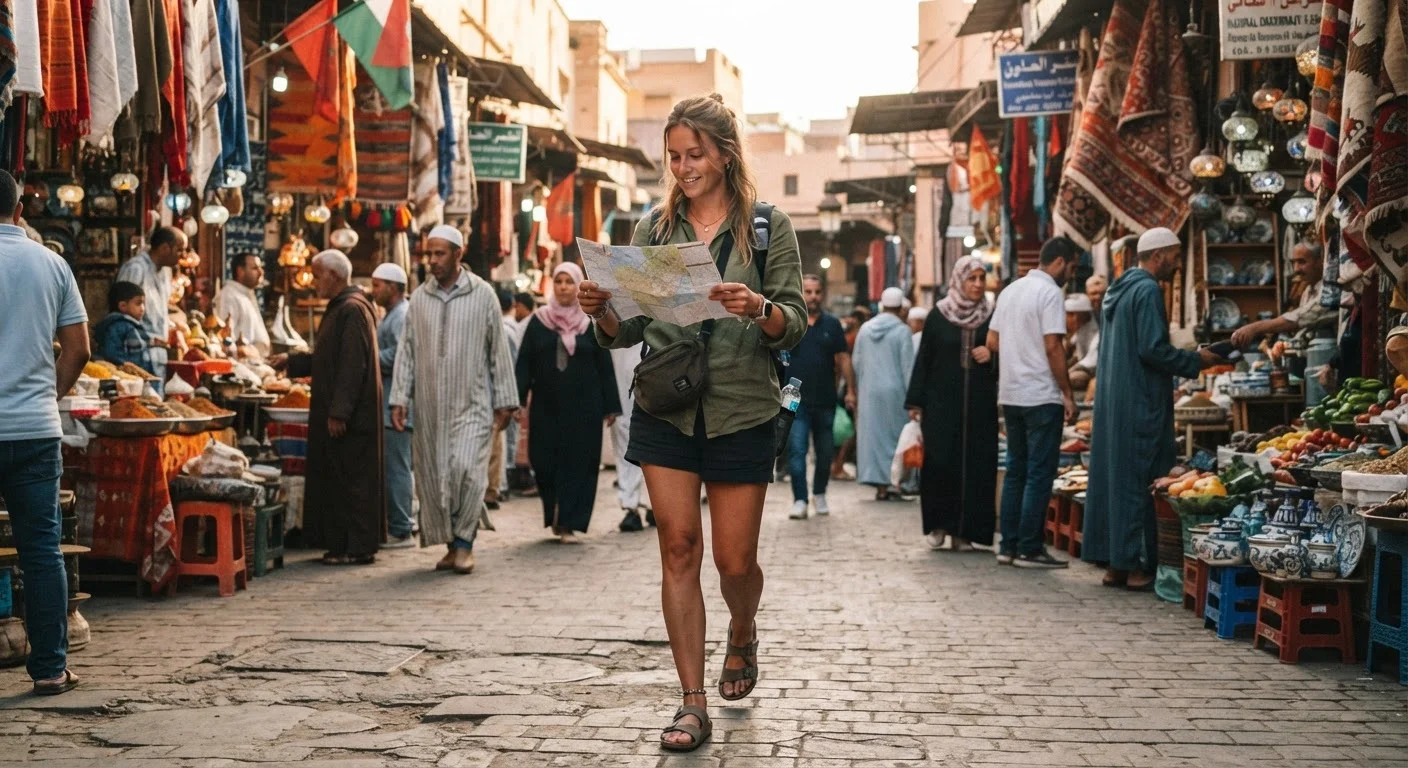
Photo credit: ResultsPoint.net | Find The Required Information
In this article
From blending into local surroundings to managing digital security, these proven habits reduce risk on international trips.
Key Takeaways
- Registering your trip with the U.S. State Department before departure connects you to emergency alerts and consular help.
- Blending in with local dress and behavior significantly reduces the chance of being targeted by opportunistic crime.
- Keeping digital copies of key documents in secure cloud storage protects you if originals are lost or stolen.
- Avoiding public Wi-Fi for sensitive tasks — or using a VPN — substantially reduces exposure to data theft.
- Knowing local emergency numbers before you arrive can be the difference between a fast response and costly delays.
Before You Leave: Preparation Is Your First Line of Defense
Most travel incidents that experienced travelers avoid aren't avoided by luck — they're avoided by preparation done weeks before departure. The habits that matter most begin at home.
Register your trip with the U.S. State Department's Smart Traveler Enrollment Program (STEP). This free service links your itinerary to the nearest U.S. embassy or consulate, making it easier for officials to reach you during emergencies — natural disasters, political unrest, or family crises back home. See our guide to key emergency resources for a broader overview of what to have ready before you go.
Make digital copies of your passport, visa, travel insurance policy, and any prescriptions. Store them in a secure, password-protected cloud account — not just on your phone. If your device is stolen, you'll still be able to access critical documents from any internet café or hotel computer.
On the Ground: Situational Awareness and Blending In
The most effective safety habit experienced travelers share is deliberate awareness — not paranoia, but a calm, consistent read of their surroundings. This means knowing the layout of a neighborhood before wandering it, identifying exits in restaurants or transit stations, and trusting instincts when something feels off.
Dressing like a tourist — luxury logos, expensive camera gear worn openly, a confused expression while staring at a phone — signals vulnerability. Experienced travelers research local dress norms and adapt accordingly. That doesn't mean pretending to be someone you're not; it means not advertising that you're unfamiliar with your surroundings. For a deeper look at how domestic and international risk profiles differ, see our article on domestic vs. international travel safety.
Managing Money and Valuables Smartly
Pickpocketing, ATM skimming, and distraction scams are consistent risks in high-traffic tourist areas worldwide. Experienced travelers manage this by distributing their financial resources — keeping a small amount of local cash in an accessible pocket, while the bulk of money and backup cards remain in a concealed travel wallet or hotel safe.
82%
Of travel theft occurs in crowded public spaces
According to travel security research, the overwhelming majority of opportunistic theft targeting tourists happens in busy, distraction-rich environments like markets, transit stations, and tourist attractions.
1 in 6
Americans experience travel disruption annually
U.S. Travel Association data suggests a significant share of American travelers encounter some form of disruption — from lost documents to health incidents — underscoring the value of proactive preparation.
Avoid using ATMs at night or in isolated locations. Choose machines attached to banks rather than standalone kiosks. Notify your bank of your travel dates and destinations in advance to prevent fraud flags from blocking legitimate transactions. For comprehensive guidance, our article on protecting your money and cards while traveling covers these tactics in detail.
Digital Security Doesn't Stop at the Airport
Connecting to public Wi-Fi at hotels, airports, and cafés is one of the most common ways travelers expose sensitive data. Experienced travelers treat any unfamiliar network as potentially compromised — especially for tasks like banking, email, or logging into accounts.
Using a VPN encrypts your connection and adds a meaningful layer of protection on public networks. Equally important: enable two-factor authentication on email and financial accounts before you travel. If a device is lost, remote-wipe capabilities on your phone can prevent a bad situation from becoming far worse. Our digital safety on the road guide goes deeper on device security and border considerations.
Social Media Oversharing Can Create Risk
Posting your real-time location, hotel name, or daily plans on social media while traveling can inadvertently signal to bad actors that you're away from home — or make your movements predictable. Consider posting travel photos after you've moved on to a new location, and review your privacy settings before departure. Our article on habits that undermine online security covers related risks in detail.
Building the Habit Mindset for Every Trip
Safety abroad isn't a checklist you complete once — it's a set of habits applied consistently across every trip. Experienced travelers review government travel advisories (available through the U.S. State Department) for every destination, even familiar ones. Conditions change, and an advisory that didn't apply last year may be relevant now.
If you're new to international travel, our beginner's travel safety overview is a strong starting point. For solo travelers, the dynamics shift in important ways — our solo travel safety guide addresses those specific considerations.
“The single most important safety tool a traveler has isn't a money belt or a VPN — it's a prepared mind. Awareness, planning, and flexibility solve more problems than any piece of gear.”
— Travel Security Advisory Panel, Independent travel safety advisory group
This article provides general travel safety information for educational purposes. Always verify entry requirements, advisories, and local laws with official government sources before traveling.

Author
Travel Editorial Team
Travel Editorial Team is the collective byline for our editorial team and contributor network. Articles published under this byline or an editorial pen name are researched, written, and reviewed according to our editorial standards for clarity, consistency, and independence before publication.
View all articles →