
Protecting Your Money and Cards While Traveling
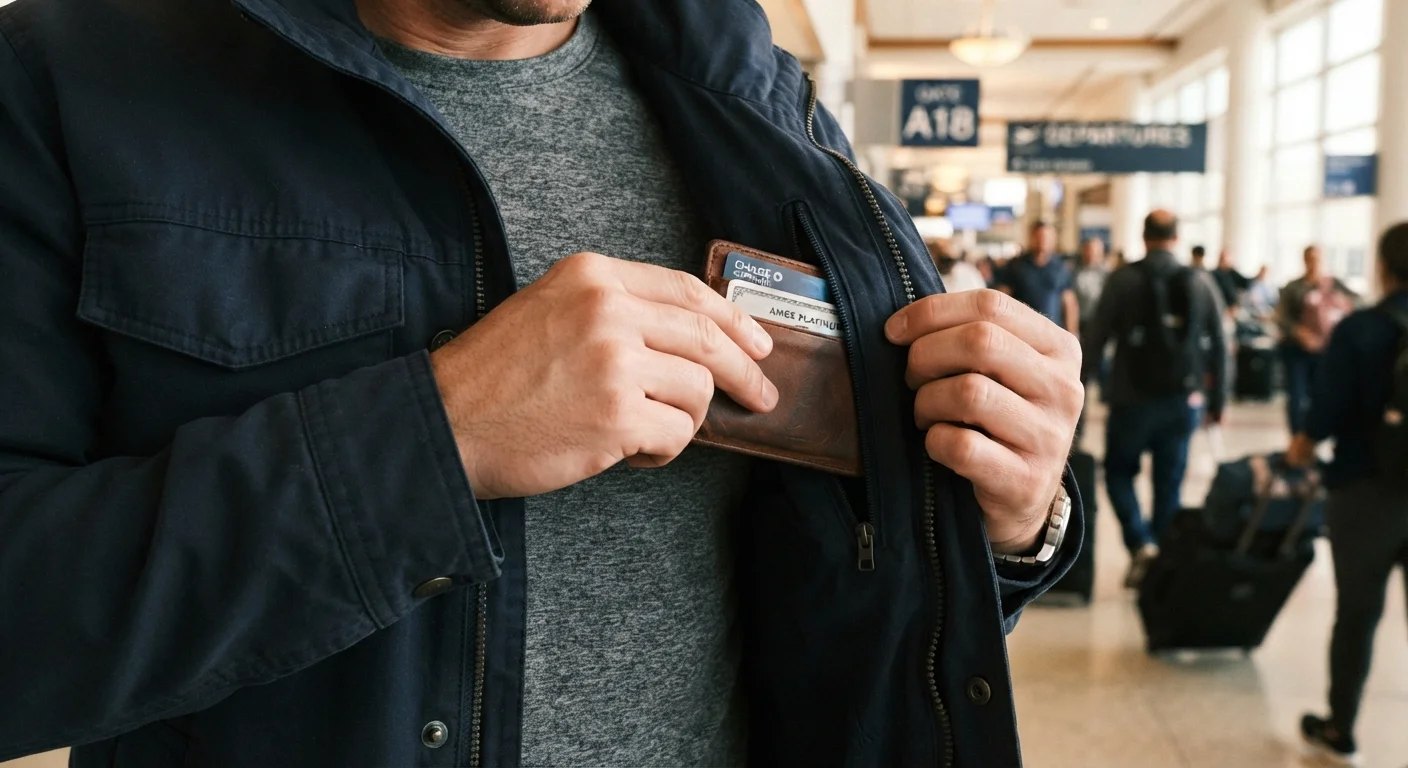
Photo credit: ResultsPoint.net | Find The Required Information
In this article
Credit card skimming, ATM fraud, and pickpocketing are real travel risks. Learn practical steps to safeguard your finances on the road.
Key Takeaways
- Notify your bank before traveling to prevent legitimate transactions from being flagged or blocked.
- Use ATMs inside banks or well-lit, monitored locations to reduce skimming risk.
- Carry only the cards and cash you need for each day — never your entire wallet.
- Enable real-time transaction alerts on all cards so you spot unauthorized charges immediately.
- RFID-blocking sleeves or wallets can reduce contactless card skimming in crowded spaces.
- A decoy wallet with minimal cash can redirect pickpockets away from your real valuables.
Why Financial Safety Deserves Specific Attention While Traveling
Financial fraud doesn't only happen to inattentive travelers. ATM skimmers, card cloning, and pickpocketing are documented, widespread risks in popular destinations — domestic and international alike. Travelers are often targeted precisely because they're distracted, unfamiliar with the environment, and may not notice a problem until they're back home.
Understanding the threat landscape isn't about fear — it's about making small, deliberate decisions that close off common vulnerabilities. The steps below apply whether you're on a weekend road trip or a month abroad. For a broader introduction to travel safety fundamentals, see what every first-time traveler should know.
What you will need
What You'll Need
You don't need expensive gear to protect your finances while traveling. The most important assets are preparation and awareness. That said, a few practical tools make the job easier.
RFID-blocking wallet or sleeve
Prevents contactless skimming of chip-enabled cards in crowded environments.
Money belt or hidden travel pouch
Conceals cash and backup cards under clothing, making them inaccessible to pickpockets.
Secure combination lock for luggage
Protects bag contents when stored in shared accommodations or hotel rooms.
Bank's mobile app with transaction alerts
Sends real-time notifications for every card transaction so you catch fraud immediately.
Step-by-Step: Securing Your Cards and Cash
Follow these steps in order — the earlier ones (like setting up alerts and notifying your bank) need to happen before you leave home, while others become ongoing habits during your trip.
Notify your bank and card issuers before you leave
Call or use your bank's app to set a travel notice at least 48 hours before departure. Include every destination and your return date. Without this, your issuer may freeze legitimate purchases abroad, leaving you without access to funds at a critical moment.
Enable real-time transaction alerts on all cards
Turn on push notifications or SMS alerts for every transaction on each card you're bringing. This gives you a near-instant signal if an unauthorized charge occurs, allowing you to act before more damage is done.
Pare down your wallet before you go
Carry only what you genuinely need each day: one primary credit card, one debit card for cash withdrawals, and a modest amount of local currency. Leave loyalty cards, store cards, and your Social Security card at home. A lighter wallet means less to lose and less to cancel.
Use only secure, monitored ATMs
Skimming devices — small electronics attached to ATM card slots to capture card data — are most common on standalone machines in tourist-heavy areas. Prioritize ATMs located inside bank branches or well-monitored hotel lobbies. Before inserting your card, physically tug the card reader: legitimate readers are fixed firmly and won't move.
Store backup funds and a spare card separately
Keep an emergency card and a small reserve of cash in a location completely separate from your everyday wallet — a hotel safe, a hidden pouch worn under clothing, or a locked interior bag compartment. This separation means a single theft event doesn't leave you completely stranded.
Monitor your accounts daily and act on anything suspicious
Make a habit of reviewing your transaction history each evening — it takes under two minutes. If you see a charge you don't recognize, contact your issuer immediately. Prompt reporting is the most effective tool you have, and U.S. consumer protections on unauthorized card transactions generally favor cardholders who report quickly.
Split Your Cash and Cards Strategically
Store your backup card and emergency cash in a separate location from your everyday wallet — a hotel safe, a hidden travel pouch, or a locked bag compartment. If your wallet is stolen, you'll have a fallback without having to cancel every card at once.
Recognizing and Responding to Common Scams
Beyond hardware skimmers and pickpockets, travelers are often targeted by social engineering — scams that rely on distraction or false urgency rather than physical theft. Common tactics include strangers spilling something on you to divert attention, staged "police" who ask to inspect your wallet, and unofficial currency exchange offers that shortchange you.
The common thread in most scams is sudden, unexpected contact that pressures you to act quickly. When that happens, slow down. Step away. Verify independently before handing over any card or cash. You can deepen your defenses against deception by reading about common travel safety myths that leave people vulnerable.
Report Fraud Immediately — Every Hour Counts
If a card is lost, stolen, or shows unauthorized charges, contact your card issuer the moment you notice. Most issuers have 24/7 international support lines listed on the back of your card — save these numbers separately before you travel. The faster you report, the stronger your fraud protection under U.S. consumer law.
If your situation involves digital risks — someone accessing accounts via a shared device or compromised network — the patterns overlap with scams described in our overview of recognizing scams before they cost you.
Avoid Using Public Wi-Fi for Banking
Logging into your bank account or entering card details over public Wi-Fi in hotels, airports, or cafés creates real exposure to data interception. If you must check your finances on the road, use your phone's cellular data connection or a trusted VPN. For a fuller picture of digital risks while traveling, see our guide on protecting your data when you travel.

Author
Travel Editorial Team
Travel Editorial Team is the collective byline for our editorial team and contributor network. Articles published under this byline or an editorial pen name are researched, written, and reviewed according to our editorial standards for clarity, consistency, and independence before publication.
View all articles →