
The Travel Safety Myths That Could Leave You Less Protected
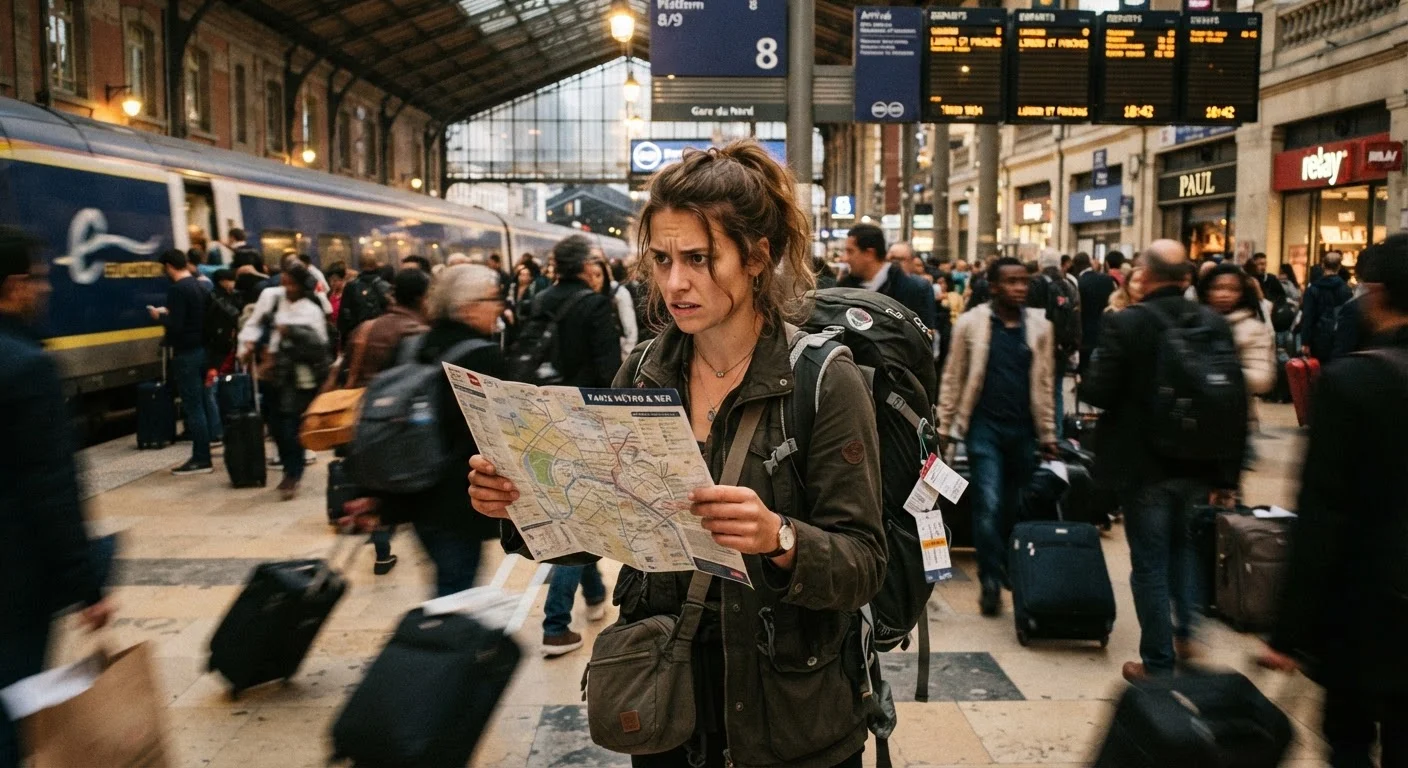
Photo credit: ResultsPoint.net | Find The Required Information
In this article
Popular travel safety beliefs don't always hold up. We sort fact from fiction on topics like crime, tourist scams, and health risks.
Key Takeaways
- Busy tourist areas can be higher-risk for theft, not safer, than quieter neighborhoods.
- Travel advisories cover a range of risk levels — most trips to flagged countries remain safe with preparation.
- Tap water safety varies widely even within a single country; verify locally before drinking.
- Hotel safes and money belts each have real limitations that travelers often overlook.
- Scams in tourist hotspots target confident, experienced-looking travelers just as often as obvious newcomers.
Why Travel Safety Myths Are Worth Taking Seriously
Most travel myths aren't born from bad intentions. They spread because they sound reasonable, get repeated by well-meaning friends, and occasionally happen to work out. The trouble is that acting on faulty assumptions can leave genuine gaps in your safety plan — gaps that experienced pickpockets, scammers, and opportunistic thieves know how to exploit.
This article works through the most persistent travel safety misconceptions, explains what the evidence actually supports, and gives you a clearer picture to travel with. For a broader foundation, see our beginner's guide to travel safety before your first trip.
Myth
Staying in busy tourist areas keeps you safer because there are more people around.
Fact
High-foot-traffic tourist zones are prime hunting grounds for pickpockets and scammers precisely because crowds provide cover.
The logic seems sound — more witnesses, more safety. In practice, professional pickpockets prefer exactly these environments. Crowded markets, popular transit stations, and busy restaurant strips offer easy distraction and quick escape routes. Staying aware of your surroundings matters more than the density of people around you. Keep bags zipped and worn in front, avoid displaying valuables, and be especially alert when crowds surge or someone creates an unexpected distraction.
Myth
A travel advisory means a country is too dangerous to visit.
Fact
Travel advisories use tiered levels; most advisories call for increased caution rather than outright avoidance.
The U.S. Department of State uses a four-level advisory system ranging from "Exercise Normal Precautions" to "Do Not Travel." The majority of advisories fall in the middle tiers, recommending heightened awareness in specific regions — not blanket avoidance of an entire country. Reading the advisory detail matters: a Level 2 notice for a large country may apply only to particular areas. Always check the current advisory text directly at travel.state.gov before making decisions, and note that conditions can change.
Myth
Your hotel safe is the most secure place to store your passport and cash.
Fact
In-room hotel safes offer convenience, not high-security protection — they can be bypassed by hotel staff and sometimes by guests.
Most in-room safes use simple electronic locks with factory reset codes that are rarely changed. While they deter casual snooping, they are not equivalent to a bank vault. For your passport, consider whether leaving it at the front desk (in exchange for a receipt) or carrying a certified copy while securing the original in a hidden money belt is more appropriate for your destination. The right approach depends on your specific hotel and location — research your accommodation's security reputation in advance.
Myth
Only obvious tourists get targeted by scams — confident travelers are safe.
Fact
Scammers read confidence and adapt; experienced-looking travelers are targeted with more sophisticated approaches.
Common scam scripts are refined through repetition and work across traveler types. Distraction scams, "friendship" overtures near attractions, taxi fare disputes, and fake official approaches don't rely on identifying an obvious first-timer — they rely on creating a moment of uncertainty anyone can fall into. Awareness of common local scam patterns before you arrive is more protective than projecting confidence. Research destination-specific scams using resources from travel advisories and reputable travel organizations.
Myth
Tap water is safe anywhere in a developed country.
Fact
Water safety varies significantly even within countries generally considered to have good infrastructure — and "developed" covers a wide range of conditions.
While many cities in Western Europe and North America have reliably safe municipal water, this doesn't hold universally. Aging pipe infrastructure, localized contamination events, and regional differences all create variability. In some destinations, tap water may be technically treated but cause stomach upset in travelers whose systems aren't adapted to local mineral profiles or microbial content. The practical approach: check local guidance specific to your destination city, not just the country, and when in doubt use sealed bottled water or a certified filter. Always consult a travel medicine professional about health precautions before your trip.
Myth
Using public Wi-Fi is fine as long as you avoid logging into bank accounts.
Fact
Unencrypted public networks expose more than banking — email, travel bookings, and stored credentials can all be at risk.
The threat on unsecured public Wi-Fi isn't limited to one type of account. Session hijacking, man-in-the-middle interception, and rogue hotspot attacks can capture a range of data. Using a reputable VPN (virtual private network) on public networks adds a meaningful layer of protection. For a broader look at digital security habits that apply while traveling, the principles in our online privacy myths article translate directly to the road.
Health and Hygiene Myths That Travelers Repeat
Health-related travel myths can have real consequences. Assuming tap water is safe because it looks clear, or skipping a pre-travel medical consultation because you "never get sick," are the kinds of shortcuts that lead to avoidable illness. For a deeper look at the patterns behind travel-related illness, our article on why travelers get sick abroad is worth reading — and always consult a qualified healthcare provider before international travel, especially if visiting regions with specific vaccination requirements.
Don't Skip Pre-Travel Health Preparation
Vaccination requirements, recommended preventive medications, and food and water precautions vary significantly by destination and individual health history. General travel health information online is not a substitute for personalized guidance. Consult a qualified healthcare provider or a travel medicine clinic well before your departure date — ideally four to six weeks in advance — to allow time for any required immunizations to take effect.
The myths around financial safety while traveling follow a similar pattern: the solutions people trust most aren't always the most effective. Our guide on protecting your money and cards while traveling covers practical steps that actually reduce risk.
Building Safety Habits That Actually Hold Up
Correcting myths is only part of the work. Replacing them with durable habits is what keeps you safer across different destinations and trip types. The behaviors that experienced travelers rely on — like varying routines, staying alert in transit, and managing digital exposure — are rarely dramatic, but they're consistent. For a practical framework, see the habits experienced travelers rely on.
Level 1–2
Most U.S. travel advisories issued
The U.S. Department of State issues the majority of its country advisories at Level 1 or Level 2, indicating normal precautions or increased caution rather than travel avoidance.
~30–70%
Travelers who report illness abroad
Estimates from travel medicine literature suggest a significant proportion of international travelers experience some form of health issue, most commonly gastrointestinal, underscoring the value of pre-trip medical consultation.
Understanding where domestic and international risk profiles diverge is also useful context. Domestic vs. international travel safety breaks down how the challenges differ so you can calibrate your preparation accordingly. And if airports and transit are part of your journey, don't overlook the safety considerations most travelers miss in crowded terminals.
This article is for general informational purposes only. Travel conditions, entry requirements, health risks, and safety situations change frequently. Always verify current information with official government sources and consult qualified professionals — including healthcare providers — before traveling.

Author
Travel Editorial Team
Travel Editorial Team is the collective byline for our editorial team and contributor network. Articles published under this byline or an editorial pen name are researched, written, and reviewed according to our editorial standards for clarity, consistency, and independence before publication.
View all articles →