
Why Travelers Get Sick Abroad — and What Usually Goes Wrong
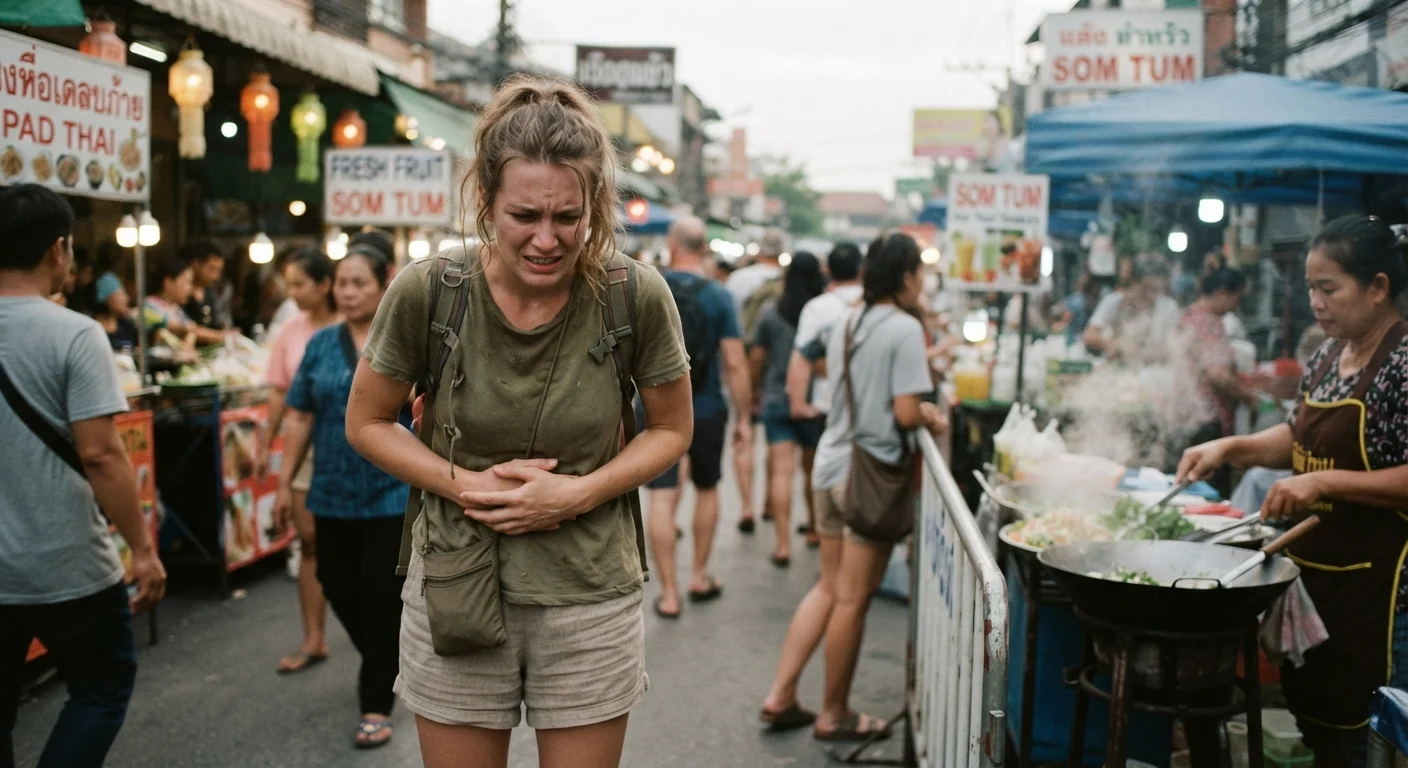
Photo credit: ResultsPoint.net | Find The Required Information
In this article
Foodborne illness, water quality, and altitude are common culprits. Understand the patterns behind travel-related illness. Always consult a doctor before traveling.
Key Takeaways
- Contaminated food and water are the leading causes of illness for travelers abroad.
- Many travelers skip pre-trip medical consultations, leaving vaccine-preventable illnesses unaddressed.
- Altitude sickness, jet lag, and sun exposure compound health risks that are easy to underestimate.
- Handwashing and careful food selection are among the most effective protective habits.
- Always consult a qualified healthcare professional before international travel.
The Patterns Behind Travel-Related Illness
Getting sick abroad is frustratingly common — and rarely random. Most travel-related illness follows predictable patterns tied to food, water, environment, and preparation gaps that travelers repeat trip after trip. Understanding those patterns is the first step toward avoiding them.
The good news is that many of the most disruptive travel illnesses are preventable with straightforward habits and advance planning. Whether you're heading to a major international city or a remote destination, the same core risks apply — they just vary in intensity. For a broader foundation on staying healthy and safe on the road, see our beginner's guide to travel safety.
Consult a Doctor Before You Depart
This article is general health information, not medical advice. Travel health needs vary significantly by destination, personal medical history, and trip length. Before any international trip, visit a travel medicine clinic or your primary care provider at least four to six weeks in advance to discuss vaccinations, medications, and destination-specific risks.
Common Mistakes That Lead to Getting Sick
Most travel illness stems from a handful of repeated, avoidable errors. Recognizing them before you go is far easier than managing them from a hotel room mid-trip.
Skipping a pre-travel health consultation entirely.
Why it happens: Many travelers assume a healthy baseline means no special preparation is needed, or they simply run out of time before departure.
Drinking tap water or using ice without checking local water safety.
Why it happens: Travelers default to habits from home, where tap water is reliably treated, without realizing municipal water quality varies widely across the globe.
Eating high-risk foods from unvetted sources without considering preparation conditions.
Why it happens: Street food is a rewarding cultural experience, and travelers often don't connect appealing food stalls with contamination risks from improper storage or handling.
Underestimating altitude and its physical effects.
Why it happens: Travelers often don't associate altitude with serious health risk unless they're mountaineering, overlooking that even popular destinations like Cusco, Peru or certain Andean cities sit above 10,000 feet.
Neglecting hand hygiene throughout the trip.
Why it happens: Regular handwashing is automatic at home but easy to overlook when traveling in new environments where access to soap and clean water isn't always convenient.
Ignoring sun, heat, and dehydration as genuine health threats.
Why it happens: Travelers focus on infection risks and treat environmental hazards as minor inconveniences, especially when excitement and a packed itinerary push physical warning signs to the background.
Don't Wait Until Symptoms Appear
Some travel-related illnesses — including certain infections and altitude-related conditions — can escalate quickly. If you develop a high fever, severe vomiting, difficulty breathing, or confusion during or after travel, seek medical care promptly rather than trying to self-treat. Do not rely on over-the-counter remedies as a substitute for professional evaluation.
It's also worth noting that some destinations carry higher baseline health risks than others — not as a reason to avoid them, but as a reason to prepare more carefully. Our article on the real trade-offs of high-risk travel explores how travelers can weigh those decisions honestly.
What Good Preparation Actually Looks Like
Effective preparation isn't about eliminating every possible risk — it's about reducing the most likely ones before departure and knowing how to respond if something does go wrong.
Up to 50%
Travelers who develop diarrhea abroad
Travelers' diarrhea is widely regarded as the most common travel-related illness, affecting a significant portion of visitors to certain regions, according to travel medicine literature.
4–6 weeks
Recommended pre-trip lead time for travel health prep
Health authorities generally recommend scheduling a travel medicine consultation at least four to six weeks before departure to allow time for vaccines and preventive medications to take effect.
Start with a professional consultation. A travel medicine provider can assess your destination's disease profile, your immunization history, and any pre-existing health considerations. They can also advise on medications to bring for common issues like travelers' diarrhea or altitude sickness — decisions that should always be made with clinical input, not based on online forums.
Pack a basic travel health kit that includes oral rehydration salts, a thermometer, adhesive bandages, and any prescription medications in their original labeled containers. Research the nearest medical facilities at your destination before you need them. Travel health insurance that covers emergency evacuation is worth reviewing with an insurance professional, particularly for remote or medically underserved destinations.
Traveling smart also means staying alert to your body. Fatigue, stress, and disrupted sleep suppress immunity — all common features of travel. Build rest into your itinerary rather than treating recovery as wasted time. For practical habits that experienced travelers use to stay well on international trips, see staying safe abroad.
This article is for general informational purposes only and does not constitute medical advice. Travel health needs vary by individual and destination. Always consult a qualified healthcare professional before traveling, particularly for international trips or if you have underlying health conditions.

Author
Travel Editorial Team
Travel Editorial Team is the collective byline for our editorial team and contributor network. Articles published under this byline or an editorial pen name are researched, written, and reviewed according to our editorial standards for clarity, consistency, and independence before publication.
View all articles →