
The Real Trade-Offs of Traveling to High-Risk Destinations
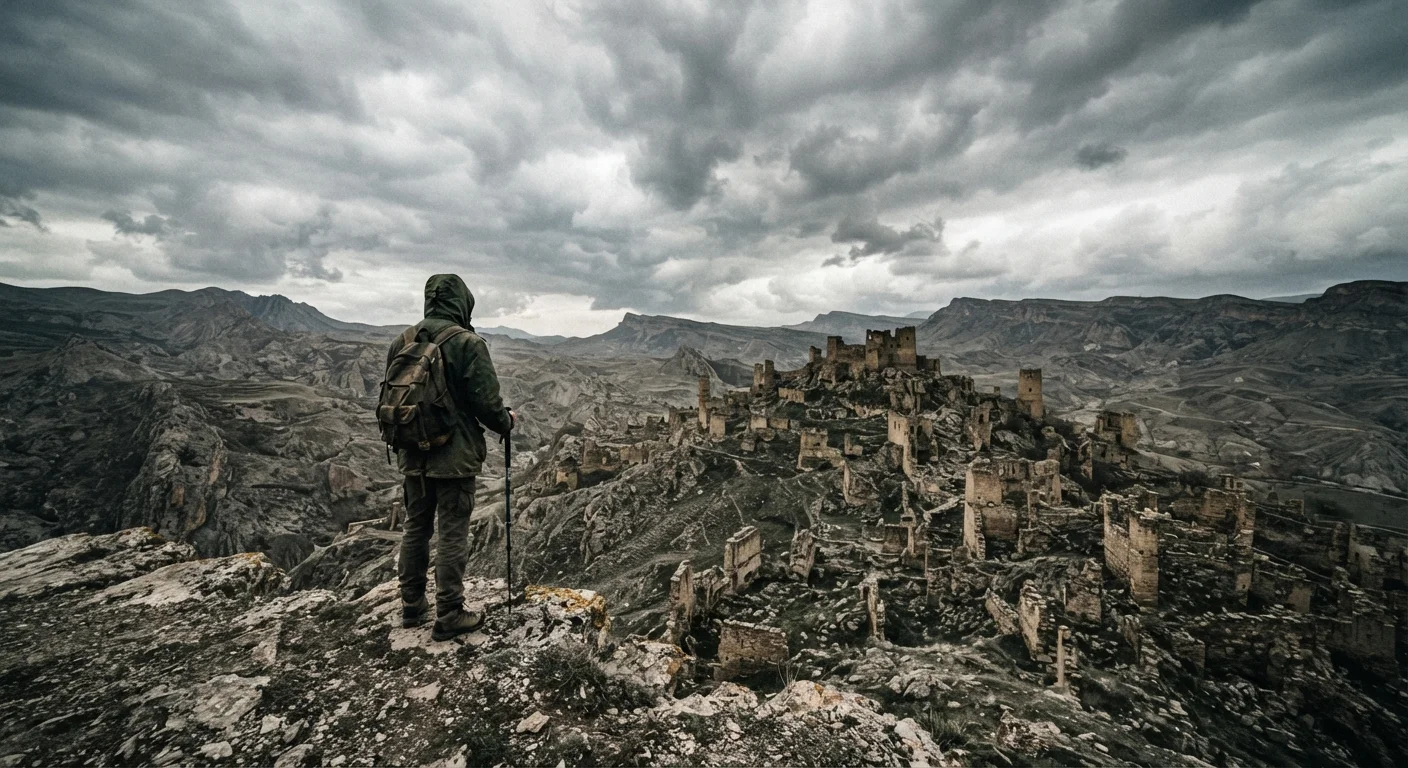
Photo credit: ResultsPoint.net | Find The Required Information
In this article
Some travelers choose destinations with elevated risk for compelling reasons. Here's an honest look at what that decision actually involves.
Key Takeaways
- High-risk destinations can offer genuine cultural depth, but that access comes with real safety trade-offs.
- Government travel advisories and travel insurance terms are essential starting points, not optional research.
- Travelers should assess their own experience level, support networks, and contingency plans before committing.
- Medical and financial risks at high-risk destinations often exceed what standard travel insurance covers.
- Solo travelers face compounded risks — additional planning layers are not optional in these contexts.
Access to places most travelers never see
High-risk designations often reduce tourist traffic dramatically, giving motivated visitors genuine access to cultural, historical, or natural sites without crowds or commercialization.
Deeper cultural immersion in some contexts
In destinations where tourism infrastructure is limited, travelers frequently interact more directly with local communities, leading to richer, less filtered cultural experiences.
Lower costs in certain high-risk regions
Reduced tourist demand can mean significantly lower prices for accommodation, food, and local services — though this must be weighed against higher insurance and preparation costs.
Professionally essential for some travelers
Journalists, documentary filmmakers, researchers, and humanitarian workers often have legitimate professional reasons to visit high-risk destinations where the work simply cannot be done elsewhere.
Standard travel insurance may not apply
Many travel insurance policies exclude destinations under active government advisories, leaving travelers without coverage for emergency evacuation, medical care, or trip interruption at exactly the moment they need it most.
Medical infrastructure is often severely limited
High-risk destinations frequently have inadequate hospital facilities, limited medication availability, and unreliable emergency response systems — meaning even a minor medical incident can become serious quickly.
Contingency plans are harder to execute
Flight cancellations, border closures, and civil disruptions can strand travelers or eliminate exit routes, and in unstable regions, embassy support may be stretched thin or temporarily suspended.
Psychological and emotional burden is real
Sustained vigilance in an unstable environment is mentally taxing; travelers frequently report that the cumulative stress of operating in a high-risk context outweighs what they anticipated before departure.
Legal exposure and local law complexity
Some high-risk destinations have legal systems that operate very differently from U.S. norms — travelers may face arbitrary detention, restrictions on photography, or unclear legal rights with limited consular access.
What 'High-Risk Destination' Actually Means
The term "high-risk destination" is not a single category — it covers a wide spectrum. A country under a U.S. State Department Level 3 advisory ("Reconsider Travel") is not the same as a Level 4 ("Do Not Travel"), and neither reflects the same conditions as a destination flagged primarily for petty crime or disease risk rather than political instability.
Before treating any destination as uniformly dangerous, travelers should review the specific reason for a designation. Advisories often apply to particular regions within a country, not the entire territory. Understanding the nature of the risk — civil unrest, criminal activity, kidnapping risk, health hazards, or natural disaster patterns — is the first step toward making a genuinely informed decision. For a deeper look at how natural hazards factor into destination research, see how to assess natural disaster risk before you go.
Advisory Levels Apply to Regions, Not Just Countries
A country-level travel advisory can mask significant variation within that country's borders. One province may carry a Level 4 designation while another remains at Level 2. Always read the full advisory text — including regional breakdowns — rather than relying on the headline level alone. The State Department's travel.state.gov site provides this detail for every country it monitors.
The Real Advantages Some Travelers Find Worth It
For certain travelers, high-risk destinations offer something measurably different from safer alternatives — and it is worth naming those benefits honestly rather than dismissing them.
Access to places most travelers never see
High-risk designations often reduce tourist traffic dramatically, giving motivated visitors genuine access to cultural, historical, or natural sites without crowds or commercialization.
Deeper cultural immersion in some contexts
In destinations where tourism infrastructure is limited, travelers frequently interact more directly with local communities, leading to richer, less filtered cultural experiences.
Lower costs in certain high-risk regions
Reduced tourist demand can mean significantly lower prices for accommodation, food, and local services — though this must be weighed against higher insurance and preparation costs.
Professionally essential for some travelers
Journalists, documentary filmmakers, researchers, and humanitarian workers often have legitimate professional reasons to visit high-risk destinations where the work simply cannot be done elsewhere.
Fewer visitors can mean more authentic encounters, lower costs in some regions, and access to cultural and natural sites that are simply unavailable elsewhere. Journalists, researchers, aid workers, and experienced adventure travelers have documented these realities repeatedly. None of that erases the risks, but it does explain why informed adults sometimes make this choice deliberately. Those traveling solo should also review the unique risks solo travelers face before committing to a high-risk itinerary.
The Disadvantages That Travelers Underestimate
The costs of high-risk travel extend well beyond personal safety. Many travelers focus on the headline danger — crime, unrest — while underestimating the compounding logistical, financial, and psychological weight of operating in an unstable environment.
Standard travel insurance may not apply
Many travel insurance policies exclude destinations under active government advisories, leaving travelers without coverage for emergency evacuation, medical care, or trip interruption at exactly the moment they need it most.
Medical infrastructure is often severely limited
High-risk destinations frequently have inadequate hospital facilities, limited medication availability, and unreliable emergency response systems — meaning even a minor medical incident can become serious quickly.
Contingency plans are harder to execute
Flight cancellations, border closures, and civil disruptions can strand travelers or eliminate exit routes, and in unstable regions, embassy support may be stretched thin or temporarily suspended.
Psychological and emotional burden is real
Sustained vigilance in an unstable environment is mentally taxing; travelers frequently report that the cumulative stress of operating in a high-risk context outweighs what they anticipated before departure.
Legal exposure and local law complexity
Some high-risk destinations have legal systems that operate very differently from U.S. norms — travelers may face arbitrary detention, restrictions on photography, or unclear legal rights with limited consular access.
Travel insurance is a particularly common blind spot. Many standard policies exclude or severely limit coverage for destinations under active government advisories. Emergency medical evacuation — which can run into the tens of thousands of dollars — may not be covered at all. For context on how financial risks compound when traveling abroad, protecting your money and cards while traveling covers related ground on fraud and financial exposure.
$25,000+
Typical cost of emergency medical evacuation
Medical evacuation from a remote or unstable region can easily exceed $25,000 USD, according to general industry estimates from travel insurance providers — coverage is not guaranteed under all policies.
4 Levels
U.S. State Department travel advisory tiers
The U.S. State Department uses a four-level advisory system ranging from Level 1 (Exercise Normal Precautions) to Level 4 (Do Not Travel), with distinct conditions driving each designation.
How to Prepare If You Decide to Go
If you have weighed the trade-offs and are moving forward, preparation quality is what separates travelers who manage risk effectively from those who are simply lucky. Start with the fundamentals:
- Enroll in the State Department's STEP program (Smart Traveler Enrollment Program) so the nearest embassy knows your location and can reach you in an emergency.
- Verify your travel insurance coverage line by line — specifically for the country in question and the nature of the risk flagged in the advisory. Do not assume coverage exists.
- Establish communication protocols with someone at home: check-in schedules, what to do if contact is lost, and who to call if something goes wrong.
- Research local emergency contacts for your specific region, not just the country capital.
- Plan your entry and exit routes carefully, including contingency options if your primary route becomes unavailable.
The habits that protect travelers in high-risk environments are largely the same ones that protect all international travelers — applied with greater frequency and discipline. See the habits experienced travelers rely on abroad for a practical breakdown of those practices.
This article is for general informational purposes only. Always consult official government travel advisories and verify entry requirements, health recommendations, and insurance terms directly with relevant authorities and your insurance provider before traveling.

Author
Travel Editorial Team
Travel Editorial Team is the collective byline for our editorial team and contributor network. Articles published under this byline or an editorial pen name are researched, written, and reviewed according to our editorial standards for clarity, consistency, and independence before publication.
View all articles →