
Solo Travel Safety: Unique Risks and How to Navigate Them
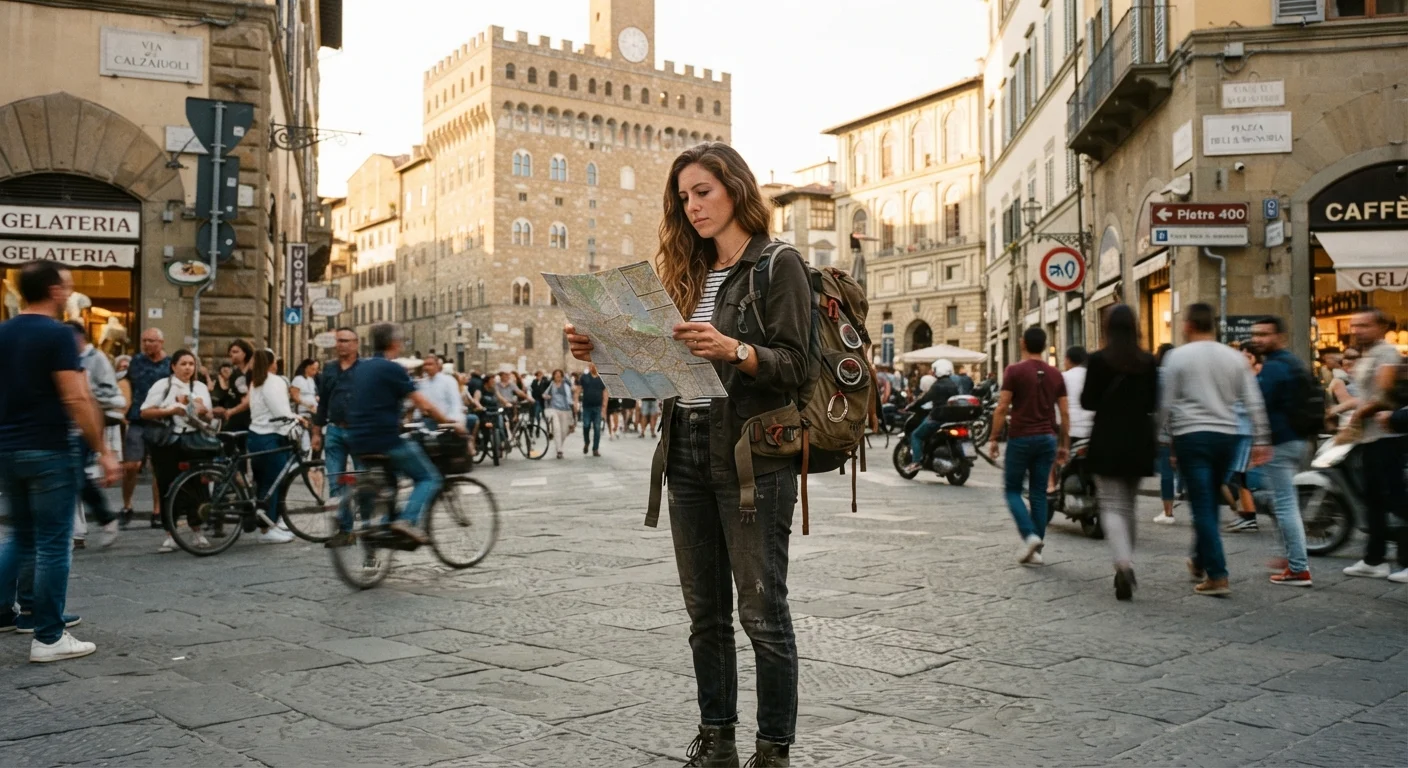
Photo credit: ResultsPoint.net | Find The Required Information
In this article
Traveling alone comes with distinct safety considerations. This guide breaks down what solo travelers face and how to stay prepared.
Key Takeaways
- Solo travelers lack a built-in safety net, making proactive planning more critical than for group trips.
- Sharing your itinerary with a trusted contact at home is one of the simplest high-impact safety habits.
- Situational awareness — not paranoia — is the core skill that protects solo travelers most consistently.
- Digital security, including secure Wi-Fi practices, is a commonly overlooked solo travel vulnerability.
- Accommodation and transport choices significantly affect your exposure to risk as a solo traveler.
- Always verify entry requirements, health advisories, and local laws through official government sources before departure.
Why Solo Travel Carries Distinct Risks
Traveling alone is fundamentally different from traveling with a companion — not because the world is more dangerous, but because you have no built-in backup. When something goes wrong, there is no one beside you to help de-escalate a confrontation, flag that you left your bag behind, or get help if you fall ill. That absence of redundancy is the defining safety challenge of solo travel.
Group travelers benefit from shared observation, distributed decision-making, and mutual accountability. Solo travelers must build those functions into their own habits and systems. This isn't cause for alarm — millions of people travel alone safely every year — but it does mean that preparation matters more. For a broader foundation of travel safety knowledge, see our beginner's travel safety guide before you depart.
~25%
Solo travelers among all leisure travelers
Industry surveys consistently show solo travel represents a substantial and growing share of all leisure trips taken globally.
#1
Most reported crime against tourists: theft
Pickpocketing and opportunistic theft remain the most frequently reported crimes affecting international tourists, according to travel safety organizations.
2x
Higher risk of isolation during medical emergencies
Solo travelers have no companion to assist during a health crisis, making advance medical preparation roughly twice as consequential as for paired travelers.
Personal Security: Staying Alert Without Staying Anxious
Situational awareness is the most valuable skill a solo traveler can develop. It means knowing who and what is around you — not obsessively, but consistently. Avoid walking with headphones in both ears in unfamiliar areas. Keep your phone in a pocket rather than in hand when navigating crowded spaces. Learn where the nearest exit, police station, or hospital is when you arrive somewhere new.
Pickpocketing and opportunistic theft are the most common crimes against tourists worldwide. Use a money belt or hidden pouch for passports and cards. Carry only what you need for the day and leave valuables secured at your accommodation. Appearing confident and purposeful — even when you are uncertain — reduces how often you are singled out.
Before you arrive anywhere new, spend five minutes studying a neighborhood map and identifying two or three landmarks you can use to orient yourself quickly — this dramatically reduces the fumbling-with-your-phone behavior that marks you as lost and vulnerable.
Appearing disoriented in an unfamiliar area increases the likelihood of being approached by scammers or opportunistic thieves. Preparation replaces hesitation.
Set a daily check-in alarm on your phone — not just to remind yourself to contact someone at home, but to pause and assess whether anything about your current environment or plans feels off.
Solo travelers can get caught up in momentum and skip reflective pauses that a travel companion would naturally prompt. A structured check-in creates that pause deliberately.
For more on how domestic and international destinations compare in terms of security landscape, the article domestic vs. international travel safety offers a useful side-by-side perspective.
Digital Safety and Communication Essentials
Solo travelers depend heavily on their devices for navigation, translation, banking, and communication — which makes those devices high-value targets and critical vulnerabilities. Avoid accessing sensitive accounts (banking, email) on public Wi-Fi without a VPN (virtual private network, a tool that encrypts your internet connection). Enable two-factor authentication on all important accounts before you leave home.
Share your itinerary — accommodation names, addresses, and rough daily plans — with at least one trusted contact at home. Agree on a regular check-in schedule so that a missed update triggers concern rather than being overlooked. Download offline maps for your destinations before you travel; internet access is not always reliable abroad. Our online safety hub covers practical steps for protecting your privacy and accounts while on the road.
Don't Announce Your Solo Status Publicly
Avoid mentioning on social media in real time that you are traveling alone, or sharing your exact location and accommodation details publicly while still at a destination. This information can be exploited. Save your travel updates for after you have moved on or returned home.
Accommodation and Transportation Choices
Where you sleep and how you move around shape your daily risk exposure significantly. When evaluating accommodation, prioritize properties with secure entry, in-room locks that function properly, and staff available around the clock. Request rooms above the ground floor but below the sixth — accessible enough for emergency exits, less accessible for break-ins. Review the neighborhood's safety reputation using recent traveler accounts on non-commercial platforms rather than relying solely on marketing copy.
For transportation, use licensed taxis or established ride-hailing apps rather than accepting unsolicited rides. On overnight trains or buses, keep your bag secured to yourself or your seat. If you are renting a vehicle, understand local driving laws before getting behind the wheel. For a deeper look at how logistics shift when you're planning solo versus with others, solo travel planning versus group trip coordination is worth reading.
Photograph Your Accommodation's Address
As soon as you check in, take a photo of the hotel's business card or address in the local language. If you get lost or need to communicate your destination to a driver who doesn't speak English, showing them the photo removes the guesswork and reduces the risk of miscommunication.
Health Preparedness for Solo Travelers
When a solo traveler gets sick or injured, there is no companion to advocate for them, manage their belongings, or contact emergency services. This makes health preparation more consequential. Before travel, visit a travel medicine clinic or your primary care provider to discuss destination-specific health risks, recommended vaccinations, and any prescription medications you may need. Always carry a basic first-aid kit and any personal medications in your carry-on luggage.
Understand how to access medical care at your destination. Research whether your health insurance covers international emergencies or whether travel health insurance is worth considering — consult a qualified insurance professional to evaluate your specific situation. Keep emergency contact numbers, your blood type, and a list of any allergies written down in both digital and paper form. For high-risk destinations, additional preparation may be warranted; the article traveling to high-risk destinations addresses what that decision honestly involves.
Verify Health and Entry Requirements Before You Go
Vaccination requirements, visa rules, and health advisories can change with little notice. Do not rely on travel blogs or third-party sites as your final source. Always confirm current requirements directly through your government's official travel advisory website and the destination country's embassy or consulate before departure.
This article provides general travel safety information for educational purposes. It is not a substitute for professional medical, legal, or security advice. Always verify entry requirements, health advisories, and local regulations with official government sources before traveling.
Building Your Solo Safety Routine
Safety habits work best when they become routine rather than reactive. Before each trip, complete a pre-departure checklist: register with your country's embassy or consulate if traveling internationally, back up your devices, and photograph your passport and travel documents (store copies separately from the originals). Review the habits experienced travelers rely on to fill any gaps in your routine.
During your trip, do a brief mental inventory each time you leave an accommodation or transportation hub: documents, cards, phone, keys. Trust your instincts — if a situation or location feels wrong, leave without needing to justify it to anyone. Connect with other travelers in common spaces when it feels right, but avoid sharing your precise accommodation details or solo status with strangers. The goal is not to eliminate all risk but to reduce unnecessary exposure while still fully experiencing your destination.
“The single most important thing a solo traveler can do is to stay curious without becoming complacent — the moment you assume you know how a place works is often the moment you stop paying attention.”
— Travel Safety Research Consortium, International traveler safety education organization
U.S. Department of State Travel Advisories
Official government source for destination-specific travel advisories, entry requirements, and emergency contact information for U.S. citizens abroad.
Smart Traveler Enrollment Program (STEP)
A free service allowing U.S. travelers to register their trip with the nearest embassy or consulate, making it easier to receive alerts and assistance in an emergency.
CDC Travelers' Health
Destination-specific health information, vaccine recommendations, and disease outbreak notices maintained by the U.S. Centers for Disease Control and Prevention.
Solo Travel Planning Checklist
A structured pre-departure checklist covering documents, digital security, health prep, and communication plans for solo travelers.

Author
Travel Editorial Team
Travel Editorial Team is the collective byline for our editorial team and contributor network. Articles published under this byline or an editorial pen name are researched, written, and reviewed according to our editorial standards for clarity, consistency, and independence before publication.
View all articles →