
Traveling With Children: Safety Considerations That Deserve Extra Attention
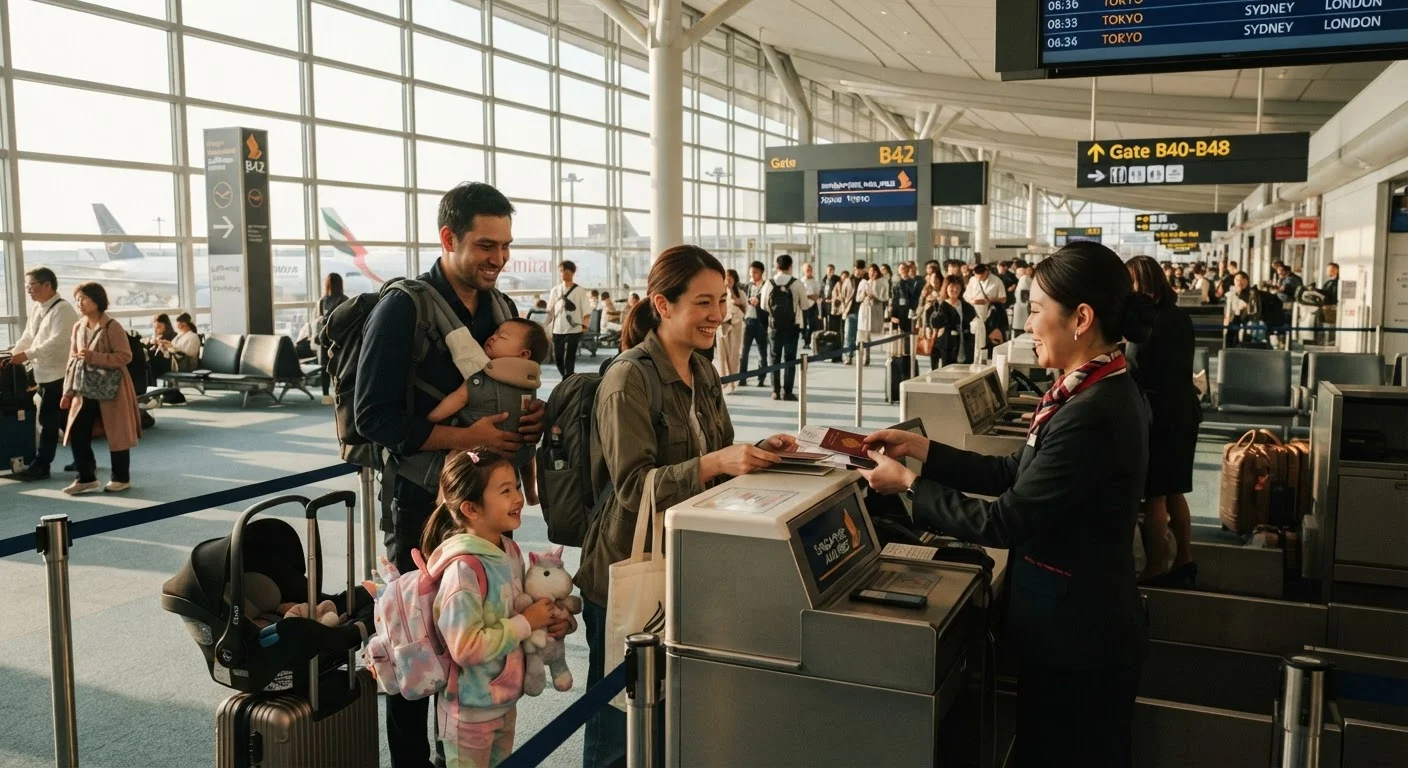
Photo credit: ResultsPoint.net | Find The Required Information
In this article
Family travel adds layers of safety planning. From medical prep to crowd management, here's what parents should think through in advance.
Key Takeaways
- Children need destination-specific medical prep, including vaccines and prescription documentation, before travel.
- Every child should carry identification and know a family emergency contact protocol.
- Crowd management strategies reduce the risk of separation in busy transit hubs and tourist sites.
- Car seat and restraint rules vary by country — verify requirements before you arrive.
- A written family emergency plan makes stressful situations easier to navigate.
Why Family Travel Demands a Different Safety Mindset
Traveling with children introduces safety variables that simply don't apply to adult-only trips. Kids communicate differently in emergencies, tire faster, are more vulnerable to heat and illness, and can't be expected to self-manage in crowded or unfamiliar environments. The good news: most risks are manageable with deliberate preparation.
This checklist is designed to help parents and caregivers audit their family's readiness before departure — covering everything from medical documentation to crowd protocols. Use it alongside broader travel safety guidance, such as our experienced traveler safety habits and trip planning resources, to build a complete picture.
Medical Prep Is Time-Sensitive
Some destination-specific vaccines require multiple doses spread over several weeks to be effective. Waiting until the week before departure may leave your child unprotected. Book a pre-travel pediatric consultation as early as possible — ideally 4–6 weeks before departure — and bring a list of your destination(s) so the provider can give tailored guidance.
Tools and Resources to Have Ready
Before working through the checklist, gather the following items. Having them on hand speeds up every step.
Physical document folder
Store passport copies, medical documentation, insurance cards, and emergency contacts in one accessible place.
Child-appropriate first aid kit
Address common pediatric travel issues — fever, minor injuries, upset stomach — without relying on local pharmacy availability.
Offline maps app
Navigate to medical facilities or meeting points without requiring cellular data abroad.
Waterproof ID wristbands
Display a parent's contact number on a young child's wrist in a format that survives pool visits and rainstorms.
Travel health insurance documents
Confirm pediatric coverage details and emergency contact lines are accessible offline during the trip.
Portable phone charger
Keep your primary communication device powered during long travel days when outlets are unavailable.
The Family Travel Safety Checklist
Work through each group below before and during your trip. Items marked must are non-negotiable for most families; should items are strongly recommended; nice to have items add an extra layer of preparedness.
Medical and Health Preparation
Identification and Documentation
Separation and Emergency Protocols
Transportation and Physical Safety
Accommodation Safety
Car Seat Rules Differ Internationally
The United States has specific federal car seat standards, but many countries have different — and sometimes less stringent — regulations. Never assume a rental vehicle will come equipped with an appropriate seat, and verify in advance whether your own seat meets local requirements. When in doubt, contact the rental provider and your destination's road safety authority before you travel.
Staying Safe in Airports, Transit Hubs, and Crowds
Airports and busy transit points concentrate stress, distraction, and separation risk. Before entering any crowded space, run a quick verbal drill with your children: confirm the meeting point, show them your phone number written on a card or on their wrist, and establish what to do if they can't find you. Our airport and transit safety guide covers additional risks that apply to all travelers.
For international travel specifically, the safety landscape shifts in ways that affect families disproportionately. Unfamiliar emergency numbers, language barriers, and different child restraint laws in vehicles all require pre-trip research. Review how domestic and international travel risks compare to set appropriate expectations for your destination.
This article is for general informational purposes only and is not a substitute for professional medical, legal, or safety advice. Always consult a qualified healthcare provider about vaccinations and health preparations specific to your family's needs, and verify entry, legal, and safety requirements with official government sources before traveling.

Author
Travel Editorial Team
Travel Editorial Team is the collective byline for our editorial team and contributor network. Articles published under this byline or an editorial pen name are researched, written, and reviewed according to our editorial standards for clarity, consistency, and independence before publication.
View all articles →