
Travel Budget Basics: Where Your Money Actually Goes on a Trip
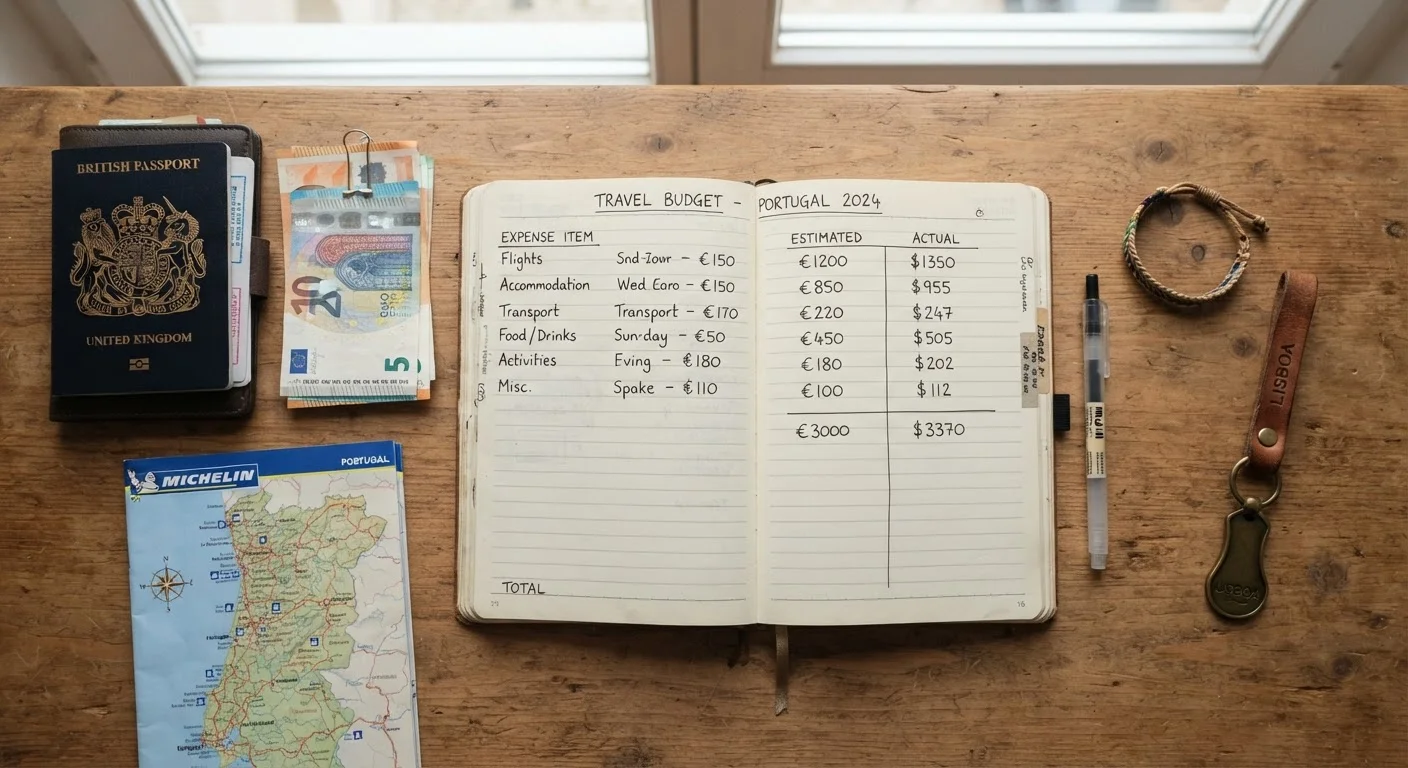
Photo credit: ResultsPoint.net | Find The Required Information
In this article
A clear breakdown of the cost categories every traveler should account for—from transportation and lodging to meals, fees, and buffer funds.
Key Takeaways
- Transportation, lodging, food, and activities form the four pillars of any travel budget.
- Many travelers underestimate food, local transport, and incidental costs by a wide margin.
- A buffer fund of 10–15% of your total estimated cost helps absorb unexpected expenses.
- Fees like baggage charges, resort fees, and currency conversion can significantly inflate costs.
- Separating pre-trip costs from on-trip costs helps you see your full financial picture.
Why Most Travel Budgets Fall Short
The most common travel budgeting mistake isn't overspending on one big item — it's failing to account for all the categories where money actually flows. Travelers often plan carefully for flights and hotels, then discover on the ground that food, local transit, tips, and small fees add up faster than expected.
A solid budget isn't just a spending limit. It's a map of where your money is likely to go, built before you leave. That map lets you make informed trade-offs — spend more on experiences, less on meals, or vice versa — instead of running blind.
If you're still deciding how to frame your overall finances before diving into categories, the guide on fixed budget vs. flexible budget planning walks through two foundational approaches side by side.
The Core Cost Categories
Every trip, regardless of destination or duration, involves spending across four primary categories:
Fixed travel costs
Expenses you pay once regardless of trip length, such as flights and travel insurance. These costs don't change if you stay an extra day.
Variable travel costs
Expenses that increase with each additional day of travel, like meals, lodging, and local transportation.
Contingency buffer
A reserved portion of your total budget — typically 10–15% — held back specifically for unexpected expenses that arise during a trip.
Resort fee
A mandatory daily charge added by some hotels on top of the room rate, often covering amenities like Wi-Fi or pool access whether or not you use them.
Per diem
A daily spending allowance. Travelers sometimes use a per diem figure to track and control food and incidental expenses each day of a trip.
- Transportation: This includes getting to your destination (flights, train tickets, gas) and getting around once you're there (rental cars, rideshares, subway passes, airport transfers). Local transportation is frequently underestimated.
- Lodging: Hotel rooms, vacation rentals, hostels, or campsite fees. Factor in the number of nights — not just per-night rate — and check whether taxes and fees are included in the quoted price.
- Food and drink: Meals, snacks, coffee, alcohol, and groceries if you're self-catering. This category often surprises travelers because it occurs multiple times every day.
- Activities and entertainment: Entrance fees, tours, excursions, tickets to events or attractions. Some experiences cost nothing; others can rival the price of a night's lodging.
Mapping your expected spending across these four before anything else gives you a realistic foundation to build from.
Hidden and Easy-to-Miss Expenses
Beyond the four core categories, several cost types reliably catch travelers off guard:
Don't Rely on Quoted Prices Alone
Advertised rates for flights, hotels, and tours often exclude taxes, service fees, and surcharges that can add 15–30% or more to the final cost. Always look for the total price — with all fees included — before building your estimates. Booking with just the headline rate in mind is one of the fastest ways to blow a travel budget.
- Baggage fees: Checked bag charges, overweight fees, and carry-on restrictions on budget carriers can meaningfully increase your air travel cost. Check baggage policies before booking, not after.
- Resort or amenity fees: Some hotels charge mandatory daily fees on top of the room rate for amenities like Wi-Fi, gym access, or pool use — even if you don't use them.
- Currency conversion and ATM fees: Using your card abroad or withdrawing foreign currency often triggers fees from both your bank and the local institution. These small amounts accumulate across a trip.
- Tips and gratuities: In the United States and many other destinations, tipping is expected for restaurant service, taxis, housekeeping, and tour guides. Failing to budget for this creates awkward gaps.
- Visa and entry fees: Some destinations require paid visas or tourist entry fees. Always verify current requirements with official government sources before departure.
- Pre-trip purchases: Travel-size toiletries, new luggage, gear, and medications bought in preparation for a trip are real trip costs even though they happen at home. Our related overview on travel gear for different trip types can help you anticipate what you'll need.
For a broader look at how irregular costs derail plans, see the guide on spending categories most budgets forget.
Building in a Buffer
No matter how carefully you plan, real trips produce unexpected costs — a delayed flight that requires an extra meal, a medical co-pay for a minor illness, or a spur-of-the-moment experience worth paying for. A contingency buffer accounts for this reality.
Track Your Buffer Separately
Open a dedicated section in your budget spreadsheet or app just for the contingency fund. Label it clearly and don't count it as general spending money. This visual separation makes it easier to leave it untouched and to see at a glance how much of your safety net remains as the trip progresses.
A general guideline is to set aside 10–15% of your total estimated cost as a buffer. This is not spending money — it should stay untouched unless something unexpected arises. Travelers visiting unfamiliar destinations or planning complex multi-leg itineraries may want to reserve closer to 20%.
Treat the buffer as a separate line in your budget, not a vague mental note. Knowing it's there reduces the anxiety of minor surprises and helps you avoid making poor decisions — like skipping needed medication or a safe transportation option — just to stay within your original figure.
Putting Your Budget Together
Once you understand the categories, building your budget is straightforward:
- List every cost category relevant to your specific trip — including pre-trip purchases, fees, and the buffer.
- Estimate each one using research: airline websites for baggage policies, accommodation listings with taxes displayed, and destination travel guides for daily food and activity costs.
- Split costs by timing — separate what you'll pay before you leave (flights, lodging deposits, travel insurance) from what you'll spend on the ground. This helps with cash flow planning.
- Total everything and compare it to your actual available funds before committing. If the gap is large, decide which categories to adjust rather than hoping it evens out.
For foundational money management principles that apply beyond travel, the complete guide to personal budgeting offers a comprehensive framework. And if you're weighing whether a short getaway or an extended trip fits your budget better, the comparison in short trips vs. long trips is worth a read before you decide.
Budgeting for travel isn't about restricting yourself — it's about knowing the full picture so you can enjoy the trip without financial stress on your return.
Frequently Asked Questions

Author
Travel Editorial Team
Travel Editorial Team is the collective byline for our editorial team and contributor network. Articles published under this byline or an editorial pen name are researched, written, and reviewed according to our editorial standards for clarity, consistency, and independence before publication.
View all articles →