
Travel Gear for Every Trip Type: A Practical Overview
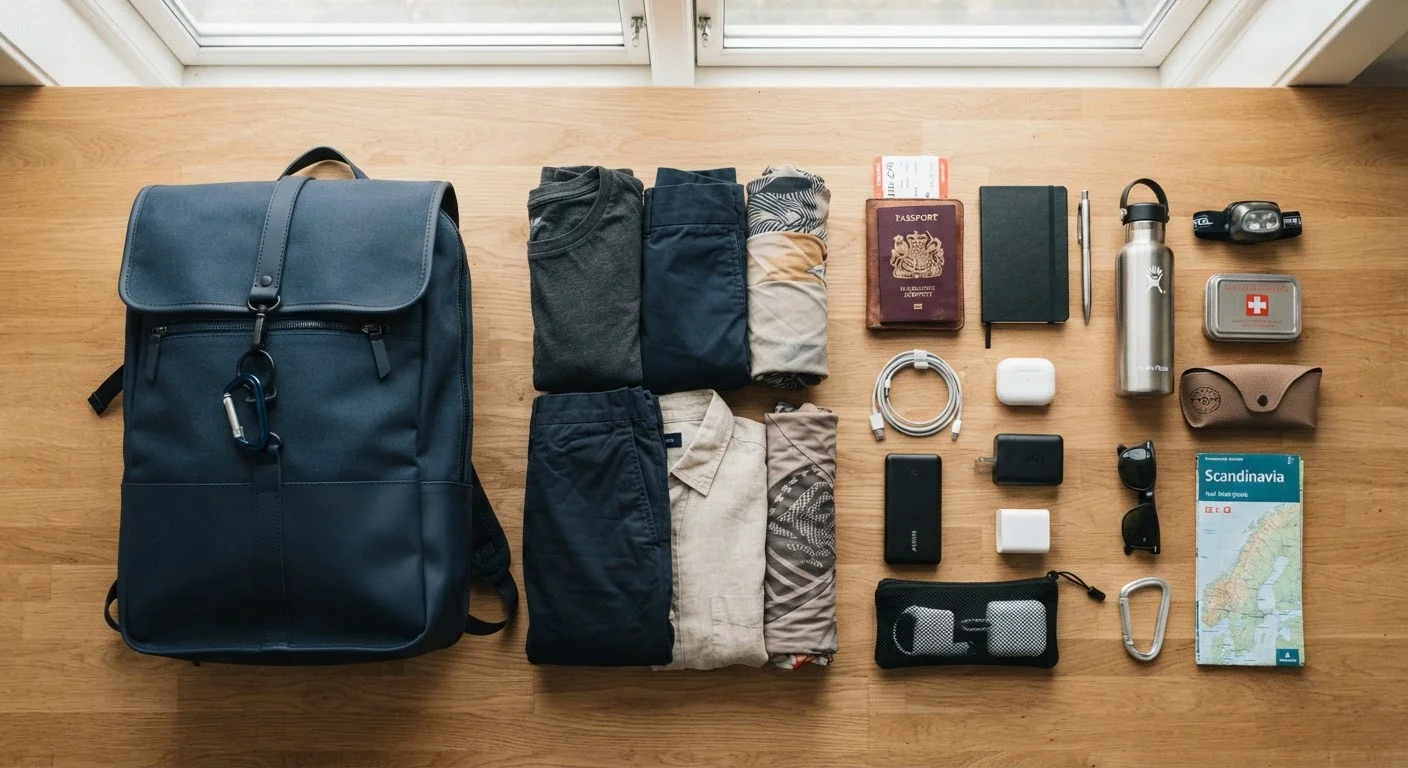
Photo credit: ResultsPoint.net | Find The Required Information
In this article
From beach vacations to business travel to backcountry hikes, gear needs vary widely. Here's how to match your kit to your journey.
Key Takeaways
- Matching your gear to your trip type prevents overpacking and under-preparation.
- Outdoor and backcountry trips require the most specialized, safety-critical equipment.
- A small set of universal essentials works across nearly every trip type.
- Business travelers benefit from a streamlined, carry-on-only approach whenever possible.
- Cold-weather trips demand layering strategy more than raw volume of clothing.
Why Trip Type Drives Gear Decisions
Packing mistakes rarely come from forgetting individual items — they come from misreading what the trip actually demands. A beach bag and a backcountry pack are both travel gear, but they serve completely different purposes, environments, and risk profiles.
Before you pull out a single piece of luggage, ask three questions: What is the primary activity? What conditions will I face? How long will I be away? Those answers shape every gear decision that follows. For a deeper look at how duration alone changes what you should pack, see our guide on gear differences between a weekend trip and a two-week journey.
50%
Travelers who report overpacking regularly
Surveys by luggage and travel industry groups consistently find that a majority of travelers pack more than they actually use on a trip.
1 in 3
Checked bags delayed or mishandled annually
U.S. Department of Transportation data shows millions of checked bags are mishandled each year, reinforcing the case for carry-on-only travel when feasible.
Beach and Warm-Weather Vacations
Warm-weather packing is often simpler in theory but prone to bloat in practice. The goal is lightweight, quick-dry clothing that does double duty — a linen shirt that works at dinner and a beach cover-up that handles an afternoon walk.
- Luggage: A medium duffel or soft-sided carry-on is usually enough for one to two weeks in a warm destination.
- Clothing: Prioritize fabrics that dry fast and resist wrinkles. Two or three swimsuits, two pairs of shorts, a few shirts, and one light layer for air-conditioned spaces covers most trips.
- Sun and skin protection: Pack reef-safe sunscreen, UV-blocking sunglasses, and a wide-brim hat. These aren't optional — sun exposure at tropical latitudes is significantly more intense than at home.
- Footwear: One pair of water sandals and one versatile pair for walking or dining is usually sufficient.
Double-Duty Packing Saves Significant Space
Choose items that serve two purposes — a sarong works as a beach wrap, light blanket, or modesty cover in religious sites. Prioritizing versatility over specialization is the single biggest space-saver for warm-weather trips.
Outdoor and Backcountry Adventures
No trip type demands more careful gear selection than backcountry hiking, camping, or multi-day wilderness travel. Here, gear is not just about comfort — it directly affects safety.
- Pack: A 40–65 liter hiking pack with a proper hip-belt load transfer is the standard for overnight trips.
- Shelter and sleep: A three-season tent, a sleeping bag rated for the expected low temperatures, and a sleeping pad are the core system.
- Navigation: Carry a detailed paper map and compass in addition to any GPS device. Electronics fail; paper does not.
- First aid and emergency: A wilderness first-aid kit, a signaling device, and knowledge of how to use both are non-negotiable.
- Clothing system: Dress in moisture-wicking base layers, insulating mid-layers, and a waterproof shell — the layering principle is essential in variable mountain or forest conditions.
If you're planning your first outdoor adventure, starting with a structured pre-trip packing checklist helps ensure nothing safety-critical is overlooked.
Before any overnight backcountry trip, test your shelter and sleep system in your backyard or a local campsite. You want to discover fit or function problems before you're three miles from the trailhead.
Gear failures are far more common among travelers who pack items they've never used outside a store — field-testing eliminates the most common and preventable problems.
Always pack your most critical items — medications, travel documents, a change of clothing, and your tech kit — in your carry-on, regardless of trip type.
Even when checking luggage, keeping essentials accessible protects you if a bag is delayed, lost, or misdirected, which remains a common occurrence on multi-leg itineraries.
Business and City Travel
Business travel rewards minimalism. The less you carry, the faster you move through airports, the less you check, and the less that can go wrong. A well-organized carry-on and a personal item — like a slim laptop bag — handle the vast majority of short-to-medium business trips.
- Clothing strategy: Pack around a single neutral color palette so pieces mix and match. Two dress shirts, one pair of dress pants, a blazer, and one casual outfit covers a three-to-four-day trip.
- Tech kit: A universal power adapter, portable battery pack, laptop, and earbuds are the core. Keep cables organized in a small pouch.
- Documents: Store digital and printed copies of your itinerary, hotel confirmations, and any required business materials. For a full breakdown of what belongs in your transit bag, see the anatomy of a travel day kit.
Protect Your Electronics During Business Travel
Business travelers are frequent targets of opportunistic theft in airports and hotels because laptops and devices are visibly valuable. Keep tech items in a bag that stays with you at all times, and never leave electronics unattended in checked luggage. Consider a TSA-approved cable lock for securing bags to fixed objects in shared spaces.
Cold-Weather and Winter Trips
Cold-weather packing challenges even experienced travelers because bulky insulation takes up space fast. The solution is not to pack more — it is to pack smarter using a layering system that adapts to changing conditions throughout the day.
- Base layer: Merino wool or synthetic moisture-wicking fabric worn directly against skin. Merino resists odor well, which matters when you're wearing the same layer for multiple days.
- Mid-layer: A fleece jacket or down vest provides the bulk of insulation. Down is warmer by weight but loses effectiveness when wet; synthetic insulation retains warmth better in damp conditions.
- Outer shell: A waterproof, windproof jacket is essential. Look for sealed seams and adjustable cuffs and hem.
- Accessories: Thermal hat, gloves or mittens, and moisture-wicking wool socks. These take up little space but have an outsized impact on warmth.
For detailed guidance on fitting all of this into a manageable bag, see our article on packing smart for cold-weather travel.
Cross-Trip Essentials That Always Travel With You
Regardless of trip type, a small core kit travels with you every time. These items handle the unexpected, satisfy documentation requirements, and make every journey smoother.
- Documents: Passport (and visa if required), government-issued ID, travel insurance confirmation, and emergency contact cards. Always verify entry requirements with official government sources before departure — rules change.
- Health basics: A small first-aid kit, any prescription medications in their original labeled containers, and over-the-counter remedies for common travel ailments. Consult your healthcare provider before traveling internationally about any destination-specific health precautions.
- Money and communication: A mix of local currency for your destination, a backup payment method, and a charged mobile device with key contacts saved offline.
- Comfort and safety items: A travel lock, a reusable water bottle, a small flashlight or headlamp, and a portable battery pack.
If you're still narrowing down what to bring, the first-time traveler's guide to packing light offers a practical framework for making those final cuts. And for help structuring your overall trip from the ground up, our complete trip-planning resource walks through every stage of the process.

Author
Travel Editorial Team
Travel Editorial Team is the collective byline for our editorial team and contributor network. Articles published under this byline or an editorial pen name are researched, written, and reviewed according to our editorial standards for clarity, consistency, and independence before publication.
View all articles →