
First-Time Traveler's Introduction to Packing Light
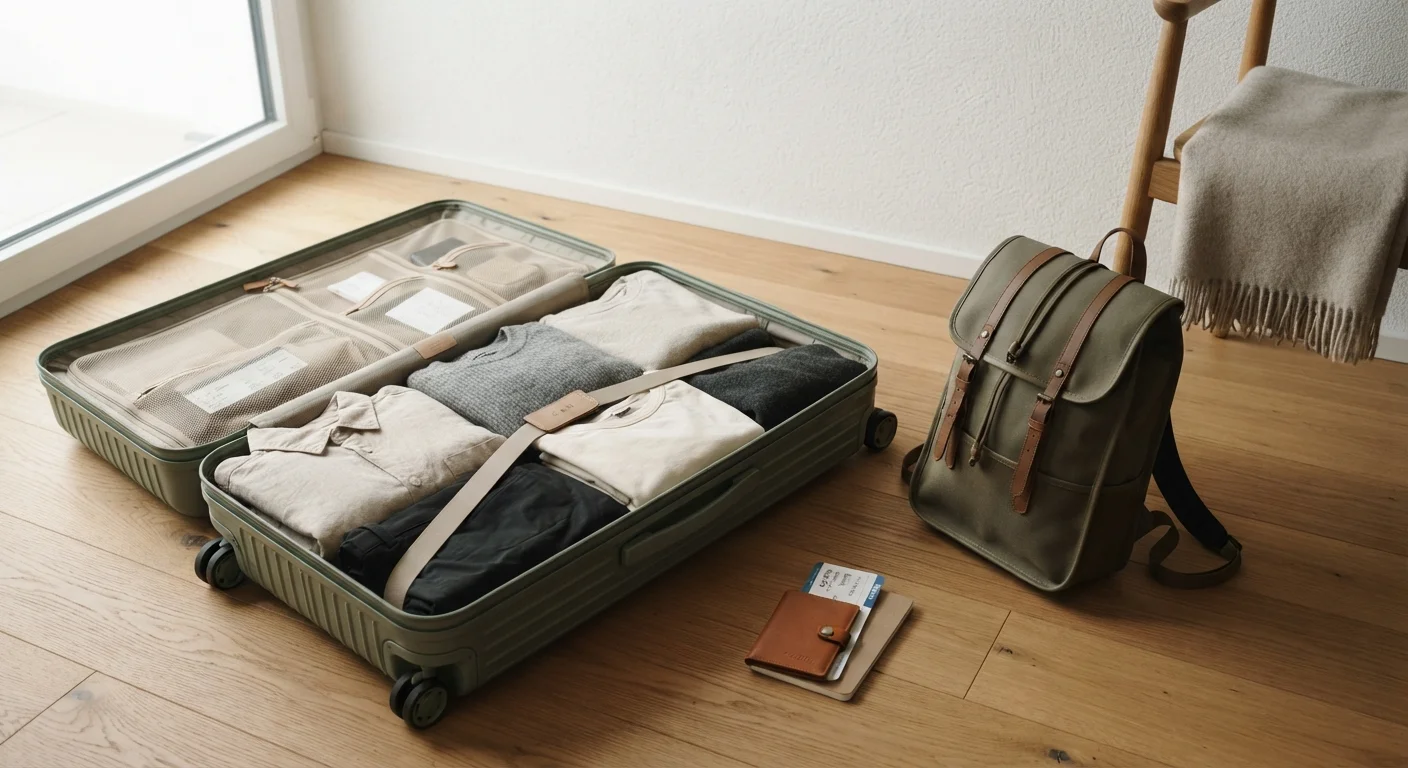
Photo credit: ResultsPoint.net | Find The Required Information
In this article
Never packed for a trip before? This guide explains how to decide what to bring, how to fit it all in, and why lighter is almost always better.
Key Takeaways
- Packing light reduces stress, saves money on baggage fees, and gives you more freedom to move.
- The key question for every item is whether you genuinely need it — not whether you might use it.
- A structured packing list built around your itinerary prevents both overpacking and forgetting essentials.
- How you organize your bag matters almost as much as what goes in it.
- Most first-time packing mistakes are predictable and easy to avoid once you know what to watch for.
Why Packing Light Matters
Overpacking is one of the most common travel mistakes — and one of the costliest. Beyond checked baggage fees, a heavy bag slows you down at airports, strains your back on cobblestone streets, and limits where you can spontaneously go. The reasons luggage gets too heavy are predictable: emotional packing, worst-case-scenario thinking, and underestimating how little you actually use on a trip.
Packing light isn't about deprivation. It's about carrying exactly what you need and nothing more — which, for most trips, is far less than you'd guess. Travelers who pack light board planes faster, skip baggage claim, and arrive at their destination with energy to spare. That freedom is worth the upfront discipline of editing your bag.
Pack a test run before the real trip
A day or two before you travel, fully pack your bag and carry it around the house or on a short errand. If it feels uncomfortable or you struggle with stairs, that's useful information — not something to discover at the airport. This also reveals items that don't fit or that you've overpacked without realizing it.
The Core Principle: Need vs. Want
Every item you consider packing deserves one direct question: Do I need this, or do I just want it available? Needs are things that would genuinely disrupt your trip if missing — medications, a passport, a weather-appropriate layer. Wants are items that feel reassuring to have but rarely get used.
A useful exercise is to list everything you're considering, then cut it by one-third before you start loading the bag. Most travelers find this edit reveals items they'd forgotten they'd added. For longer or more specialized trips, the gear differences between a weekend trip and a two-week journey help clarify where the real trade-offs lie.
Carry-on
A bag small enough to fit in the overhead bin of a plane. Carry-ons avoid checked baggage fees and are retrieved immediately on landing.
3-1-1 Rule
A TSA security rule requiring liquids in carry-on bags to be in containers of 3.4 oz or less, all placed in one quart-sized clear zip-top bag.
Packing cubes
Small zippered fabric containers used to organize and compress clothing inside a larger bag, making it easier to find items without unpacking everything.
Capsule wardrobe
A small, coordinated set of clothing items in complementary colors that can be mixed and matched to create multiple outfits from fewer pieces.
Checked luggage
A bag handed to the airline at check-in that travels in the cargo hold. Usually larger than carry-ons but subject to fees and retrieval delays.
Day kit
A small pouch or section of your bag containing items you need during transit — things like a phone charger, snacks, and headphones — kept accessible throughout travel.
How to Build Your Packing List
Start with your itinerary, not your closet. What activities are planned? What's the climate? Are there dress codes or cultural considerations? Answers to these questions determine your actual clothing range — not a vague sense of what might come in handy.
A reliable structure for most trips:
- Clothing: Build around a neutral color palette so items mix and match. Plan for re-wearing bottoms and layering tops.
- Documents and essentials: Passport, ID, travel insurance details, and any required visas. Keep these in a consistent, accessible spot every trip.
- Toiletries: If flying carry-on, be aware of TSA liquid rules — our breakdown of the 3-1-1 rule explains exactly what's allowed.
- Tech and cables: Only bring chargers and adapters you'll realistically use daily.
For a complete starting point, the pre-trip packing checklist covers every category across trip types.
Fitting It All In: Organization Basics
How you pack affects how much fits. Rolling soft clothing instead of folding it typically saves space and reduces wrinkles. Shoes should be packed heel-to-toe along the bottom or sides of the bag, with socks tucked inside them. Heavier items go closest to your back in a backpack, or at the wheeled base of a suitcase, for better weight distribution.
If you're deciding between a carry-on and a checked bag, the carry-on vs. checked luggage trade-offs are worth understanding before you commit to a bag size. And if you want to go further, the one-bag travel method takes light packing to its logical extreme — one pack for everything, no exceptions.
Laundry changes the math on clothing
If your destination has laundry access — whether a hotel service, a laundromat, or a sink for hand-washing — you can pack significantly fewer clothing items. Planning even one laundry session during a week-long trip can cut your clothing load nearly in half. Factor this in before deciding you need seven shirts.
Common First-Timer Mistakes to Avoid
First-time travelers tend to make the same packing errors. Recognizing them early saves significant hassle:
- Packing for worst-case scenarios. Most contingencies — forgotten toiletries, a sudden cold snap — can be handled by buying something locally. Don't pack a bag around unlikely events.
- Ignoring airline size and weight limits. Each airline sets its own carry-on dimensions and weight caps. Check before you pack, not at the gate.
- Forgetting the day-kit. Items you need during transit — headphones, snacks, a charger — should be immediately accessible, not buried in your main bag. Our guide to a travel day kit covers exactly what belongs within easy reach.
- Overpacking shoes. Shoes are heavy and bulky. Two pairs handle most trips: one for walking, one for evenings or specific activities.
For more context on gear decisions by trip type, see the practical overview of travel gear — it helps match your kit to your actual journey rather than a generic checklist.
Don't Skip Checking Airline Restrictions
Airline carry-on size and weight rules vary — and enforcement varies too, but the consequences of an oversized bag at the gate can include forced checking fees that cost more than a checked bag booked in advance. Always verify your specific airline's current policies before you leave home, especially on budget or international carriers.
Frequently Asked Questions

Author
Travel Editorial Team
Travel Editorial Team is the collective byline for our editorial team and contributor network. Articles published under this byline or an editorial pen name are researched, written, and reviewed according to our editorial standards for clarity, consistency, and independence before publication.
View all articles →