
The Anatomy of a Travel Day Kit
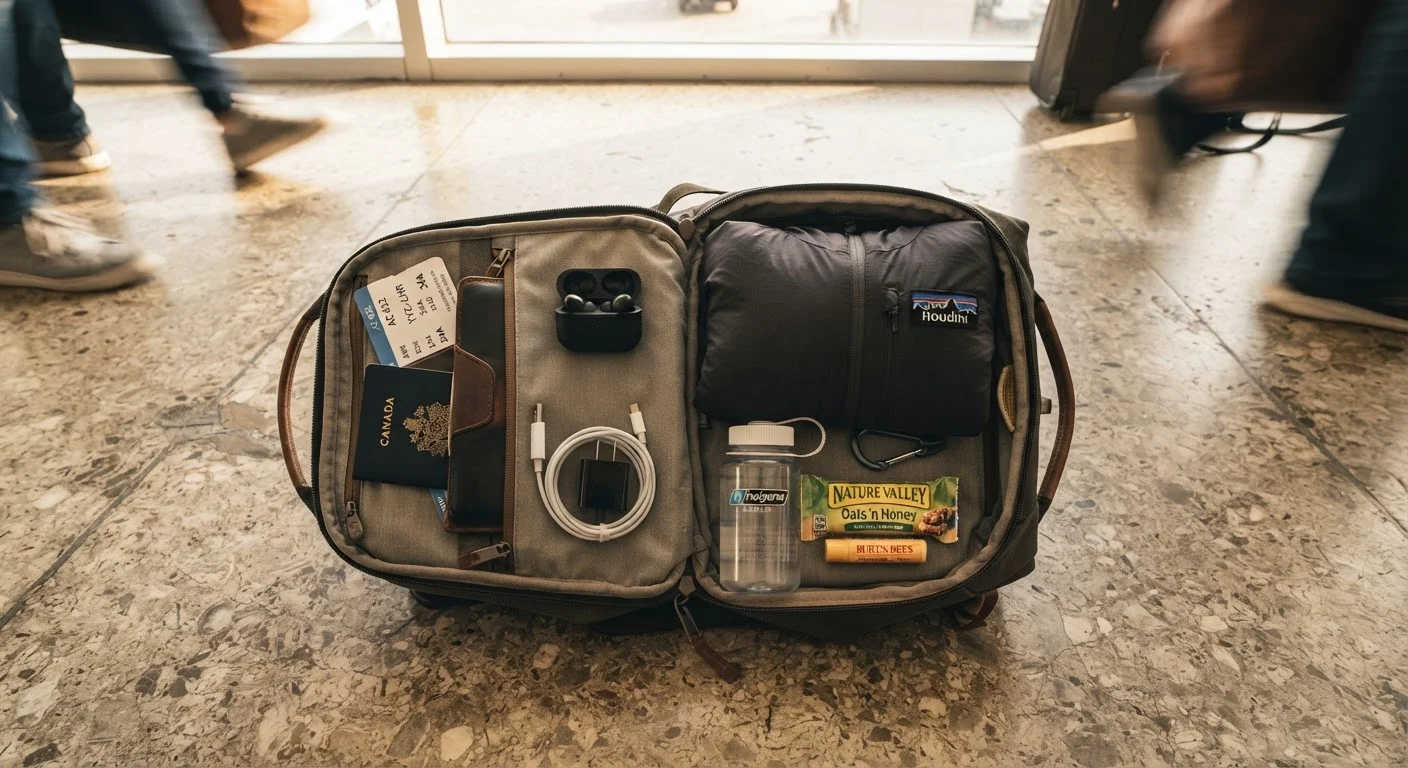
Photo credit: ResultsPoint.net | Find The Required Information
What goes in the bag you keep accessible during transit? A practical breakdown of the items experienced travelers keep within easy reach.
What Is a Travel Day Kit?
A travel day kit is the small bag — or dedicated pocket inside a larger bag — that stays within arm's reach during every leg of your journey. It's not your full luggage. It's the curated collection of items you'll need before your checked bag hits the carousel, before you reach your hotel room, or during a four-hour layover in an unfamiliar terminal.
Think of it as a survival layer for transit itself. Whether you're on a cross-country flight, a long train ride, or a multi-leg road trip, having these items immediately accessible eliminates the need to dig through packed luggage or make expensive impulse purchases at airport shops.
For a broader look at how the day kit fits into your overall packing strategy, see our pre-trip packing checklist — it covers the full picture from clothing to documents.
| Typical day kit size | Small daypack, hip pack, or large tote — fits under the seat in front of you |
| Primary purpose | Immediate access to essentials during transit, without opening main luggage |
| TSA carry-on liquid limit | 3.4 oz (100ml) per container, all containers in one quart-size clear bag (U.S. Transportation Security Administration (TSA)) |
| Most commonly forgotten item | Phone charger or charging cable |
| Ideal bag weight (loaded) | Under 5 lbs — heavy enough to be useful, light enough not to fatigue |
| Works for | Flights, trains, road trips, cruises, and multi-leg itineraries |
The Core Categories
Experienced travelers tend to organize their day kit around five functional zones:
1. Documents and Payment
Keep your passport or ID, boarding passes (digital or printed), travel insurance info, and one payment method — credit card or local cash — in a consistent spot you can reach without unpacking. If you're driving, your registration and insurance card serve the same function; our article on what to keep in your glove box parallels this logic for road travelers.
2. Electronics and Power
Phone charging cable, a portable battery bank, earbuds or headphones, and any adapters relevant to your destination. A dead phone mid-transit creates cascading problems — boarding passes, maps, and communication all depend on it.
3. Comfort and Health Basics
A travel-size lip balm, hand sanitizer, a single-dose pain reliever, any required daily medication, and a small pack of tissues cover the most common in-transit needs. Always consult a healthcare provider about managing medications while traveling, particularly across time zones. Note: carry-on liquids on flights must comply with TSA guidelines — see our breakdown of TSA liquid rules before you pack.
4. Snacks and Hydration
A refillable water bottle (empty through security, filled after) and a compact, non-perishable snack reduce dependency on overpriced terminal food and keep energy steady during delays.
5. Wearable Layer
A light jacket, packable hoodie, or scarf serves double duty: warmth in aggressively air-conditioned cabins and a pillow substitute on overnight legs. This is the one item that often travels on your body rather than in the bag itself.
Travel day kit
A small bag or dedicated pocket containing only the items needed during transit — documents, electronics, comfort basics, and snacks. It stays accessible throughout the journey and is separate from checked or stored luggage.
Carry-on
Luggage small enough to bring into an aircraft cabin, typically stored in the overhead bin. Carry-ons are subject to airline size and weight limits, which vary by carrier and fare class.
3-1-1 rule
The TSA guideline allowing passengers to carry liquids, gels, and aerosols in containers of 3.4 oz or less, packed in one quart-size clear zip-top bag, one bag per passenger.
Portable battery bank
A rechargeable external power source that charges phones and other USB devices on the go. Most airlines permit them in carry-on luggage but not in checked bags due to lithium battery regulations.
Adapting the Kit by Trip Type
The five categories above form a universal baseline, but the specific contents shift depending on your journey. International flights call for a neck wallet or hidden pouch for documents. Business travel adds a device charger and backup pen. Family travel multiplies snacks, adds small entertainment items for kids, and often requires an expanded health pouch.
For a deeper guide on matching gear to journey type, our travel gear overview covers beach trips, backcountry hikes, and everything in between.
One principle holds across all trip types: the day kit should be self-contained. If your checked bag were delayed 24 hours, you should be able to function, communicate, and stay reasonably comfortable using only what's within reach.
Medications in Your Day Kit
Any prescription medication you take daily should travel in your day kit — never in checked luggage. If a bag is delayed or lost, you'll need continued access. Always carry medications in their original labeled containers and bring documentation from your prescribing provider if traveling internationally. Consult your healthcare provider about managing dosing schedules across time zones.
If you're building toward a minimalist packing approach, the day kit concept integrates directly into the one-bag travel method — where a single pack replaces both carry-on and checked luggage, and the day kit becomes a dedicated interior zone rather than a separate bag.

Author
Travel Editorial Team
Travel Editorial Team is the collective byline for our editorial team and contributor network. Articles published under this byline or an editorial pen name are researched, written, and reviewed according to our editorial standards for clarity, consistency, and independence before publication.
View all articles →