
The One-Bag Travel Method, Explained
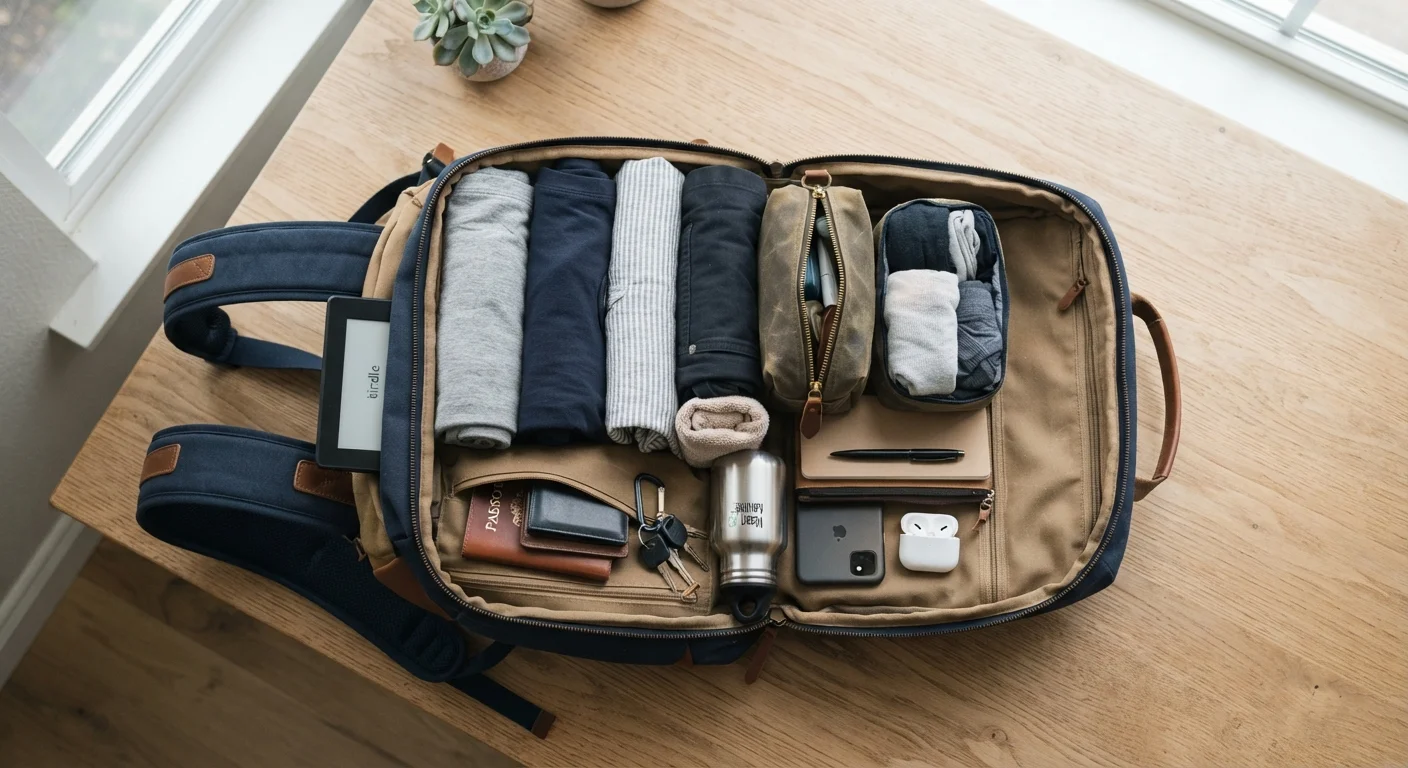
Photo credit: ResultsPoint.net | Find The Required Information
In this article
One-bag travel means flying and moving with a single pack. Here's how the approach works, who it suits, and what it actually requires.
Key Takeaways
- One-bag travel means your entire trip fits in a single carry-on-sized pack — nothing checked, nothing extra.
- The method works best when you choose versatile clothing, use packing cubes, and accept doing laundry mid-trip.
- It suits weekend getaways, business trips, and even longer travel when planned carefully.
- Not every trip is a good candidate — family travel or gear-heavy trips often require more luggage.
- Toiletries, tech, and shoes are the most common points of failure when trying to pack down.
- The discipline required to pack one bag also reduces decision fatigue before and during travel.
What One-Bag Travel Actually Means
The term sounds simple, and in principle it is: you travel with one bag. But the method has more structure than it appears. One-bag travel isn't just about packing light — it's about packing deliberately, so that every item earns its space by serving more than one purpose.
Most practitioners use a single backpack or duffel that fits overhead or under the seat in front of them. This means no checked bag fees, no waiting at baggage claim, and no risk of lost luggage. You board and you go.
The approach contrasts sharply with checked-bag travel. If you're weighing the trade-offs, our guide on carry-on vs. checked luggage walks through when each choice actually makes sense for different trip types.
Airline Rules Vary — Always Verify
Carry-on and personal item size limits differ by airline, route, and even aircraft type. Budget carriers in particular enforce stricter limits and may charge fees for bags that don't comply. Always check your specific carrier's current baggage policy before you pack — don't assume a bag that worked on one airline will work on another.
What Makes It Work — and What Trips It Up
Three variables determine whether one-bag travel succeeds: clothing strategy, toiletry discipline, and shoe decisions.
Clothing
The foundation is a small capsule wardrobe — typically five to seven pieces that mix and match across the whole trip. Fabrics that dry quickly, resist odor, and don't wrinkle badly are well-suited to this approach. The other half of the equation is willingness to do laundry mid-trip, which most travelers on trips longer than five days will need to plan for. Our guide to packing for a week in a carry-on covers exactly how to build that wardrobe.
Toiletries
Liquids are the most common reason people fail to reduce their bag. Switching to solid formats or decanting into small containers keeps you within TSA's 3-1-1 limits without sacrificing your routine. See toiletry packing strategies for tight carry-on restrictions for a structured approach.
Shoes
Most one-bag travelers bring two pairs: one worn while traveling, one packed. Choosing a versatile shoe that works for both walking and a nice dinner eliminates the need for a third pair, which is often where bag space runs out.
Test Your Pack Before You Leave Home
Before any trip, pack your bag completely and carry it for 30 minutes around your home or neighborhood. If it's uncomfortable, something needs to come out or be reorganized. A bag that feels manageable on your couch often feels very different after a long transit day.
Who This Method Suits Best
One-bag travel works particularly well for solo travelers, business travelers, digital nomads, and anyone doing city-to-city trips where moving frequently is part of the plan. Lugging a heavy suitcase through train stations or up hostel stairs is significantly more taxing than slipping a backpack on and walking.
It's also a natural fit for shorter trips — weekend getaways or four- to five-day itineraries — where you don't need a full wardrobe rotation. If you've never packed light before, this introduction to packing light for first-time travelers is a useful starting point before going fully one-bag.
The method is less practical for gear-heavy trips (ski trips, beach vacations requiring bulky equipment), travel with young children, or any situation where formal attire requirements are strict and non-negotiable.
$35–$75
Typical checked bag fee per flight segment
U.S. airlines commonly charge per-segment fees for checked luggage; on a round trip, that adds up quickly and is avoided entirely with a single carry-on.
~28 million
Bags mishandled by U.S. airlines in a recent year
According to the U.S. Department of Transportation's Air Travel Consumer Report, millions of bags are delayed, damaged, or lost each year — a risk that disappears when you never check a bag.
Practical Steps to Transition to One Bag
The most reliable way to shift to one-bag travel is to start with a shorter trip and treat it as a test. Pack what you think you need, then set aside anything you haven't used by the second day when you return. That unused pile shows you what you can leave home next time.
- Choose a bag first. Know your size constraints before selecting what goes inside. Most airline carry-on limits hover around 22 x 14 x 9 inches, but personal-item limits vary — always verify with your specific carrier.
- Build your kit around activities, not days. Think about what you'll actually be doing rather than packing one outfit per day. Most travelers rewear far more than they expect to.
- Use packing cubes for compression and organization. They don't make a bag bigger, but they make finding items faster and help maintain structure across a multi-day trip.
- Review your day-transit items. What you keep accessible during travel matters as much as what's buried in your bag. Our breakdown of the anatomy of a travel day kit is worth reviewing before your first one-bag trip.
One-bag travel is ultimately a skill that improves with repetition. The first attempt is the hardest; by the third trip, most travelers say they can't imagine going back to checked luggage for the kinds of trips where this approach fits.
For broader trip logistics beyond packing, trip planning resources cover itinerary, budget, and destination prep in one place.
Frequently Asked Questions

Author
Travel Editorial Team
Travel Editorial Team is the collective byline for our editorial team and contributor network. Articles published under this byline or an editorial pen name are researched, written, and reviewed according to our editorial standards for clarity, consistency, and independence before publication.
View all articles →