
Packing for a Week in a Carry-On
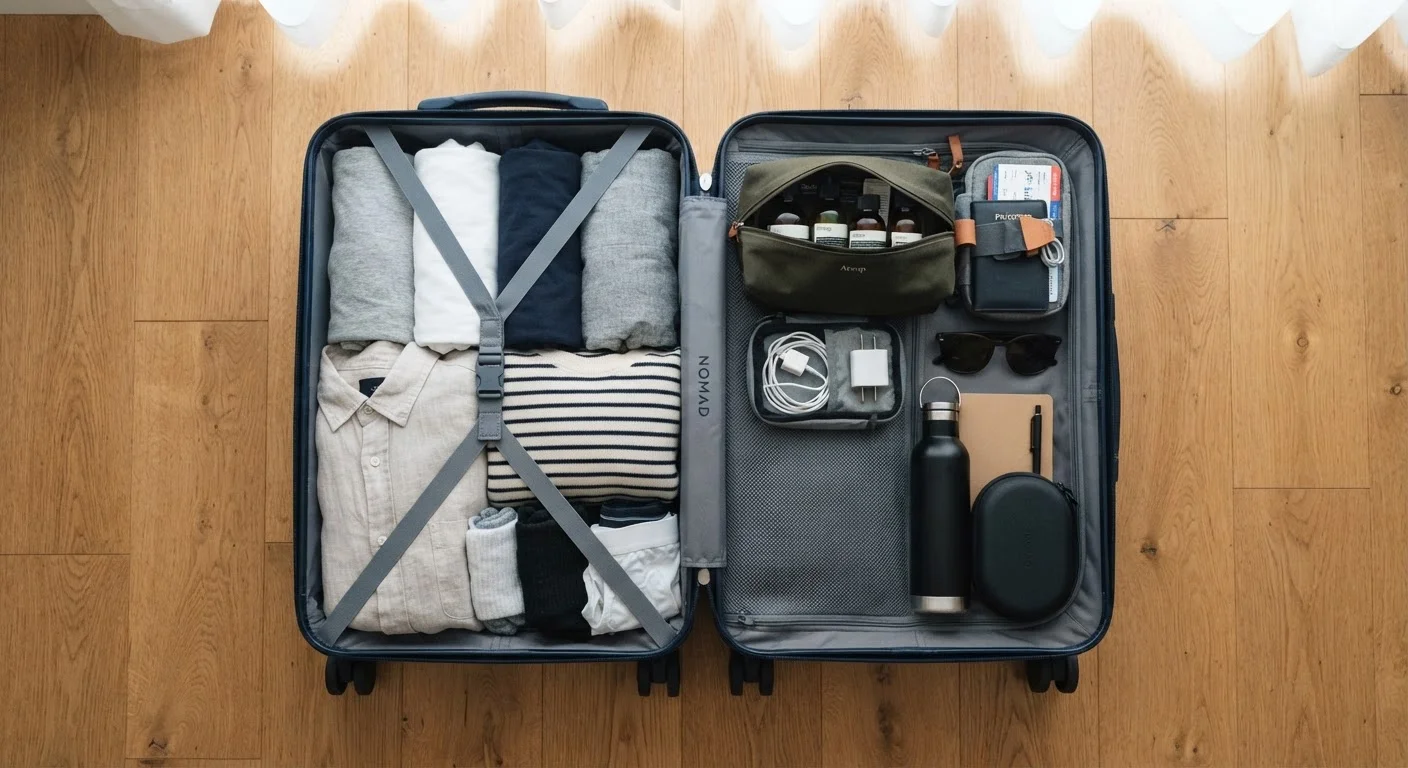
Photo credit: ResultsPoint.net | Find The Required Information
In this article
Seven days of clothes and gear in one small bag is doable. This step-by-step guide walks you through how to make it work.
Key Takeaways
- Choosing versatile, mix-and-match clothing dramatically reduces how many pieces you need to pack.
- Rolling clothes instead of folding saves significant space and reduces wrinkles.
- Toiletries are the most common source of carry-on compliance failures — plan them carefully.
- Wearing your bulkiest items on travel day frees up critical bag space.
- A packing list drafted before you start prevents last-minute overpacking.
Why Carry-On Only Works for a Full Week
Plenty of travelers assume a week-long trip requires checked luggage. That assumption usually comes from packing habits — not actual space limits. A standard carry-on holds roughly 40 liters, which is enough for seven days of clothing when you pack intentionally. The key shift is thinking in outfits, not individual items.
The one-bag travel method takes this further, consolidating everything into a single pack. But even if you're using a wheeled carry-on plus a personal item, the principles are the same: every item needs to earn its space.
Carry-on only travel also removes the risk of lost luggage, eliminates baggage fees, and gets you through airports faster. It's a practical choice for most trip types — though very cold destinations or trips mixing formal and casual dress codes require more careful planning. For that kind of complexity, gear differences between trip types can help you calibrate.
What you will need
What You'll Need
Before you start packing, gather the right tools. Packing cubes aren't strictly necessary, but most travelers who try them don't go back. They compress soft clothing, keep categories separated, and make unpacking at your destination much faster.
Carry-on bag (22" x 14" x 9" or airline-approved equivalent)
The primary bag for storing all clothing and gear for your trip.
Packing cubes
Compress and organize clothing categories so the bag stays tidy and items are easy to find.
Quart-sized clear zip bag
Required by TSA for carrying liquids, gels, and aerosols through security.
Lightweight day bag or tote
Acts as your personal item for items you need during the flight and on travel day.
Check Airline Carry-On Size Rules First
Carry-on size limits vary by airline and even by fare class. A bag that fits on one carrier may be gate-checked on another. Always verify your specific airline's current dimensions and weight limits before you pack — this information is typically found on the airline's official website.
How to Pack a Week Into a Carry-On
Follow these steps in order. The sequence matters — toiletries and clothing choices should be settled before anything goes in the bag.
The Outfit Formula That Saves Space
Aim for a 5-3-2 clothing formula as a starting point: five tops, three bottoms, and two pairs of shoes. Each piece should work with at least two others. Neutral colors — navy, gray, white, olive — make mix-and-match dressing effortless and cut down on the mental load of planning outfits.
Draft a packing list before touching your bag
Sit down with a notepad or your phone and list every item you think you'll need. Then cut it by 20%. Most travelers pack for worst-case scenarios that rarely happen. Focus on what you'll realistically use, not what you might theoretically need.
Choose clothing that does double duty
Select pieces that work across multiple outfits and occasions. Merino wool tops, for example, resist odor and can often be worn two days before washing. Dark-wash pants transition from daytime sightseeing to a casual dinner. Avoid single-use items like themed T-shirts or formal pieces you'll wear once.
For cold-weather trips, layering strategy matters even more — see packing strategies for cold climates for how to handle bulky layers without checking a bag.
Pack your toiletries into the quart bag first
Toiletries are where carry-on packing most commonly fails. Decant shampoo, conditioner, and face wash into small reusable travel containers. Solid versions of soap, shampoo, and deodorant sidestep liquid rules entirely. For a deeper approach, toiletry packing strategies covers how to fit a full routine into a quart-sized bag.
Roll clothes and pack by density
Roll soft items like T-shirts, underwear, and lightweight pants into tight cylinders. Pack heavier, denser items — shoes, jeans, toiletry bag — along the wheeled base of your bag. Fill shoes with socks or small accessories to use every inch. Place rolled clothes vertically in packing cubes so you can see everything at a glance without unpacking.
Wear your bulkiest items on travel day
Your heaviest shoes, thickest jacket, and bulkiest sweater should be on your body when you board, not in your bag. This single habit can free up a third of your bag's volume. A jacket can also double as a blanket on the plane and go straight into overhead storage during the flight.
Assign your personal item to in-transit needs
Most airlines allow one personal item in addition to a carry-on. Use it for items you'll actually need during the flight: laptop, headphones, snacks, a book, your travel documents, and anything valuable. Keep this bag light enough to slide under the seat in front of you. See what to keep in your travel day kit for a practical breakdown of in-transit essentials.
Do a final weight and size check before leaving home
Lift your bag. If you can't comfortably hoist it into an overhead bin, it's too heavy even if it fits the size requirements. Some airlines enforce weight limits on carry-ons; a luggage scale takes the guesswork out. Close every zipper and confirm the bag isn't bulging at the sides — a misshapen bag may not pass the gate sizer test.
TSA Liquid Rules Apply to Every Carry-On
All liquids, gels, and aerosols in a carry-on must be in containers of 3.4 oz (100 ml) or less and fit in a single quart-sized clear bag. This rule applies at U.S. security checkpoints regardless of trip length. Oversized liquids will be confiscated at the checkpoint.
If this is your first time attempting carry-on-only travel, this introduction to packing light covers the mindset shift that makes the whole process easier. For ongoing trip planning guidance, including how to organize itineraries and logistics, that hub is a useful starting point.

Author
Travel Editorial Team
Travel Editorial Team is the collective byline for our editorial team and contributor network. Articles published under this byline or an editorial pen name are researched, written, and reviewed according to our editorial standards for clarity, consistency, and independence before publication.
View all articles →