
Gear Differences That Matter: Weekend Trip vs. Two-Week International Journey
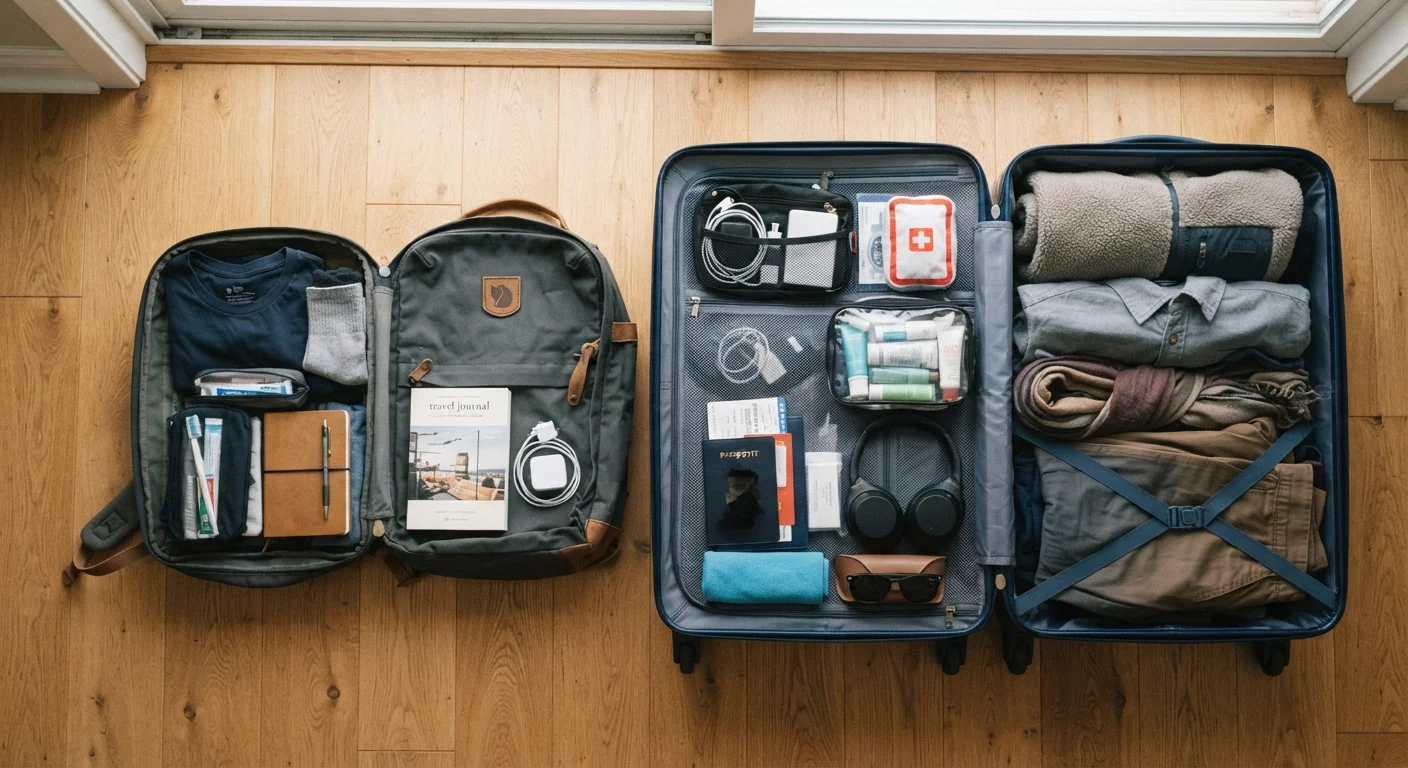
Photo credit: ResultsPoint.net | Find The Required Information
In this article
A long-haul international trip demands different gear choices than a quick getaway. Here's how to adjust your kit without over- or under-packing.
Key Takeaways
- A weekend trip calls for a single carry-on with versatile, minimal clothing and basic toiletries.
- Two-week international travel requires document management, multi-climate layering, and redundancy in key gear.
- Luggage type, toiletry volume, electronics load, and health prep all shift significantly between trip lengths.
- Over-packing a short trip and under-preparing for a long one are equally common — and avoidable — mistakes.
Why Trip Length Changes Everything About Packing
Most packing stress comes from applying the wrong mental model to the trip at hand. Packing for a three-day trip like a two-week journey leads to an overstuffed bag you'll resent by day two. Going the other direction — under-preparing for an extended international journey — can leave you scrambling for essentials mid-trip.
The core variables that shift with trip length include: bag type and size, clothing volume and layering strategy, toiletry logistics, electronics and charging needs, document management, and health preparedness. Understanding how each changes helps you build a kit that fits the actual trip — not a generic one-size-fits-all list. See our overview of gear by trip type for broader context on matching your kit to different journey formats.
Luggage and Bag Strategy
For a weekend trip — typically two to four nights — a single carry-on backpack or rolling carry-on is almost always sufficient. Checking a bag for a short trip adds cost, wait time, and the risk of loss without meaningful benefit. A 20–30 liter backpack or a standard carry-on roller covers the load easily.
A two-week international trip changes the calculus. If you're visiting a single climate zone and can access laundry, a carry-on can still work — and packing a week's worth of gear into a carry-on is a well-tested approach for minimalist travelers. But if you're crossing climates, attending formal events, or visiting destinations without reliable laundry access, a checked medium suitcase becomes practical. Hardshell versus softshell luggage is worth thinking through for longer journeys where bag durability and security matter more.
| Weekend Trip (2–4 nights) | Two-Week International Journey | |
|---|---|---|
| Bag type | Carry-on backpack or roller | Carry-on + personal item, or medium checked bag |
| Clothing volume | 3–4 versatile outfits | 7–10 mix-and-match pieces for re-wearing |
| Toiletries | Travel-size kit, single pouch | Full kit; consider solid formats for liquids rules |
| Electronics | Phone + one cable | Adapter, battery bank, possible laptop, backup cables |
| Documents | ID, payment cards | Passport, visas, insurance, backups, emergency contacts |
| Health prep | Basic blister kit, pain reliever | Prescriptions, full first aid, destination health research |
| Redundancy needed | Minimal | High — backup cards, copies, offline maps |
Clothing, Toiletries, and Electronics
Clothing: Weekend trips call for three to four outfits with maximum overlap — every item should work with at least two others. Two-week trips require a capsule wardrobe built around re-wearing and layering, especially if climate or formality shifts across destinations. Pack for the full activity range, not just the first leg.
Toiletries: For short trips, travel-size containers and a single toiletry pouch are plenty. For extended international travel, consider solid toiletries (shampoo bars, solid sunscreen) that don't count toward liquid limits, and think about which items you can buy locally versus which are worth bringing from home — this depends on the destination.
Electronics: A phone and one charging cable often covers a weekend. Longer international trips justify a universal power adapter, a portable battery bank, a lightweight laptop or tablet if needed, and backup charging cables. Noise-canceling headphones move from luxury to practical necessity on long-haul flights.
Build a Two-Week Kit Incrementally
Start with your weekend packing list as a base, then layer in what longer duration and international logistics genuinely require. This prevents the trap of starting from scratch and over-packing everything. Review each addition and ask: would I actually miss this, or could I manage without it or source it locally?
Documents, Health Prep, and Redundancy
A weekend domestic trip requires a government-issued ID and, if driving, your license and insurance cards. That's it. International two-week travel involves a much longer checklist: passport (verify expiration dates well in advance), visa documentation if required, printed hotel confirmations, travel insurance details, and emergency contacts stored both digitally and on paper.
Health prep also scales with trip length. A weekend bag might hold a small blister kit and over-the-counter pain reliever. A two-week international journey warrants a more complete health kit — prescription medications with documentation, prescription copies, basic first aid supplies, and awareness of healthcare access at each destination. Always verify vaccination and entry health requirements with official government sources before any international trip, as these can change.
Redundancy is a two-week concept, not a weekend one. Backup copies of your passport photo page, a spare debit card kept separate from your wallet, and a downloaded offline map are small additions with potentially significant payoffs. For a complete pre-departure review, the pre-trip packing checklist covers both documents and gear across trip types. If this is your first time navigating packing decisions, an introduction to packing light is a useful starting point before you start loading a bag.

Author
Travel Editorial Team
Travel Editorial Team is the collective byline for our editorial team and contributor network. Articles published under this byline or an editorial pen name are researched, written, and reviewed according to our editorial standards for clarity, consistency, and independence before publication.
View all articles →