
Packing Smart for Cold-Weather Travel
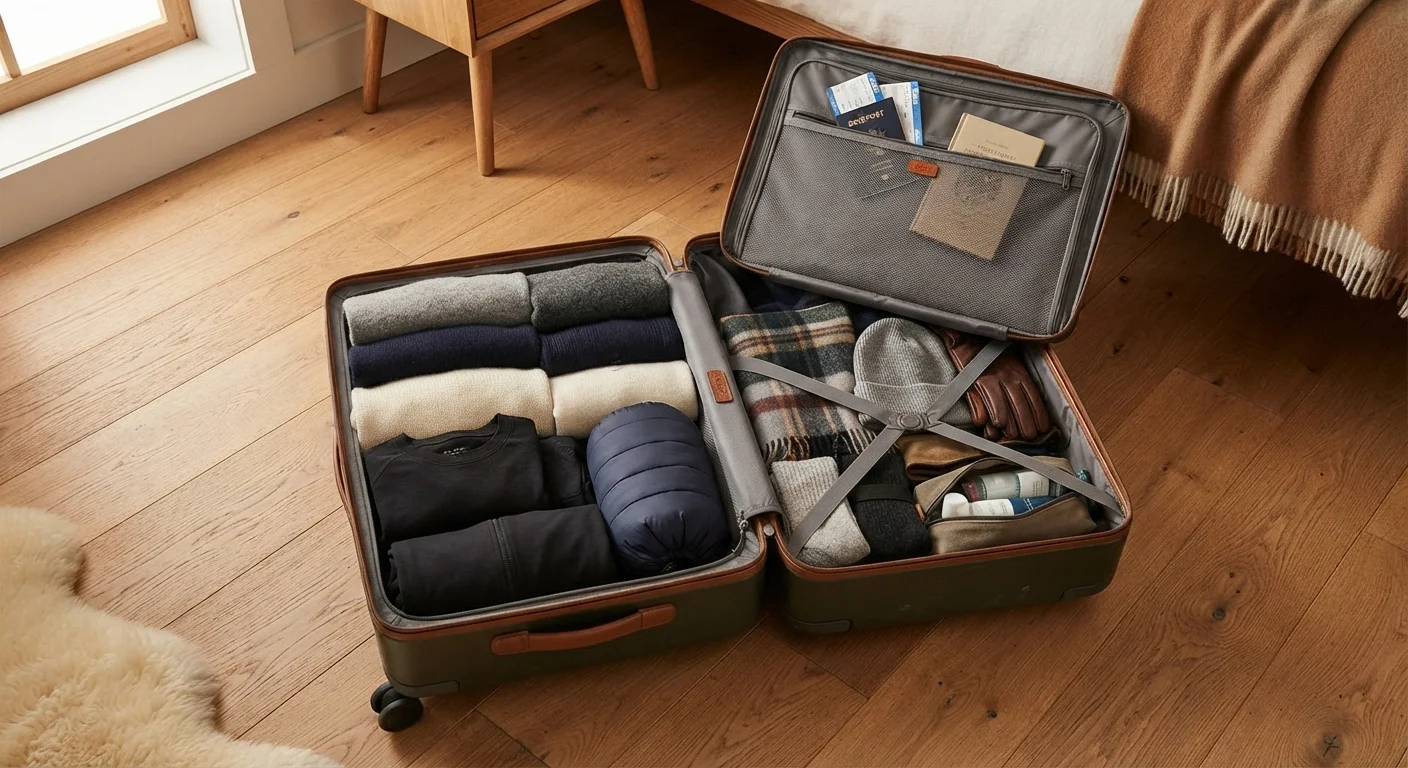
Photo credit: ResultsPoint.net | Find The Required Information
In this article
Cold climates demand bulky layers that eat up luggage space fast. Learn how to dress for freezing temperatures without overstuffing your bag.
Key Takeaways
- Layering with lightweight, compressible fabrics saves more space than packing bulky single-purpose garments.
- Wearing your heaviest items during transit keeps bag weight and bulk manageable.
- A single versatile mid-layer can replace two or three single-use sweaters across a multi-day trip.
- Compression bags help, but choosing the right fabrics matters more for lasting pack efficiency.
- Accessories like hats, scarves, and gloves fill gaps without adding significant luggage weight.
Why Cold-Weather Packing Feels Harder Than It Is
Cold-weather packing has a reputation for being punishing — and for good reason. A single down parka can consume half a carry-on. Stack a few wool sweaters on top and suddenly a long weekend trip demands checked luggage. But most overpacking mistakes in cold climates come from thinking in garments rather than systems.
The fix isn't to sacrifice warmth. It's to choose pieces that do multiple jobs, compress well, and layer efficiently. If you're newer to packing intentionally, our introduction to packing light lays a useful foundation before you start selecting cold-weather gear specifically.
Wear your bulkiest items during transit instead of packing them.
Heavy boots, a thick parka, and a chunky scarf can occupy a surprising fraction of your bag. Wearing them on the plane or train costs nothing and immediately frees up packing space for everything else.
Choose merino wool or synthetic base layers over cotton for every cold trip.
Merino wool regulates temperature, resists odor, and dries quickly — meaning you can rewear base layers multiple days without issue, significantly cutting the number of items you need to pack.
Pack one packable down jacket instead of multiple heavy sweaters.
A quality packable down jacket compresses to the size of a water bottle but delivers substantial warmth as a mid-layer. It outperforms two or three bulky knit sweaters in both warmth-to-weight ratio and pack efficiency.
Limit footwear to two pairs: one warm and waterproof, one lighter indoor option.
Shoes are the heaviest, least compressible items in any bag. In cold climates, travelers often overpack footwear — boots, casual shoes, slippers — when one pair of insulated waterproof boots handles most situations.
Use accessories strategically to extend your outfit range without adding bulk.
Scarves, gloves, and hats are lightweight, pack flat, and dramatically change how warm an outfit feels. They allow one coat and one mid-layer to perform across a wider temperature range.
The Layering System That Saves the Most Space
Experienced cold-weather travelers rely on a three-layer system: a moisture-wicking base layer, an insulating mid-layer, and a weather-resistant outer shell. Each layer handles a specific job, which means you can mix and match rather than packing a separate outfit for every temperature swing.
3-in-1
Outfits one layered system can cover
Travel packing experts consistently note that a base-mid-shell system can address light indoor, cold outdoor, and active conditions without changing the core pieces.
~0.5 lbs
Typical weight of a packable down jacket
Many packable insulated jackets weigh under half a pound while providing warmth equivalent to much heavier knit or fleece alternatives.
This approach is especially valuable on trips where conditions vary — a city trip that includes a day hike, or a ski weekend that also involves restaurant dinners. Instead of packing for each scenario separately, you reconfigure the same core pieces.
For a one-week trip, consider packing two base layers, one mid-layer, one shell, and one packable down vest. That's enough range for most winter conditions without filling an entire bag. See how this integrates with broader luggage decisions in our carry-on vs. checked luggage guide.
Best Practices for Packing Cold-Weather Gear
The following practices are drawn from common-sense travel strategy and the experience of frequent cold-climate travelers. Apply them selectively based on your destination, trip length, and activities planned.
Once you've got your approach down, it's also worth considering whether your luggage itself is right for the trip. Our guide to hardshell vs. softshell luggage walks through which bag type suits different travel styles and climates.
What to Leave Behind
Knowing what not to pack is just as important as knowing what to bring. Bulky robes, full-size toiletry bottles, multiple pairs of heavy boots, and redundant layers are the most common space wasters in cold-weather bags.
If you're aiming to travel with only a carry-on — even in winter — it's entirely possible for most trips under ten days. Our step-by-step carry-on packing guide shows how to make the math work. The same principles apply to cold-weather trips; the fabrics just need to be chosen more deliberately.
Consider Your Destination's Laundry Access
If you'll have access to a laundry facility mid-trip, you can pack even fewer base layers and rewear mid-layers with confidence. Many hotels and hostels offer laundry services, and quick-dry fabrics make sink-washing practical. Factor laundry access into your packing plan before you leave, especially on trips longer than five days.
Ultimately, the goal is arriving with what you need and nothing more. Cold weather makes that harder, but the layering system and the practices above give you a reliable framework to work from — no matter where winter takes you.

Author
Travel Editorial Team
Travel Editorial Team is the collective byline for our editorial team and contributor network. Articles published under this byline or an editorial pen name are researched, written, and reviewed according to our editorial standards for clarity, consistency, and independence before publication.
View all articles →