
Synthetic vs. Conventional Motor Oil: What the Difference Means for Your Engine
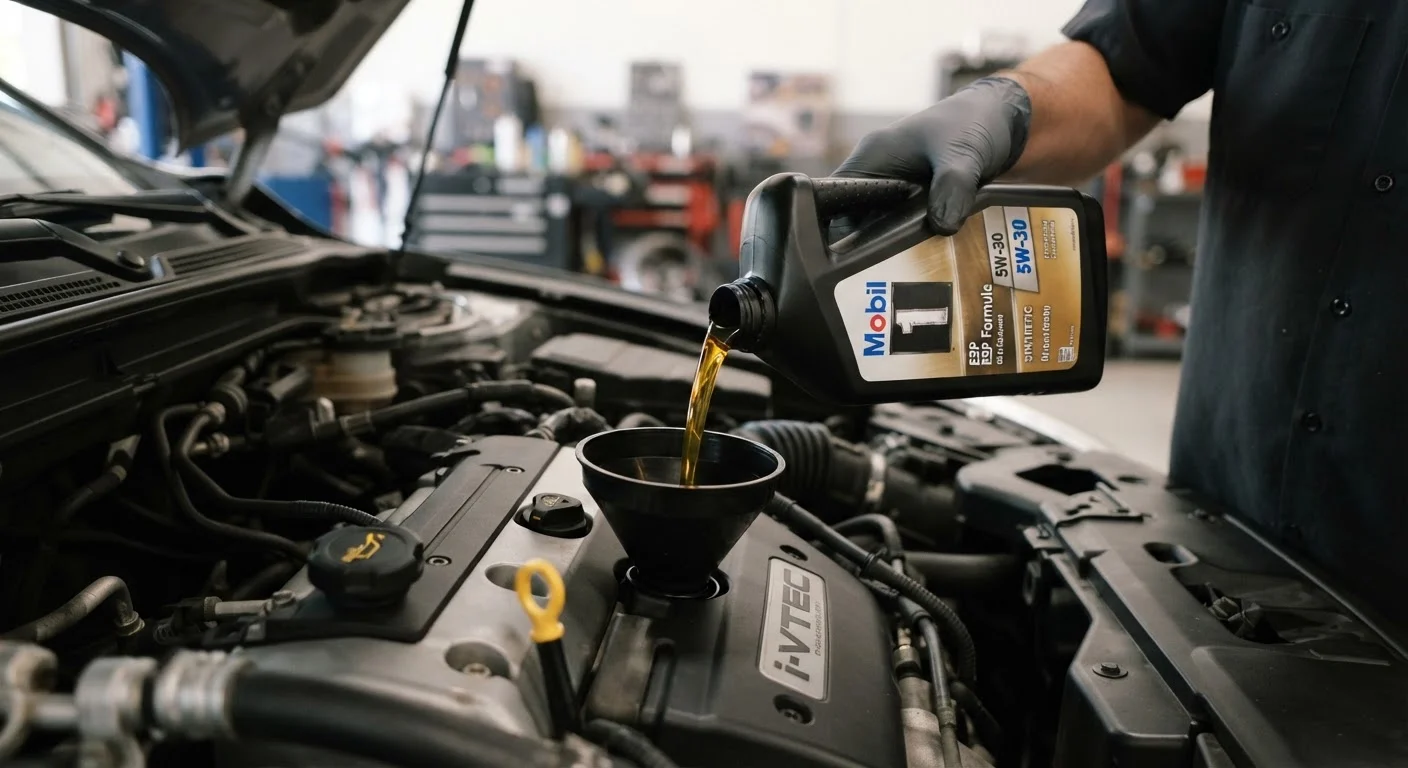
Photo credit: ResultsPoint.net | Find The Required Information
In this article
How synthetic and conventional oils differ in performance, longevity, and cost — and what factors determine which is appropriate for your car.
Key Takeaways
- Synthetic oil is chemically engineered for more consistent molecular structure than conventional crude-derived oil.
- Synthetics typically last 7,500–15,000 miles per change; conventional oil usually needs changes every 3,000–7,500 miles.
- Your owner's manual — not marketing claims — should determine which oil type your engine requires.
- Turbocharged, high-performance, and newer engines almost always benefit from or require full synthetic oil.
- Synthetic oil costs more upfront but fewer changes per year can offset a portion of that expense.
- Switching between oil types is generally safe; no evidence supports the myth that synthetics harm older engines.
How Each Oil Is Made
Conventional motor oil starts with crude petroleum that's drilled from the ground, then refined to remove impurities and blended with additives to meet performance standards. This refining process improves the oil significantly, but the base molecules remain irregular in size and shape — a natural byproduct of petroleum's complex makeup.
Synthetic motor oil takes a different route. Engineers start with either a refined petroleum base or a chemical feedstock and then build the oil molecules to a precise, uniform structure. That consistency isn't just chemistry for its own sake — it's what gives synthetic oil its performance advantages. Uniform molecules flow more predictably, resist breakdown longer, and leave fewer deposits behind.
There's also a middle category worth knowing: synthetic blend oil mixes conventional and synthetic base stocks. It offers some benefits of full synthetic at a lower price point, and some manufacturers recommend it for specific engines. For a broader look at how oil fits among your engine's other fluids, see The Fluids Under Your Hood and Why Each One Matters.
Performance Differences That Actually Matter
The real-world gap between the two oils shows up in a handful of specific situations:
- Cold starts: Conventional oil thickens in cold temperatures, meaning the engine runs briefly with less protection until the oil warms and flows freely. Synthetic oil remains more fluid at low temperatures, reaching critical engine parts faster at startup.
- High-heat conditions: Turbocharged engines and tow vehicles generate intense heat. Conventional oil can break down and oxidize more quickly under sustained heat, while synthetic oil maintains its protective film longer.
- Deposit control: As conventional oil degrades, it can leave sludge inside the engine. Synthetic oil is generally more resistant to oxidation and produces fewer deposits over time.
- Drain intervals: Conventional oil is typically changed every 3,000–7,500 miles depending on the vehicle and conditions. Full synthetic oil can often go 7,500–15,000 miles between changes — always check your owner's manual for the manufacturer's actual recommendation.
| Criterion | Synthetic Motor Oil | Conventional Motor Oil |
|---|---|---|
| Base material | Engineered chemical compounds | Refined crude petroleum |
| Typical drain interval | 7,500–15,000 miles | 3,000–7,500 miles |
| Cold-weather flow | Flows readily at low temps | Thickens more in cold |
| Heat resistance | High thermal stability | Breaks down faster under sustained heat |
| Deposit/sludge risk | Lower — cleaner burn | Higher over extended use |
| Cost per quart | Higher (roughly 2–4x more) | Lower upfront cost |
| Best engine match | Turbocharged, modern, high-output | Older, simpler engine designs |
Cost: More Upfront, Possibly Less Often
Synthetic oil typically costs two to four times more per quart than conventional oil. For a full oil change, that difference adds up. However, the extended drain intervals mean you're changing oil less frequently — which can offset some, though not always all, of the price gap depending on your driving habits and local labor rates.
For drivers who change their own oil, the math tends to favor synthetic more clearly. For those paying shop labor rates, the per-change cost difference is real but should be weighed against the convenience of fewer visits per year.
7,500–15,000 mi
Typical synthetic oil drain interval
Many full synthetic formulations are rated for extended intervals; always verify the specific interval in your owner's manual.
2–4×
Price premium of synthetic over conventional
Per-quart cost difference varies by brand and viscosity grade; fewer changes per year can reduce the annual cost gap.
0W-20
Common viscosity in newer engine specs
Many automakers now specify low-viscosity full synthetic grades like 0W-20 for fuel economy and engine protection at tight tolerances.
It's worth noting that synthetic oil's higher cost doesn't automatically mean it's the right choice for every vehicle. The best oil is the one your manufacturer specifies — not the most expensive option on the shelf.
Which Oil Does Your Engine Actually Need?
The single most reliable source of guidance is your vehicle's owner's manual. Manufacturers specify oil viscosity (such as 5W-30 or 0W-20) and often indicate whether full synthetic is required. Many modern engines — particularly those with turbochargers, direct injection, or variable valve timing — are engineered to run on synthetic and may not be fully protected by conventional oil.
Older vehicles designed before full synthetic was common can often run either type safely. The persistent belief that switching to synthetic damages seals or causes leaks in older engines is a myth — one addressed directly in Oil Change Myths That Drivers Keep Believing. If your high-mileage vehicle has been running conventional oil without issues, consult your mechanic before changing types, especially if there are existing leaks or seal wear. For more on caring for engines past 100,000 miles, see Keeping High-Mileage Vehicles on the Road Longer.
Always Follow Your Manufacturer's Specification
Engine oil recommendations aren't one-size-fits-all. Your owner's manual lists the required viscosity grade and may specify synthetic or synthetic blend. Using the wrong viscosity — even a premium one — can affect engine protection and fuel economy. When in doubt, ask a qualified mechanic rather than relying solely on what's available at the counter.

Author
Autos Editorial Team
Autos Editorial Team is the collective byline for our editorial team and contributor network. Articles published under this byline or an editorial pen name are researched, written, and reviewed according to our editorial standards for clarity, consistency, and independence before publication.
View all articles →