
Transferring a Car Title: What Happens During a Private Sale
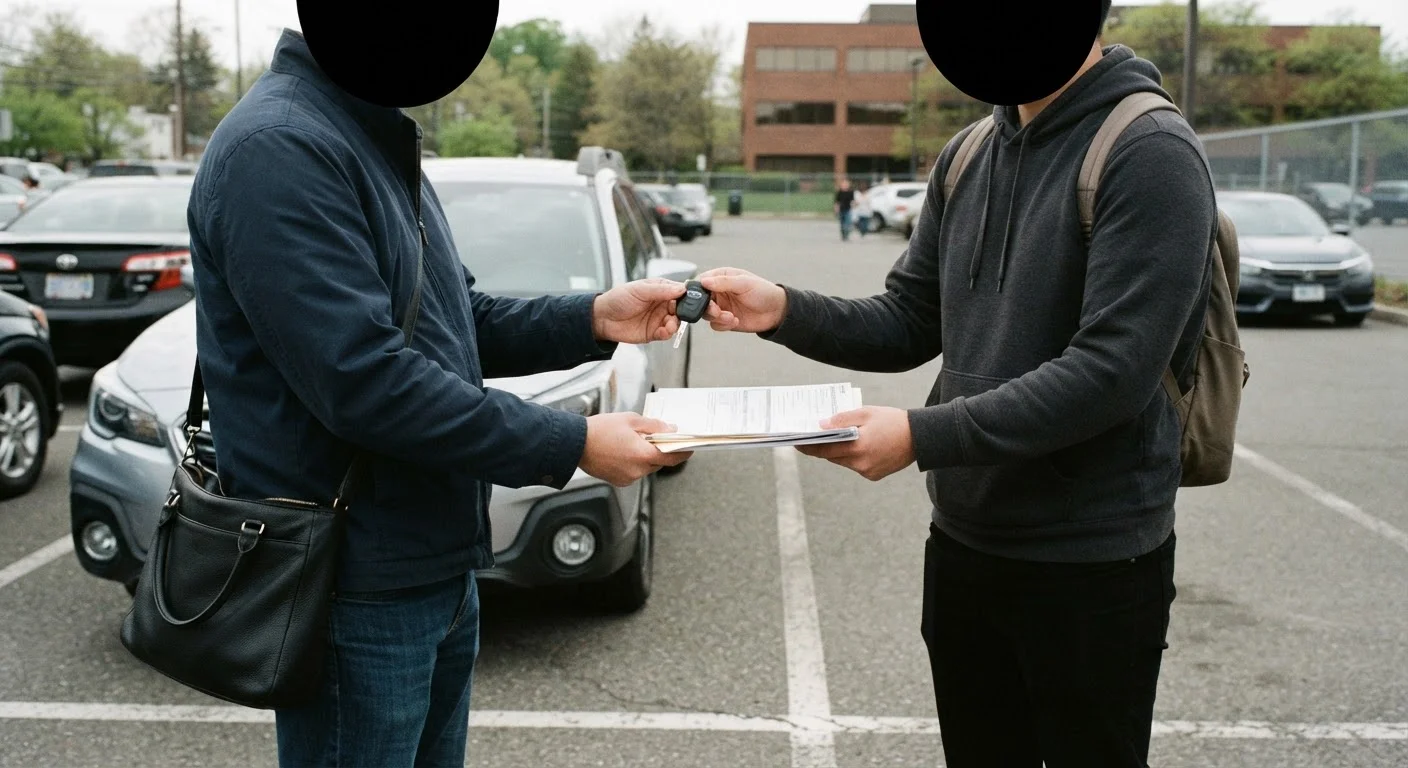
Photo credit: ResultsPoint.net | Find The Required Information
In this article
A title transfer is one of the most important steps in buying or selling a used car. Here's what the process typically involves and why it matters.
Key Takeaways
- The vehicle title is the legal document proving ownership — without a proper transfer, the sale isn't complete.
- Both buyer and seller must sign the title; mistakes on the document can void the transfer.
- The buyer typically has a limited window — often 10 to 30 days depending on the state — to register the vehicle.
- Outstanding liens must be cleared before a seller can legally transfer a clean title.
- A bill of sale protects both parties and may be required by your state's DMV.
Why the Title Transfer Matters
A vehicle title is the official legal document that establishes who owns a car. When you buy or sell a vehicle in a private sale, transferring that title correctly is how ownership actually changes hands — not when money is exchanged, and not when you hand over the keys.
Skipping this step or doing it wrong creates real problems. A seller who doesn't complete the transfer can remain legally tied to a vehicle they no longer drive. A buyer who doesn't register a transferred title could be operating an unregistered vehicle. Getting it right protects everyone involved.
For a broader look at keeping your vehicle records organized, see our guide to managing vehicle paperwork. And once the title is transferred, your next immediate step will be registration — learn what vehicle registration involves and why it's required.
Never Sign a Blank Title
A title signed by the seller but with no buyer information filled in is called a 'open' or 'floating' title. Whoever holds that document can write in any name they choose. This is illegal in most states and creates significant fraud risk for the seller. Always complete all fields before signatures are exchanged.
What You'll Need Before You Start
Before the title can change hands, both the buyer and seller should gather a few essentials. Requirements vary by state, but these items are standard in most jurisdictions.
What you will need
Original Vehicle Title
The primary legal document that must be signed over by the seller to complete the ownership transfer.
Bill of Sale
A written record of the transaction terms — price, date, vehicle details — that protects both parties legally.
State DMV Transfer Form
Some states require a separate form in addition to the signed title; check your state's DMV website for requirements.
Lien Release Letter
Required if the vehicle had an outstanding loan; confirms the lender no longer has a claim on the title.
Odometer Disclosure Statement
Documents the verified mileage at time of sale; may be printed on the title itself or required as a separate form.
How to Complete the Title Transfer
Follow these steps at the time of the sale and immediately after. Both parties should be present when possible, and the seller should never hand over a blank-signed title — that's effectively signing away ownership to whoever holds the document.
Verify the title is clean and in the seller's name
Before money changes hands, the buyer should confirm that the name on the title matches the seller's ID, that there are no lienholders listed, and that the title isn't marked as salvage or rebuilt — unless that status was already disclosed and agreed upon.
Complete the title's seller section
The seller fills in the buyer's name and address, the sale price, the odometer reading, and the date of sale in the designated fields on the back of the title. Both the seller and buyer then sign where required. Use a pen — no pencil, no correction fluid.
Create and sign a bill of sale
A bill of sale records the transaction in plain language: the vehicle's make, model, year, VIN, sale price, and date. Both parties should sign it and keep a copy. Some states require it for title transfer; all buyers benefit from having one regardless.
Seller notifies the DMV
In many states, the seller is required to notify the DMV that the vehicle has been sold — often through a release of liability form. This removes the seller from legal responsibility for anything that happens with the vehicle after the sale date.
Buyer submits the title to the DMV
The buyer takes the signed title, bill of sale, proof of insurance, and any required state forms to the local DMV office or submits them through the state's online portal (where available). Title transfer fees vary by state and are typically paid at this step.
Check Your State's Specific Requirements
Title transfer rules vary meaningfully from state to state — notarization is required in some, additional forms are mandatory in others. Always check your state's official DMV website before the sale date so both parties know exactly what to bring. Doing this five minutes of research beforehand prevents a failed transaction on the day.
Common Mistakes That Can Derail a Transfer
Even straightforward title transfers go sideways when small details are missed. Watch out for these pitfalls:
- Correction fluid on the title. Most states do not accept whiteout or crossed-out text on a title. If a mistake is made, you may need a replacement title before you can proceed.
- Mismatched odometer readings. Federal law requires an accurate odometer disclosure on vehicles under a certain age. An inaccurate figure — even an honest mistake — can create legal complications.
- Outstanding lien not disclosed. If the seller still owes money on the car, the lender holds the title. The seller must pay off the loan and obtain a lien release before a clean title can be transferred.
- Missing the registration deadline. States give buyers a fixed window to register the vehicle after transfer. Missing it typically results in late fees.
Buying or selling a car in a private transaction shares some of the same care required in major asset transfers. If you've been through a home purchase, you'll recognize the importance of clean documentation — the homebuying process walkthrough illustrates how closely title and ownership paperwork are scrutinized in real estate as well.
Avoid 'Title Jumping' at All Costs
Title jumping occurs when a buyer resells the vehicle without first putting the title in their own name. It's illegal in every state and can expose both parties to fraud liability. If you're buying a car and the title shows a name that isn't the seller's, that's a serious red flag — don't complete the purchase until the title chain is explained and verified.

Author
Autos Editorial Team
Autos Editorial Team is the collective byline for our editorial team and contributor network. Articles published under this byline or an editorial pen name are researched, written, and reviewed according to our editorial standards for clarity, consistency, and independence before publication.
View all articles →