
Fiber: The Nutrient Most Americans Aren't Getting Enough Of
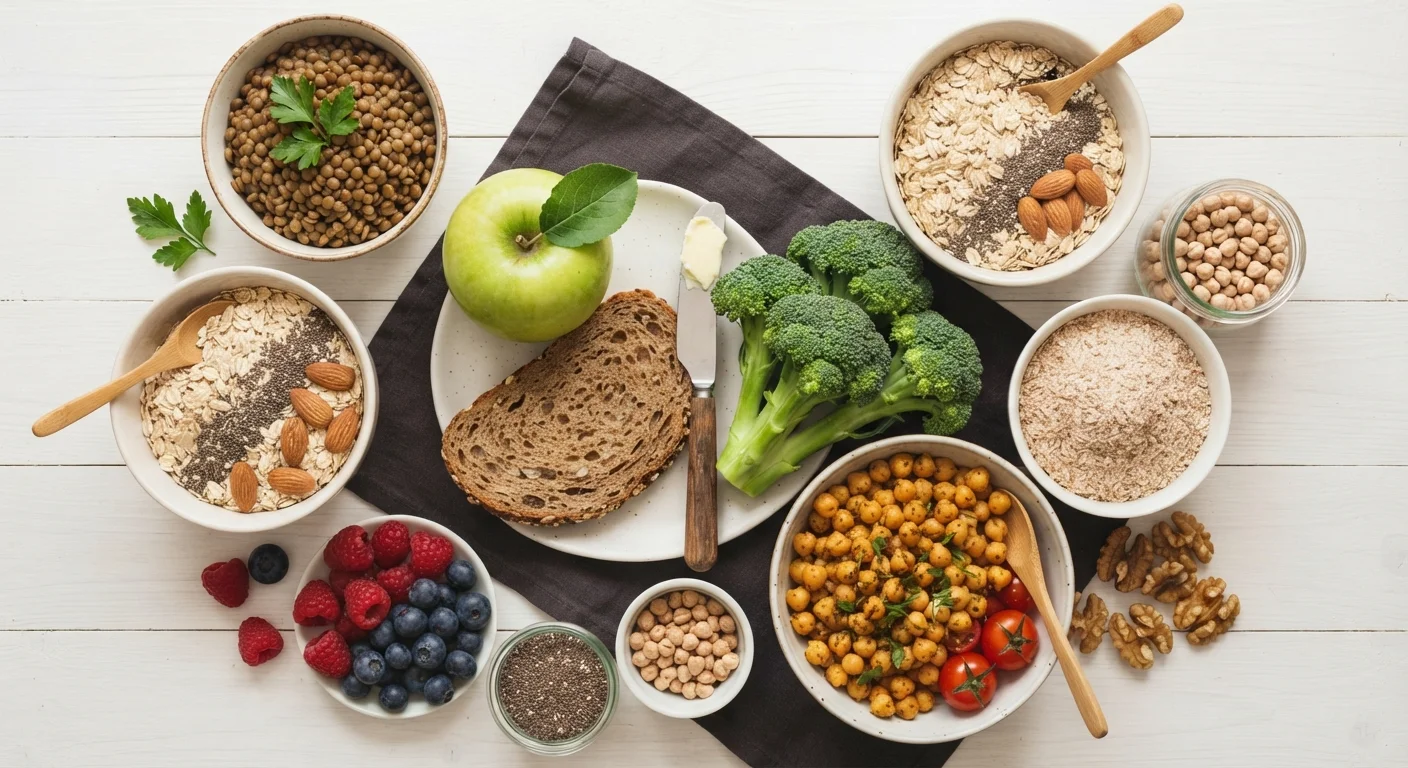
Photo credit: ResultsPoint.net | Find The Required Information
In this article
Dietary fiber does far more than aid digestion. Explore what it is, where it comes from, and why falling short matters for long-term health.
Key Takeaways
- Most American adults consume roughly half the fiber their bodies need daily.
- Fiber comes in two forms — soluble and insoluble — and both serve important roles.
- Whole grains, legumes, fruits, and vegetables are the richest dietary sources.
- Increasing fiber intake gradually and drinking enough water helps avoid digestive discomfort.
- Fiber supports far more than digestion, including heart health and blood sugar regulation.
Why Fiber Keeps Getting Overlooked
Fiber rarely gets the spotlight that protein or omega-3s do, yet it's one of the most consistently under-consumed nutrients in the American diet. It doesn't appear on glossy supplement ads, and it won't promise dramatic transformation. What it does is quietly support some of the most fundamental processes in your body — from how your gut functions to how steadily your blood sugar rises after a meal.
Part of the problem is that the foods richest in fiber — beans, lentils, whole grains, vegetables — tend to get crowded out by heavily processed options that have had most of their fiber refined away. Understanding what a genuinely balanced diet looks like helps clarify why fiber-rich whole foods belong at the center of the plate rather than the margins.
~15g
Average daily fiber intake for U.S. adults
According to data from the Dietary Guidelines for Americans, most adults consume roughly 15 grams of fiber daily — well below the recommended 25–38 grams.
95%
Americans falling short of fiber recommendations
Research published in nutrition journals estimates that approximately 95% of Americans do not meet daily fiber intake recommendations, making it one of the most widespread dietary shortfalls.
10–15%
Reduction in heart disease risk per 7g fiber increase
A meta-analysis of prospective studies found that each additional 7 grams of daily fiber was associated with a 9% lower risk of cardiovascular disease.
Two Types of Fiber, Two Different Jobs
Soluble fiber dissolves in water, forming a gel-like substance in the digestive tract. This gel slows the absorption of sugar, which helps keep blood sugar levels more stable after eating. It also binds to cholesterol particles and helps carry them out of the body, which is why diets higher in soluble fiber are associated with improved cholesterol profiles. Good sources include oats, apples, citrus fruits, barley, and legumes.
Insoluble fiber doesn't dissolve — it adds bulk and texture to stool and helps food move through the intestines more efficiently. This is the type most people associate with digestive regularity. Whole wheat, bran, nuts, and most vegetables are reliable sources. The practical takeaway: eating a variety of plant foods naturally supplies both types, so you don't need to track them separately.
Fiber and Digestive Conditions
People with certain digestive conditions — including irritable bowel syndrome (IBS), Crohn's disease, or diverticulitis — may need to approach fiber intake differently, as specific types can trigger symptoms in some individuals. If you have a diagnosed digestive condition, consult your gastroenterologist or registered dietitian before significantly changing your fiber intake. General guidance doesn't apply uniformly to everyone.
The Real-World Consequences of Falling Short
Chronic low fiber intake has been linked in population-level research to a higher risk of cardiovascular disease, type 2 diabetes, and certain digestive conditions. It also tends to make it harder to feel satisfied after meals, which can lead to eating more overall. None of this means fiber is a cure or that eating more of it guarantees any specific outcome — but the research consistently points in the same direction.
It's also worth understanding that fiber feeds the beneficial bacteria living in your gut. These microorganisms ferment fiber and produce compounds called short-chain fatty acids, which support the integrity of the gut lining and have broader effects on inflammation. This is an active area of research, and while the science is still evolving, the existing evidence supports maintaining a fiber-rich diet for gut health.
If you're trying to understand your own intake, the nutrition label's fiber line tells you exactly how much each serving contributes — a straightforward starting point for building awareness.
Practical Ways to Eat More Fiber
Increasing fiber doesn't require a complete dietary overhaul. Small, consistent substitutions tend to work better than dramatic changes — particularly because jumping from very low to very high intake quickly can cause bloating and gas. Drinking adequate water alongside fiber-rich foods helps the fiber do its job and reduces digestive discomfort.
- Swap refined grains for whole-grain versions of bread, pasta, and rice.
- Add a handful of beans or lentils to soups, salads, or grain bowls. Legumes also deliver meaningful protein, making them a dual-purpose addition.
- Eat fruit whole rather than juiced — juice removes most of the fiber.
- Leave the skin on potatoes, apples, and pears where appropriate, since the skin is often where fiber concentrates.
- Snack on nuts, seeds, or raw vegetables rather than crackers or chips.
Increase Fiber Gradually to Avoid Discomfort
If your current diet is low in fiber, adding large amounts quickly can cause gas, bloating, and cramping. Aim to increase by a few grams per week rather than overhauling your diet overnight. Staying well-hydrated is equally important — fiber absorbs water, and inadequate fluid intake can make things worse rather than better.
One common misstep: assuming that a product labeled "multigrain" or "made with whole wheat" is automatically high in fiber. Always check the actual fiber grams on the nutrition label rather than relying on front-of-package claims. The gap between food marketing and food reality is one of the more persistent obstacles to eating well.
This article is for general informational purposes only and is not a substitute for professional medical or dietary advice. Consult a qualified healthcare provider for guidance specific to your health needs.
Frequently Asked Questions

Author
Health Editorial Team
Health Editorial Team is the collective byline for our editorial team and contributor network. Articles published under this byline or an editorial pen name are researched, written, and reviewed according to our editorial standards for clarity, consistency, and independence before publication.
View all articles →