
The Nutrition Label Explained, Line by Line
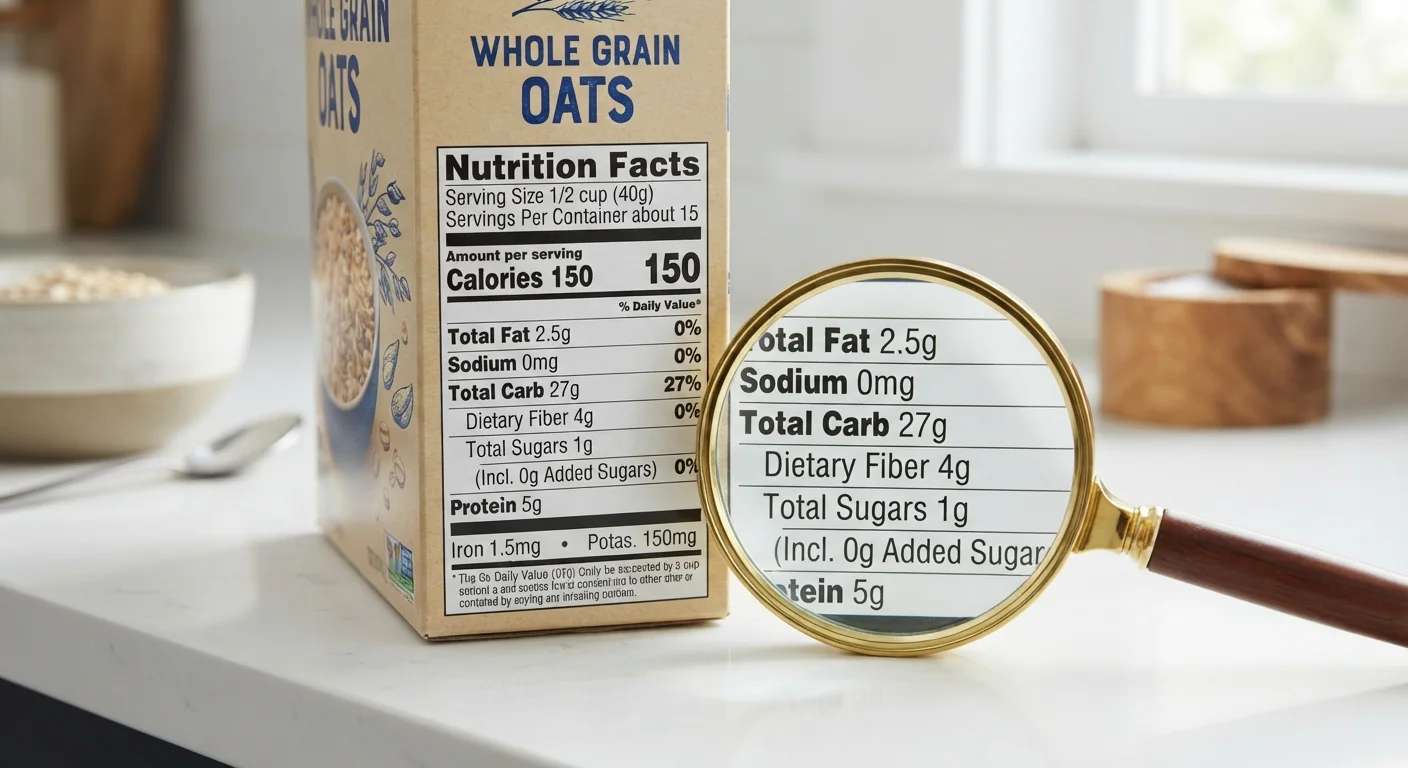
Photo credit: ResultsPoint.net | Find The Required Information
In this article
From serving size to percent daily value, here's what every row on a standard U.S. nutrition facts panel is really telling you.
Why the Label Exists — and How It's Structured
The Nutrition Facts panel is a standardized format required by the U.S. Food and Drug Administration (FDA) on nearly all packaged foods. Its purpose is straightforward: give consumers consistent, comparable information about what they're eating. The current design, which was updated in 2020, places the most decision-relevant information — calories and serving size — in larger, bolder type at the top.
Reading the label from top to bottom follows a logical order: first, the serving context; then energy; then macronutrients; then specific nutrients to limit or seek out. Understanding that structure makes the rest much easier.
| Regulatory authority | U.S. Food and Drug Administration (FDA) |
| Label format last updated | 2020 (compliance deadline for most manufacturers) (FDA) |
| %DV reference diet | 2,000 calories per day (FDA standard benchmark) |
| Low nutrient threshold | 5% DV or less per serving (FDA guidance) |
| High nutrient threshold | 20% DV or more per serving (FDA guidance) |
| Required micronutrients listed | Vitamin D, calcium, iron, potassium (Current FDA rules) |
Serving Size and Servings Per Container
Serving size is the single most important number on the label because every other figure on the panel is based on it. The FDA standardized serving sizes to reflect amounts people typically eat — not aspirational portions. If you eat twice the listed serving, you consume twice the calories, sodium, and everything else.
Servings per container tells you how many of those servings are in the whole package. A bag of chips might list 1 oz as a serving but contain 2.5 servings total. That math matters before you reach the bottom of the bag.
Serving Size
The standardized amount of food the label's nutrition data is based on. Set by the FDA to reflect typical consumption amounts, not recommended portions.
% Daily Value (%DV)
The percentage of a nutrient's recommended daily amount provided by one serving, based on a 2,000-calorie reference diet. Useful for quick comparisons between foods.
Added Sugars
Sugars introduced during food processing or preparation — such as table sugar, honey, or syrups — as distinct from sugars naturally present in ingredients like fruit or milk.
Saturated Fat
A type of fat found primarily in animal products and some tropical oils. Dietary guidelines generally recommend limiting saturated fat intake.
Trans Fat
An industrially produced fat formed by partial hydrogenation of oils. The FDA has largely eliminated artificial trans fats from the U.S. food supply, but trace amounts may still appear.
Dietary Fiber
A type of carbohydrate the body cannot fully digest. It supports digestive health and is associated with a range of other health benefits when consumed regularly.
Calories, Macronutrients, and What They Mean
Calories measure the total energy a serving provides. The label also breaks down where those calories come from: total fat, total carbohydrate, and protein — the three macronutrients. For a deeper look at what each one does in your body, see our plain-language guide to macronutrients.
Fat is sub-divided into saturated fat and trans fat — both listed because dietary guidance calls for limiting them. Carbohydrates are sub-divided into dietary fiber and total sugars, with added sugars called out separately beneath total sugars. Added sugars are those introduced during processing, not naturally present in ingredients. Protein has no sub-categories on the label.
Dietary fiber deserves special attention: most Americans fall well short of general intake goals. Our article on fiber and why it matters explains the details.
~90%
Americans who fall short of daily fiber goals
According to the Dietary Guidelines for Americans, dietary fiber is identified as a nutrient of public health concern due to widespread underconsumption.
2,300 mg
Daily sodium limit in U.S. dietary guidelines
The Dietary Guidelines for Americans set 2,300 mg as the daily sodium reference value for adults; this figure is the basis of the %DV for sodium on the label.
10%
Calorie cap on added sugars per day
The Dietary Guidelines for Americans recommend limiting added sugars to less than 10% of total daily calories, which is reflected in the %DV shown on the label.
Percent Daily Value: The Column That Does the Heavy Lifting
The % Daily Value (%DV) column on the right side of the panel is based on a reference diet of 2,000 calories per day — a general benchmark, not a prescription for any individual. It tells you how much a nutrient in one serving contributes to a typical daily total.
A general rule of thumb recognized by the FDA: 5% DV or less is considered low for a nutrient; 20% DV or more is considered high. Use this to quickly flag nutrients you want more of (fiber, vitamins, minerals) or less of (sodium, saturated fat, added sugars).
Sodium is one nutrient where the %DV column earns its keep. A single processed food item can account for 30–40% of the daily reference value in one serving. For context on where most dietary sodium actually comes from, see our sodium explainer.
The 2,000-Calorie Reference Is a Benchmark, Not a Target
The %DV column is calculated against a 2,000-calorie-per-day diet — a round number chosen to make math convenient and labels consistent across all products. Your actual calorie needs depend on age, sex, body size, and activity level, and vary considerably from person to person. Use %DV as a comparison tool between foods, not as a personal daily target. A registered dietitian can help you think through what's right for your individual situation.
Vitamins, Minerals, and the Ingredient List Connection
The bottom section of the Nutrition Facts panel lists key micronutrients — currently required to include Vitamin D, calcium, iron, and potassium — along with their %DV. These were chosen because Americans have historically fallen short on them. Other vitamins and minerals may appear voluntarily. For a broader overview of what these nutrients do, our no-jargon vitamins and minerals reference is a useful companion.
The Nutrition Facts panel tells you amounts; the ingredient list tells you sources. They work together. Knowing a food is high in added sugars is useful — knowing it comes from high-fructose corn syrup or cane juice is another layer. See how to read an ingredient list without getting fooled for that side of the story.
This article is for general informational and educational purposes only and is not a substitute for professional medical or dietary advice. Consult a qualified healthcare provider or registered dietitian for guidance specific to your health needs.

Author
Health Editorial Team
Health Editorial Team is the collective byline for our editorial team and contributor network. Articles published under this byline or an editorial pen name are researched, written, and reviewed according to our editorial standards for clarity, consistency, and independence before publication.
View all articles →