
Sodium in the American Diet: Where It Really Comes From
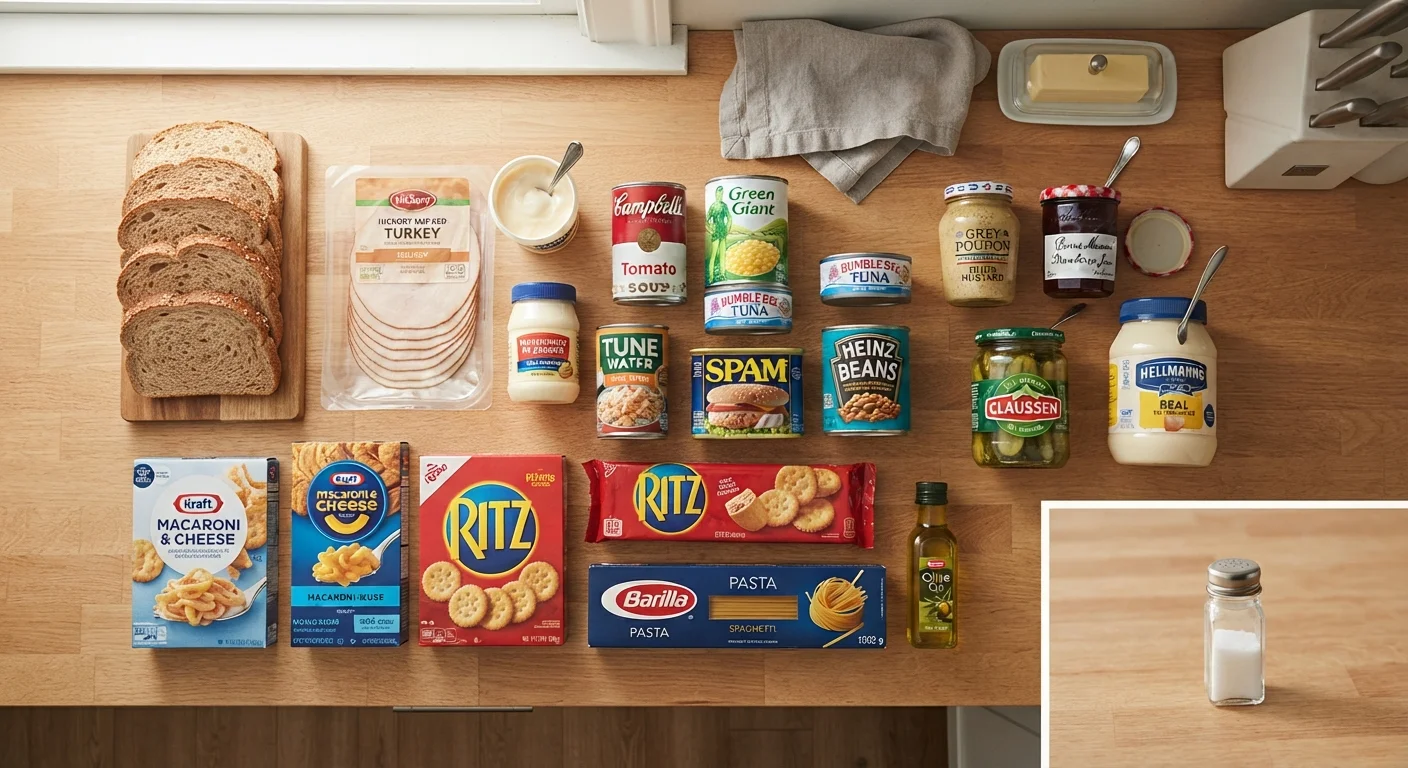
Photo credit: ResultsPoint.net | Find The Required Information
In this article
Most dietary sodium doesn't come from the salt shaker. Understand the surprising sources and what U.S. dietary guidelines say about daily intake.
Key Takeaways
- About 70% of dietary sodium consumed by Americans comes from packaged and restaurant foods, not home cooking.
- Bread, pizza, sandwiches, and cured meats are among the largest sources of sodium in the U.S. diet.
- U.S. dietary guidelines recommend most adults limit sodium to 2,300 mg per day.
- Reading nutrition labels is one of the most practical ways to track your sodium intake.
- Sodium serves essential body functions — the goal is balance, not elimination.
The Salt Shaker Isn't the Problem
When most people think about cutting back on sodium, they picture unscrewing the salt shaker. But that instinct is largely misplaced. According to the U.S. Centers for Disease Control and Prevention, roughly 70% of the sodium Americans eat comes from packaged, processed, and restaurant foods — before anyone reaches for a shaker.
The remaining sodium comes from two smaller pools: natural sodium found in whole foods like meat, dairy, and some vegetables, plus the salt added during home cooking or at the table. That last category — what nutrition researchers call "discretionary" sodium — accounts for only about 10–11% of total intake for most people.
This matters because it shifts where attention is most useful. A light hand with the salt shaker is fine, but if packaged foods dominate someone's diet, the shaker barely moves the needle. Understanding where sodium actually enters the diet is the more actionable starting point.
~70%
Sodium from packaged and restaurant foods
The CDC estimates that roughly 70% of dietary sodium consumed by Americans comes from processed and commercially prepared foods.
3,400 mg
Average daily sodium intake for U.S. adults
The FDA reports that the average American adult consumes about 3,400 mg of sodium per day — nearly 50% above the recommended limit.
2,300 mg
Recommended daily sodium limit (most adults)
The Dietary Guidelines for Americans set 2,300 mg per day as the general upper limit for most adults, equivalent to about one teaspoon of table salt.
The Unlikely Top Sources
The foods that contribute the most sodium to the American diet aren't always the ones that taste the saltiest. The CDC and FDA have both highlighted a consistent list of top contributors, sometimes called the "salty six":
- Bread and rolls — A single slice of bread can contain 100–200 mg of sodium. Eaten multiple times a day, it adds up quickly.
- Pizza — Between the crust, sauce, cheese, and cured meat toppings, a few slices can account for a substantial portion of a day's sodium budget.
- Sandwiches — Deli meats, cheese, and condiments each contribute, making a standard lunch sandwich a significant sodium source.
- Cold cuts and cured meats — Sodium acts as a preservative in these products, so levels are often high even in products that don't taste overtly salty.
- Canned soups — Many standard canned soups contain 700–900 mg of sodium per serving, and some cans hold more than one serving.
- Savory snacks — Chips, crackers, and pretzels are well-known culprits, though they aren't necessarily the biggest contributors per capita.
Learning to read a nutrition label is one of the most practical habits for tracking sodium. The Nutrition Label Explained, Line by Line can walk you through exactly what to look for on the sodium row and how to interpret percent daily value figures.
Sodium Hides in Many Additives
Sodium appears on ingredient lists under many names beyond just "salt." Sodium bicarbonate (baking soda), sodium nitrate (used in cured meats), monosodium glutamate (MSG), and sodium benzoate (a preservative) all contribute to total sodium intake. When a nutrition label lists the sodium content, it captures all of these sources combined — which is why checking the sodium row directly is more reliable than scanning ingredient lists for the word "salt" alone.
What U.S. Dietary Guidelines Actually Say
The Dietary Guidelines for Americans — published jointly by the U.S. Department of Agriculture and Department of Health and Human Services — recommend that most adults consume less than 2,300 mg of sodium per day. For context, the average American adult consumes closer to 3,400 mg daily, well above that threshold.
It's worth noting that 2,300 mg isn't a zero-risk cutoff or a medical prescription — it's a general population benchmark. Individual needs can vary based on age, health status, activity level, and other factors. Healthcare providers may recommend different targets for people with specific conditions. This article is general nutrition education, not personal medical advice; anyone managing a health condition should work with a qualified provider.
What the guidelines do make clear is that sodium reduction at the population level is a meaningful public health priority. Because so much sodium enters the diet through commercial food production, manufacturers have also faced increasing pressure to reformulate products with lower sodium content over time.
Use the % Daily Value as a Quick Guide
On U.S. nutrition labels, a sodium % Daily Value of 5% or less per serving is generally considered low, while 20% or more is considered high. This shortcut can help you quickly categorize products without doing mental math on milligrams. Keep in mind that the daily value is based on 2,300 mg — so your personal context may differ.
For a broader look at how sodium fits into overall diet quality, see What Does 'Eating Balanced' Actually Mean — which puts individual nutrients like sodium in the context of a whole-diet approach.
Practical Ways to Think About It
Reducing sodium intake doesn't require eliminating favorite foods or cooking from scratch every night. A few awareness-based habits tend to have the most impact:
- Compare labels between similar products. Sodium content can vary dramatically between brands of the same food — sometimes by several hundred milligrams per serving. Checking the label takes seconds.
- Watch serving sizes. Many packaged foods list sodium per serving, but the container holds two or more servings. The actual sodium consumed can be double what the label seems to show at first glance.
- Rinse canned beans and vegetables. Studies suggest rinsing canned legumes can remove a meaningful portion of the added sodium used in canning liquid.
- Flavor with herbs and spices. Using aromatics, citrus, vinegar, or spices to build flavor reduces dependence on salt without sacrificing taste.
Sodium is just one piece of the nutritional picture. Nutrients like dietary fiber — explored in Fiber: The Nutrient Most Americans Aren't Getting Enough Of — are equally important to overall health and often fall short in the same food patterns that deliver excess sodium.
This article is for general informational and educational purposes only and is not a substitute for professional medical or dietary advice. Consult a qualified healthcare provider for guidance specific to your health situation.
Frequently Asked Questions

Author
Health Editorial Team
Health Editorial Team is the collective byline for our editorial team and contributor network. Articles published under this byline or an editorial pen name are researched, written, and reviewed according to our editorial standards for clarity, consistency, and independence before publication.
View all articles →