
Understanding Sunlight in Your Yard Before You Plant Anything
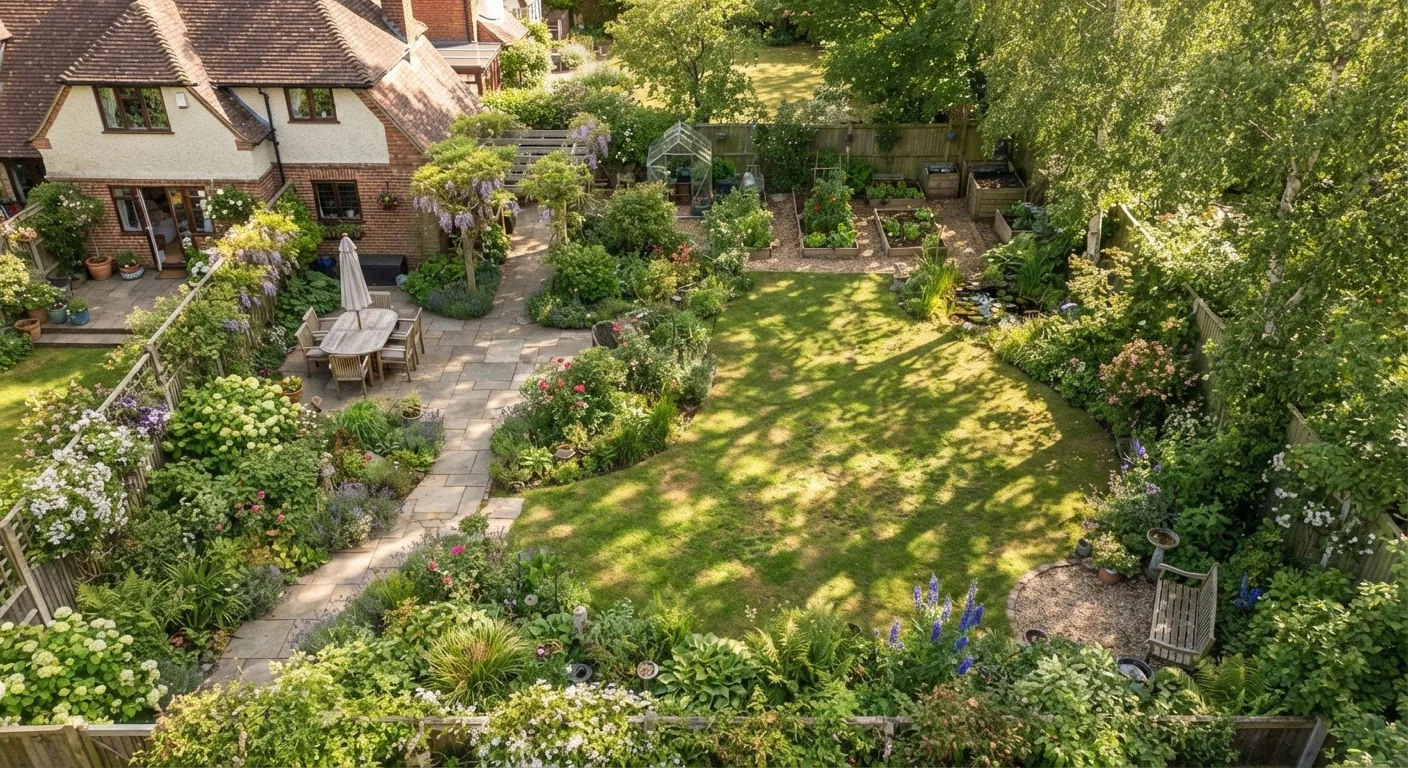
Photo credit: ResultsPoint.net | Find The Required Information
In this article
Full sun, part shade, dappled light—plant labels use these terms, but what do they mean in your specific yard? Here's how to find out.
Key Takeaways
- "Full sun" means at least six hours of direct sunlight per day; fewer hours changes what you can grow.
- Sun patterns shift with the seasons, so a spot that's sunny in spring may be shaded by summer foliage.
- Observing your yard at multiple times of day gives you the most reliable picture of its light conditions.
- Matching a plant's light requirement to your yard's actual conditions is the single biggest factor in whether it survives.
- House walls, fences, and trees all cast moving shadows that affect which sun category applies to a given spot.
Why Sunlight Assessment Comes Before Everything Else
Many first-time gardeners choose plants based on how they look in the store, then figure out placement later. This approach leads to a lot of struggling plants. Sunlight is the single condition that's hardest to change — you can amend soil, adjust watering, and add fertilizer, but you can't move the sun. Getting a clear read on your yard's light before you buy a single plant sets every other decision up to succeed.
Plant tags use standardized light terms because those thresholds are based on real photosynthesis research — plants need a minimum amount of light energy to produce food and grow properly. A tomato planted in four hours of sun instead of eight won't just be slower; it may fail to fruit at all. A fern planted in full afternoon sun won't look dramatic — it'll look scorched.
Once you know your light conditions, choosing the right plants becomes straightforward. It also makes soil selection and layout decisions much easier, since you're already thinking about each area of your yard as its own growing environment.
Decoding the Standard Light Labels
Plant labels use a handful of terms consistently. Here's what each one actually means:
- Full sun: Six or more hours of direct sunlight per day. Most vegetables, herbs, and many flowering perennials fall here.
- Part sun / Part shade: Three to six hours of direct sunlight. "Part sun" leans toward the higher end of that range; "part shade" toward the lower end, or conditions where afternoon sun is blocked.
- Full shade: Fewer than three hours of direct sun. This doesn't mean complete darkness — reflected light and bright indirect light still support shade-tolerant plants like hostas and ferns.
- Dappled shade: Broken, shifting light filtered through a tree canopy. Intensity varies throughout the day and is generally gentler than open sun.
One nuance worth knowing: when sun hits a spot matters, not just how much. Morning sun is cooler and softer; afternoon sun — especially from the west — is hotter and more intense. A plant rated for part shade may handle three hours of morning sun comfortably but struggle with the same amount of afternoon exposure.
6+ hrs
Daily sun required for "full sun" plants
This threshold is used consistently across horticultural guidelines and plant labeling standards to define the full sun category.
3–6 hrs
Daily sun for part sun or part shade
The distinction between "part sun" and "part shade" within this range relates to whether the plant prefers more or less direct exposure, particularly in the afternoon.
How to Map the Light in Your Yard
You don't need any special tools — just a clear day and a notepad (or your phone's notes app). Here's a simple method that works:
- Pick a sunny day and check each potential garden spot roughly every two hours from morning to evening.
- Note whether the spot is in full sun, partial sun, or shade at each check, and jot down the time.
- Count the total hours of direct sun that spot received. That number tells you which category it falls into.
- Repeat the process in midsummer if you're planning in early spring. A tree that leafs out in May can turn a once-sunny bed into a shady one by June.
Do Your Light Check Twice a Year
Spring and midsummer light conditions in the same yard can differ significantly. Deciduous trees are bare in early spring but fully canopied by June, potentially converting a sunny bed into a shaded one. If you're planning a new garden area, observe it in the season you intend to plant — not weeks before.
Pay attention to the direction structures face. South-facing walls and fences catch the most light in the Northern Hemisphere. A bed along a north-facing fence may stay in shadow almost all day even if the rest of your yard is bright. Checking your yard's orientation using a compass or a maps app gives you a useful baseline before you even start observing.
If you're deciding between planting in the ground or in raised beds, keep in mind that light mapping applies equally to both — see our overview of raised beds vs. in-ground planting for how that choice fits into your planning.
Putting It Into Practice Before You Plant
Once you've mapped your yard's light zones, you can match plants to spots with confidence instead of guesswork. Group your growing areas by category — full sun zones, part shade zones, and any deeper shade spots — and let that guide your plant selection from the start.
If your yard is mostly shaded, that's not a limitation — it's a design parameter. Shade gardens can be lush, layered, and low-maintenance once you work with the light rather than against it. Similarly, a hot, south-facing strip that bakes all afternoon is exactly right for drought-tolerant herbs and many natives that struggle in gentler conditions.
For a broader look at what else to consider before you dig in, the pre-planting checklist covers spacing, tools, and soil prep alongside light. And if any of the terminology on plant tags still feels unfamiliar, the beginner garden glossary is a useful quick reference to keep nearby.
Light mapping takes about one day and costs nothing. It's the kind of upfront effort that pays dividends every planting season after.
Frequently Asked Questions

Author
Home Editorial Team
Home Editorial Team is the collective byline for our editorial team and contributor network. Articles published under this byline or an editorial pen name are researched, written, and reviewed according to our editorial standards for clarity, consistency, and independence before publication.
View all articles →