
Raised Beds vs. In-Ground Planting: What Changes and What Doesn't
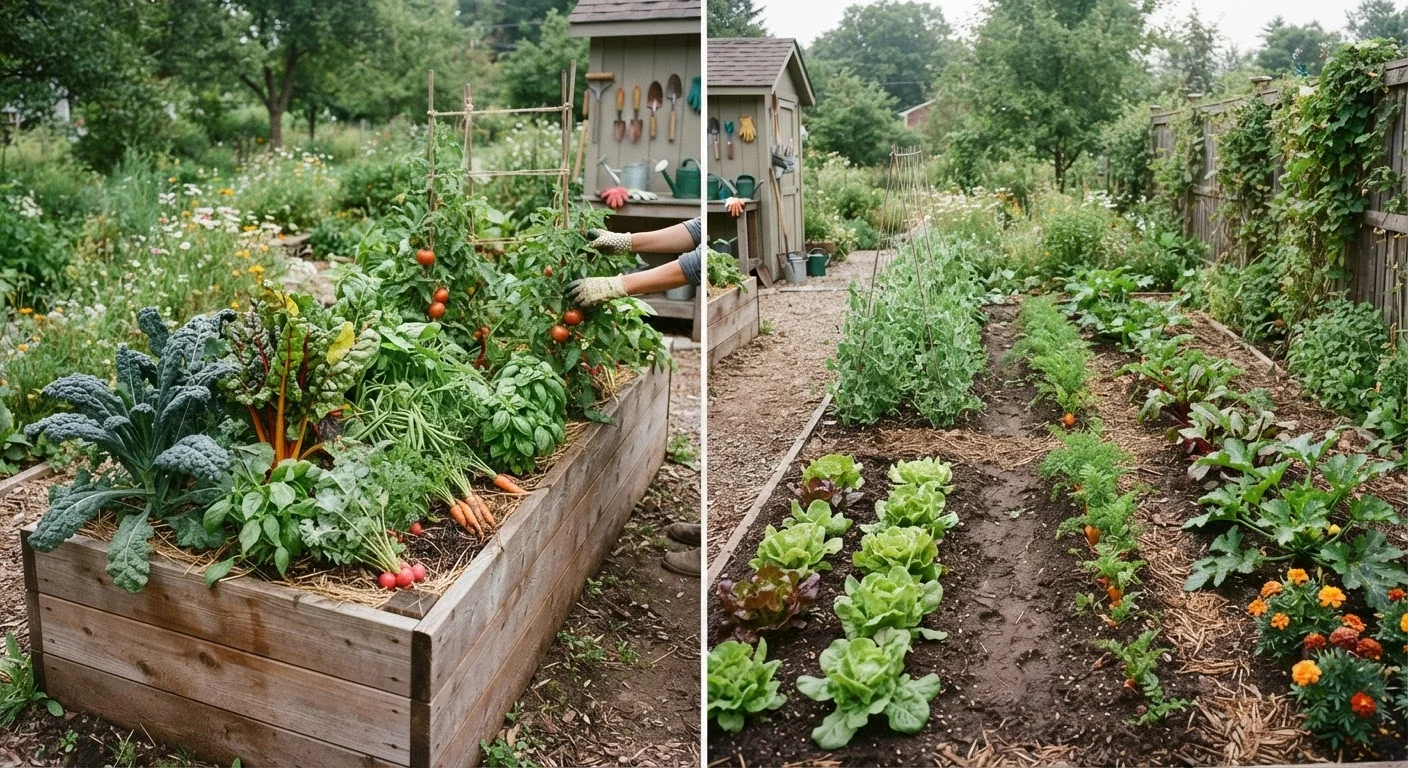
Photo credit: ResultsPoint.net | Find The Required Information
In this article
Raised beds and in-ground gardens each suit different yards, budgets, and goals. Compare the two approaches before you start digging.
Key Takeaways
- Raised beds give you control over soil quality and drain better than most native ground.
- In-ground planting costs less to start and scales more easily for large growing areas.
- Both methods require the same core principles: sunlight, water, and healthy soil.
- Soil quality is the single factor that most determines success in either setup.
- Your yard's existing conditions — drainage, compaction, slope — should guide the choice.
Why the Choice Matters Before You Dig
One of the first decisions new gardeners face isn't what to grow — it's where and how to grow it. Raised beds and in-ground plots look different, cost differently to set up, and behave differently over time. But they also share more in common than most beginners realize.
Before you buy lumber or grab a shovel, it helps to understand what each approach actually changes about the growing experience — and what stays the same no matter which path you choose. If you're starting from scratch, our guide to starting a vegetable garden from zero covers the broader basics worth reading alongside this comparison.
Where Raised Beds and In-Ground Planting Differ
The differences between the two methods are most visible at setup — and most felt in the first few seasons.
| Raised Beds | In-Ground Planting | |
|---|---|---|
| Upfront Cost | Higher (materials + soil fill) | Lower (minimal supplies needed) |
| Soil Control | Full control over mix | Work with existing soil |
| Drainage | Excellent, dries faster | Depends on native soil |
| Spring Warm-Up | Warms earlier | Slower to warm in spring |
| Watering Needs | More frequent watering | Less frequent in most soils |
| Physical Accessibility | Less bending, easier access | Requires kneeling or bending |
| Scalability | Costly to expand | Easy and inexpensive to expand |
| Weed Pressure (early on) | Lower in first season | Higher without mulching |
Soil Control
Raised beds let you fill the growing space with exactly the mix you want. That's a major advantage if your yard has clay-heavy, sandy, or compacted soil. In-ground planting means working with what's already there, which may require amending over time. Our article on what kind of soil your garden actually needs explains how to evaluate and improve any soil type.
Drainage and Warmth
Raised beds drain faster than ground-level plots and warm up earlier in spring — both benefits in cooler climates or wet yards. The trade-off is that they also dry out faster in summer, requiring more frequent watering.
Upfront Cost and Effort
In-ground planting has a much lower barrier to entry. You need little more than a trowel, compost, and seeds. Raised beds require materials for the frame plus enough quality soil mix to fill them — costs that add up quickly, especially for larger beds.
Physical Accessibility
A raised bed at the right height eliminates most bending and kneeling. For gardeners with back pain or mobility limitations, this alone can make raised beds the clear choice.
What Stays Exactly the Same
Here's the part beginners sometimes overlook: the method you choose doesn't change the core requirements of growing plants.
Test Before You Commit
If you're unsure about your native soil, a basic soil test — available at most cooperative extension offices — can tell you pH, nutrient levels, and texture. This one step can prevent a full season of frustration and help you decide whether amending in-ground soil or filling a raised bed makes more sense for your situation.
- Sunlight: Most vegetables need six or more hours of direct sun daily. Neither a raised bed nor an in-ground plot changes your yard's sun patterns. Read our guide on understanding sunlight in your yard before placing either type of garden.
- Consistent watering: Plants need steady moisture regardless of where they're planted. Raised beds may need more frequent watering; in-ground beds may need monitoring for drainage. The need itself doesn't go away.
- Healthy soil biology: Compost, organic matter, and soil microbes matter in both systems. The delivery is different; the goal is the same.
- Pest and disease management: Slugs, aphids, and fungal issues don't respect bed type. Good airflow, proper spacing, and plant health practices apply everywhere.
- Starting method: Whether you prefer seeds or seedlings is a separate decision entirely — our seeds vs. seedlings comparison can help you decide.
How to Make the Call for Your Yard
A few practical questions can point you in the right direction:
- What does your existing soil look like? Dig down six inches. If it's rocky, heavily compacted, or you suspect contamination (near old painted structures or former industrial land), raised beds are the safer and more practical option.
- How much are you planting? A small kitchen herb or salad garden fits comfortably in a raised bed. A large vegetable plot meant to feed a family through summer is far easier and cheaper to establish in the ground.
- What's your budget? In-ground planting wins on cost. If budget is the main constraint, start in-ground and improve the soil gradually with compost.
- Do you want lower-maintenance plants long-term? Native plants adapted to your region often do best in-ground, where their roots can spread naturally. Our piece on native plants in a home garden explores why they're worth considering.
There's no wrong answer — both methods can produce a productive, satisfying garden. The best setup is the one that fits your actual yard, not the one that looks best in a magazine.

Author
Home Editorial Team
Home Editorial Team is the collective byline for our editorial team and contributor network. Articles published under this byline or an editorial pen name are researched, written, and reviewed according to our editorial standards for clarity, consistency, and independence before publication.
View all articles →