
Seeds vs. Seedlings: Which Starting Method Works Better for New Gardeners?
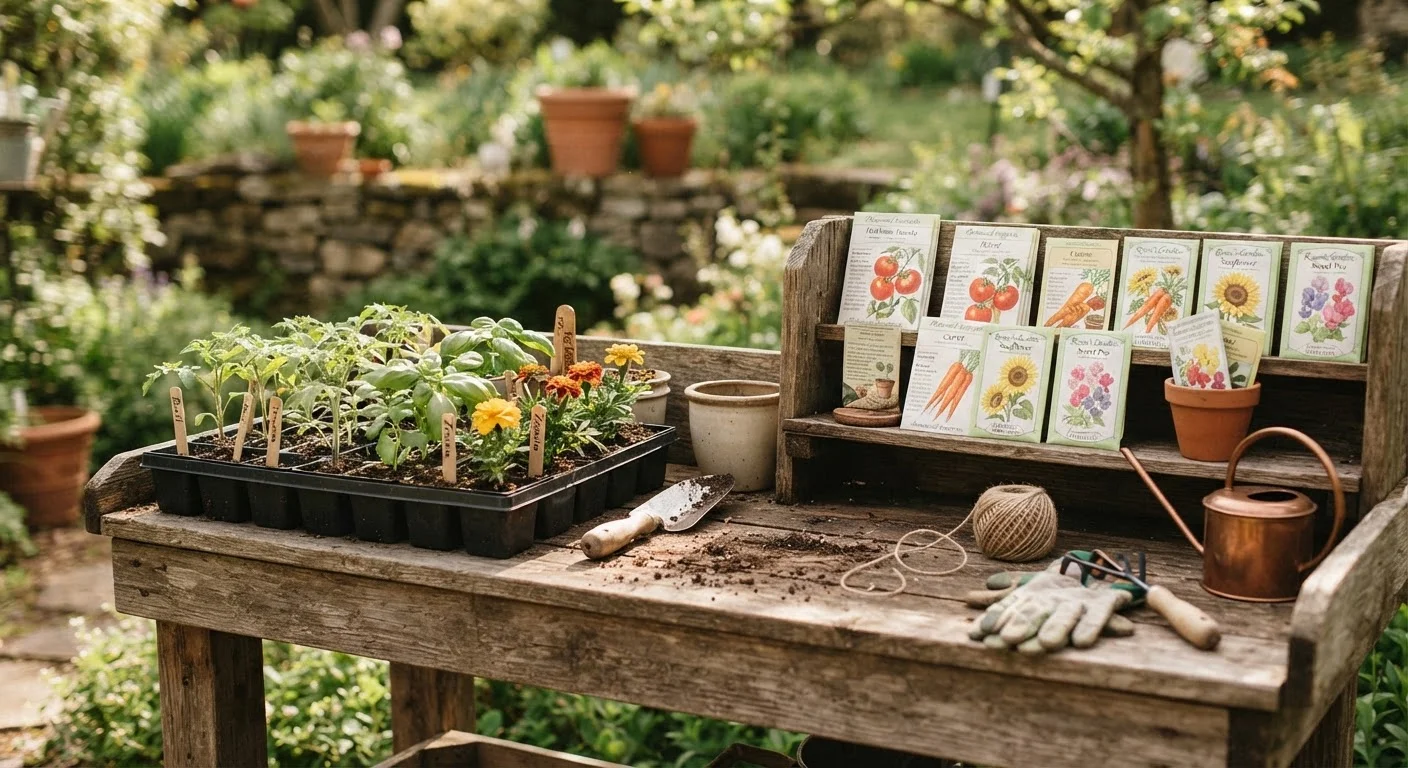
Photo credit: ResultsPoint.net | Find The Required Information
In this article
Starting plants from seed and buying seedlings both have real trade-offs. Here's how to decide which approach fits your garden and schedule.
Key Takeaways
- Seeds cost less upfront but require more time, equipment, and attention to germinate successfully.
- Seedlings give beginners a head start and reduce the risk of early crop failure.
- Some vegetables — like carrots and beans — strongly prefer to be direct-sown rather than transplanted.
- Your local climate and the length of your growing season should heavily influence which method you choose.
- Many experienced gardeners use both methods depending on the crop.
What's Actually Different Between the Two Methods
When you start from seed, you're responsible for every stage of a plant's life — from germination to transplant. That means providing the right warmth, moisture, and light for tiny sprouts that have no tolerance for neglect. When you buy seedlings (also called transplants), a nursery has already done that delicate early work. You're essentially picking up the plant at a stable, easier-to-manage stage.
Neither method is objectively better. The right choice depends on what you're growing, how much time you have, and how much uncertainty you're comfortable managing. If you're just getting started, see our complete beginner's vegetable garden guide for broader context before you commit to either path.
| Criterion | Starting from Seed | Buying Seedlings |
|---|---|---|
| Upfront cost | Low (per plant) | Higher (per plant) |
| Variety selection | Extremely wide | Limited to nursery stock |
| Time to garden-ready | Weeks to months | Ready to plant immediately |
| Skill level needed | Moderate to high | Low |
| Equipment required | Trays, grow lights, seed-starting mix | Minimal |
| Best crops | Roots, beans, heirlooms | Tomatoes, peppers, brassicas |
| Risk of early failure | Higher | Lower |
The Case for Starting from Seed
Seeds offer something seedlings can't: access to an enormous range of plant varieties. Retail nurseries stock only the most popular types. Seed catalogs, by contrast, carry hundreds of tomato varieties alone — including heirlooms, low-acid types, and unusual colors you'll never find as transplants.
Cost is another advantage. A packet of seeds typically yields far more plants than buying the equivalent number of seedlings, making seeds a sensible choice when you want to grow in volume. That said, seeds do require more infrastructure. Most warm-season crops (like tomatoes and peppers) need to be started indoors weeks before the last frost, which means grow lights or a very sunny south-facing window, seed-starting mix, and trays. Getting the right growing medium matters from day one.
Some crops should almost always be direct-sown from seed — meaning planted straight into the garden rather than started indoors and transplanted. Carrots, beets, radishes, beans, peas, and corn all fall into this category because their roots or growth habits don't adapt well to being moved. For these vegetables, buying seedlings isn't just unnecessary — it's often counterproductive.
6–8 weeks
Indoor seed-start lead time before last frost
Most warm-season crops like tomatoes and peppers need this head start indoors before they can be safely transplanted outside.
~10x
More plants per dollar from seed vs. seedlings
General gardening guidance consistently notes that seed-starting costs significantly less per plant than purchasing nursery transplants, though exact savings vary by crop and region.
The Case for Buying Seedlings
Seedlings remove the hardest part of gardening for most beginners: getting something to actually sprout and survive its first weeks. Germination failure is one of the most discouraging experiences for new growers, and seedlings sidestep it entirely. You pay a bit more per plant, but you get something you can see, touch, and confidently put in the ground.
For gardeners in northern states with short summers, seedlings are also practically necessary. Warm-season crops like tomatoes need a long growing season, and starting them from seed indoors requires timing your planting around frost dates with some precision. Buying nursery-grown seedlings means someone else managed that window. Pair this with a seasonal planting calendar to know exactly when to put your transplants in the ground.
The main limitations of seedlings are selection and cost. You're limited to what's on the shelf at your local nursery, which tends to favor popular hybrid varieties. And buying enough seedlings to fill a large garden adds up quickly compared to seeds. Still, for a first-year gardener planting a modest plot, seedlings are a reliable, confidence-building choice.
Hardening Off: A Step You Can't Skip
Whether you start your own seedlings indoors or buy them from a nursery, they need a period called 'hardening off' before they move outside permanently. This means gradually exposing plants to outdoor conditions — wind, direct sun, temperature swings — over seven to ten days. Skipping this step can shock plants and stall their growth significantly. Start with an hour or two outside in a sheltered spot, then increase exposure daily.
How to Decide — and When to Use Both
A practical approach many gardeners settle into: use seedlings for crops where early establishment matters most (tomatoes, peppers, eggplant, broccoli, cauliflower) and direct-sow seeds for crops that prefer it (beans, squash, cucumbers, root vegetables). This hybrid strategy plays to the strengths of each method and reduces the pressure on any one approach.
Think about your own constraints honestly. Do you have a south-facing windowsill or space for a grow light setup? Do you have six to eight weeks before your last frost date to start seeds indoors? If not, seedlings are likely the wiser starting point. If you're curious about heirlooms or specialty varieties, adding a few seed-grown plants alongside purchased transplants is a low-risk way to experiment.
Whether you choose seeds, seedlings, or a mix of both, your success will hinge on fundamentals: healthy soil, proper spacing, consistent watering, and timing. It's also worth revisiting common garden myths so you're not working against advice that sounds plausible but doesn't hold up. And if you're weighing how your plants will be housed, take a look at raised beds versus in-ground planting — it's another foundational decision that affects how you'll manage both seeds and transplants.

Author
Home Editorial Team
Home Editorial Team is the collective byline for our editorial team and contributor network. Articles published under this byline or an editorial pen name are researched, written, and reviewed according to our editorial standards for clarity, consistency, and independence before publication.
View all articles →