
Starting a Vegetable Garden From Zero
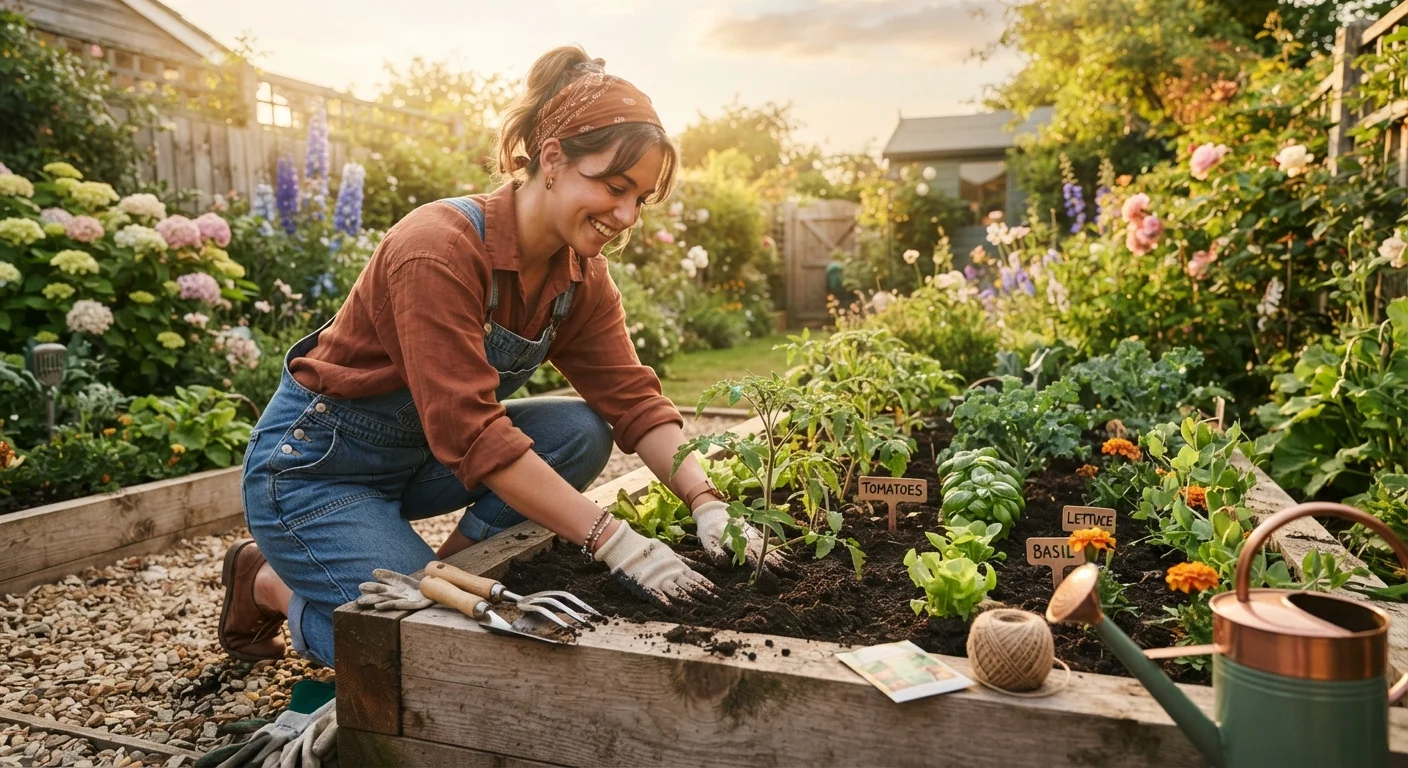
Photo credit: ResultsPoint.net | Find The Required Information
In this article
Never grown food before? This guide walks through everything a first-time vegetable gardener needs to know, from plot selection to first harvest.
Key Takeaways
- Most vegetables need at least six hours of direct sunlight daily — location is everything.
- Healthy, well-draining soil is the single biggest factor in a productive vegetable garden.
- Start small with forgiving crops like lettuce, radishes, and bush beans to build confidence.
- Consistent, deep watering is more effective than frequent shallow watering.
- Timing plantings to your local frost dates dramatically improves your chances of success.
Choosing the Right Spot
Before buying a single seed, walk your yard or outdoor space and observe where sunlight falls throughout the day. Most food crops — tomatoes, beans, peppers, squash — need a minimum of six hours of direct sunlight daily. Leafy greens like lettuce and spinach tolerate as few as four hours, making them a good fit for partially shaded spots.
Beyond light, think about proximity to a water source. Dragging a hose across a large yard every other day gets old quickly, and a conveniently located garden is far more likely to be tended regularly. Also check that the ground doesn't pool water after rain; consistently soggy soil suffocates plant roots.
If your yard space is limited or the soil is poor, a raised bed or containers are solid alternatives. See our guide to container gardening for how to grow food on balconies and patios.
Start Smaller Than You Think
First-time gardeners almost always underestimate the time commitment of a large plot. A 4×8-foot raised bed or even a few containers is plenty for a first season. A small, well-maintained garden will consistently outperform a large, neglected one — and you'll enjoy the experience far more.
Preparing Your Soil
Soil quality matters more than any other variable in vegetable gardening. Good garden soil is loose enough for roots to penetrate easily, drains excess water without drying out too fast, and contains enough organic matter to feed your plants steadily.
Start by digging or tilling the bed to a depth of about 12 inches. Then work in a generous amount of compost — roughly 2 to 4 inches spread across the surface and mixed in. Compost improves drainage in heavy clay soils, adds water-holding capacity to sandy soils, and supplies a slow release of nutrients regardless of soil type.
You don't need a soil test your first season, but it can reveal pH imbalances or major nutrient gaps. Most vegetables prefer a slightly acidic to neutral pH, around 6.0 to 7.0. Many local cooperative extension offices offer inexpensive soil testing services.
Compost
Decomposed organic material — such as food scraps and plant matter — that enriches soil with nutrients and improves its texture.
Frost date
The average date of the last freezing temperature in spring (or first in fall) for a given location, used to time planting safely.
Direct sow
Planting seeds straight into the garden bed rather than starting them indoors or buying transplants.
Transplant
A young plant that was started in a pot or tray and then moved into the garden — also called a seedling.
Mulch
A layer of material — such as straw, wood chips, or shredded leaves — spread on the soil surface to retain moisture and suppress weeds.
pH
A measure of how acidic or alkaline your soil is, on a scale from 0 to 14. Most vegetables grow best when pH is between 6.0 and 7.0.
Picking Beginner-Friendly Vegetables
The best first crops are ones that reward relatively little effort with a visible, edible result. Here are strong starting choices:
- Lettuce and salad greens — fast-growing, harvestable in as little as 30 days, and tolerant of cool weather.
- Radishes — often ready in three weeks, making them an ideal first win for impatient gardeners.
- Bush beans — low-maintenance, don't need staking, and produce generously over several weeks.
- Zucchini — grows vigorously with minimal fuss; one or two plants feed most households.
- Cherry tomatoes — more forgiving than large-fruiting varieties and prolific through summer.
Avoid starting with anything that demands highly specific conditions: melons require long hot seasons, celery is notoriously finicky, and corn needs large blocks to pollinate properly. Get a harvest or two under your belt first.
Timing your plantings correctly is equally important. Our seasonal planting calendar breaks down when to sow and transplant by time of year.
Planting, Watering, and Basic Care
When it comes to starting plants, you can either sow seeds directly into the garden or purchase young seedlings (also called transplants) from a nursery. Each approach has trade-offs around cost, timing, and effort — the seeds vs. seedlings guide can help you decide which fits your situation.
Follow spacing guidelines on seed packets and plant labels — crowding is one of the most common beginner mistakes. Crowded plants compete for light, water, and nutrients, and poor airflow between them invites disease.
Watering: Aim for about one inch per week. Water at the base of plants, not overhead, to reduce the risk of fungal problems. A slow, deep soak two or three times a week encourages roots to grow downward rather than staying shallow near the surface.
Weeding: Pull weeds while they're small — they're far easier to remove before they establish deep roots or set seed. A thin layer of mulch (straw, shredded leaves, or wood chips) suppresses weeds and retains soil moisture simultaneously.
Don't Overwater — It's a Common Mistake
More vegetable gardens are harmed by overwatering than by drought. Constantly wet soil deprives roots of oxygen and encourages rot and fungal disease. Before watering, push a finger an inch or two into the soil — if it still feels moist, wait another day before watering again.
Troubleshooting Your First Season
Even well-tended gardens encounter problems. Yellowing leaves often signal overwatering or a nitrogen deficiency. Holes in leaves usually point to insect feeding — inspect the undersides of leaves, where most pests hide. Wilting during the heat of the day isn't always alarming, but plants should recover by evening; persistent wilting despite moist soil can indicate root rot.
Pests are a normal part of gardening, not a sign of failure. Many can be managed without reaching for harsh chemicals — hand-picking larger insects, encouraging beneficial insects, and keeping the garden tidy removes many common problems before they escalate. Our guide to low-chemical pest management covers practical strategies in detail.
Be cautious about gardening advice you find online — not all of it holds up. Our overview of common garden myths separates well-established practices from popular misconceptions. Above all, keep notes on what you planted, when you watered, and what worked. A simple garden journal becomes invaluable by your second season.
Frequently Asked Questions

Author
Home Editorial Team
Home Editorial Team is the collective byline for our editorial team and contributor network. Articles published under this byline or an editorial pen name are researched, written, and reviewed according to our editorial standards for clarity, consistency, and independence before publication.
View all articles →