
Container Gardening: Growing Plants Without a Yard
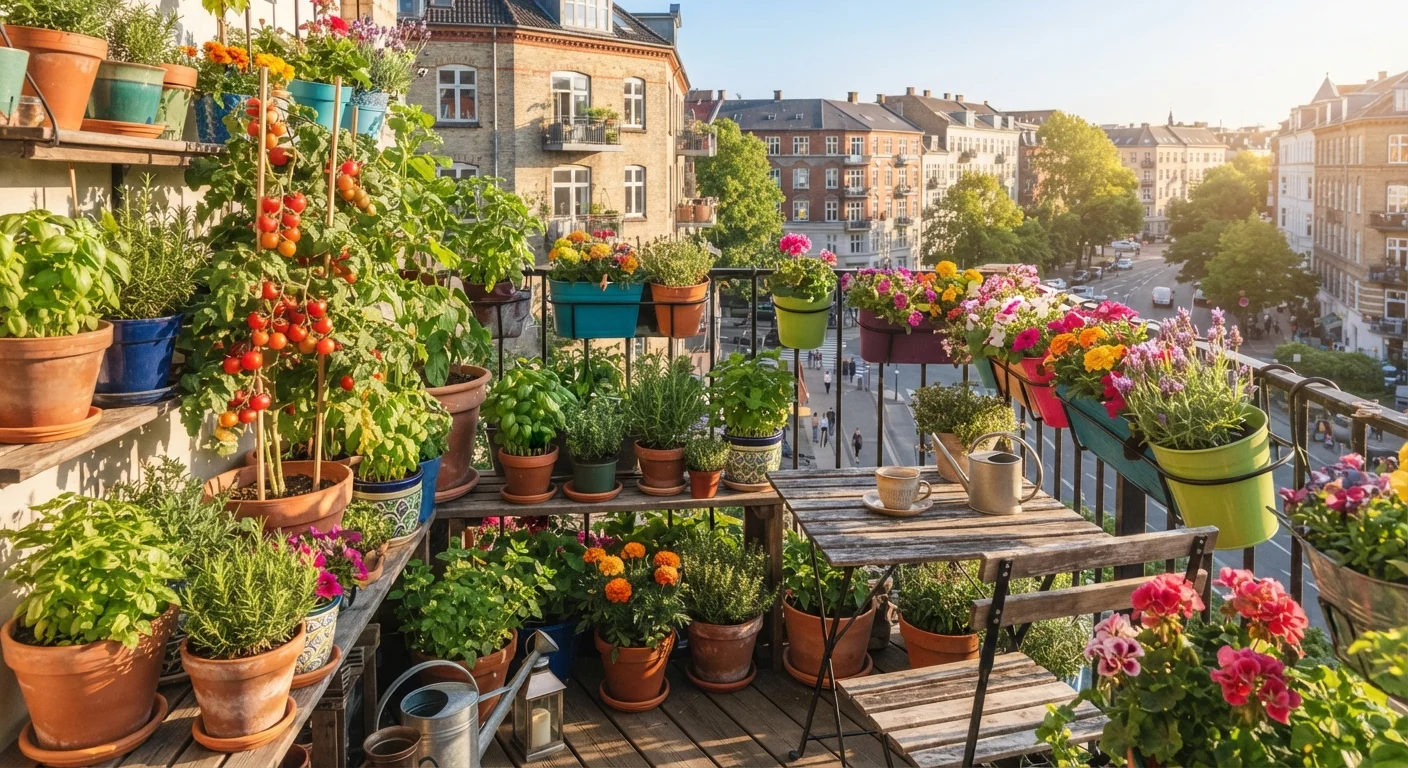
Photo credit: ResultsPoint.net | Find The Required Information
In this article
Balconies, patios, and windowsills can support a thriving garden. A practical walkthrough of container gardening for small spaces.
Key Takeaways
- Container gardening works on balconies, patios, windowsills, and any sunny outdoor spot.
- Drainage holes and quality potting mix are non-negotiable for healthy container plants.
- Most herbs, many vegetables, and countless flowers thrive in pots when sized correctly.
- Containers dry out faster than garden beds, so watering frequency needs to increase accordingly.
- Moving containers seasonally lets you extend the growing period and protect plants from frost.
Why Container Gardening Works
Not having a yard is no longer a barrier to growing your own plants. Container gardening — growing plants in pots, planters, window boxes, or any vessel that holds soil — puts gardening within reach of apartment dwellers, renters, and anyone with limited outdoor space.
The appeal goes beyond convenience. Containers give you direct control over soil quality, drainage, and placement, which means you can often produce healthier plants than a patch of poor in-ground soil would allow. If you've ever thought about starting a vegetable garden from scratch but felt held back by space, containers are a practical first step.
80%
U.S. households interested in food gardening
According to the National Gardening Association, roughly 80% of American households show interest in growing some of their own food.
35M+
Americans who garden in containers
Industry surveys estimate that tens of millions of U.S. gardeners use containers as their primary or only growing method.
6 hrs
Daily sunlight most vegetables need
University extension services consistently cite at least six hours of direct sun as the threshold for productive fruiting crops.
Choosing the Right Containers
The most important rule: every container must have at least one drainage hole. Without it, water pools at the roots, causes rot, and kills plants quickly. Beyond that, your options are wide open.
- Terracotta pots are porous, which helps prevent overwatering but means they dry out faster in hot weather.
- Plastic and resin containers retain moisture longer and are lighter — useful for balconies with weight limits.
- Fabric grow bags promote excellent air circulation around roots, which can improve plant health.
- Window boxes are ideal for herbs, trailing plants, and compact flowers on railings or ledges.
Size matters. A pot that's too small restricts root growth and dries out within hours on a warm day. As a general rule, most vegetables need containers at least 12 inches deep; herbs can manage in 6–8 inches. If you're on a balcony, check the load capacity before placing heavy ceramic or stone pots.
Upcycle Everyday Containers
Colanders, wooden crates lined with landscape fabric, and even old buckets with holes punched in the bottom all work as planters. The only requirement is drainage. Starting with what you already own keeps costs low while you experiment with which plants work best for your space.
Soil and Drainage: The Foundation of Success
Never fill containers with soil dug from the ground. Garden soil compacts in pots, smothers roots, and drains poorly. Instead, use a commercial potting mix — a blend formulated specifically for containers that stays loose and drains well.
For vegetables and herbs, look for a mix that includes compost for nutrients. You can also blend in a small amount of home-made compost if you've been composting kitchen scraps — it enriches the mix and helps beneficial microbes establish.
To improve drainage further, you can add perlite (a lightweight volcanic mineral) at roughly 20% of the total mix volume. This keeps the mix from becoming waterlogged after heavy watering. Skip the old advice about placing gravel in the bottom of pots — research has shown this actually raises, rather than lowers, the point at which water pools inside the container.
Potting Mix vs. Potting Soil
These terms are often used interchangeably on store shelves, but they're not always identical. Potting mix is typically peat- or coir-based, lightweight, and free of actual soil — better suited for containers. Potting soil may contain more mineral soil, making it denser. Read the label and choose one marketed specifically for container or indoor use to ensure good drainage.
Best Plants for Containers
A wide range of edibles and ornamentals perform well in pots. Here's a reliable starting list:
Edibles
- Herbs: Basil, mint, chives, parsley, and cilantro are among the easiest. Keep mint in its own pot — it spreads aggressively.
- Salad greens: Lettuce, spinach, and arugula grow fast, tolerate partial shade, and can be harvested repeatedly.
- Cherry tomatoes: Compact or dwarf varieties are bred for containers. They need a large pot (at least 15 inches wide) and a stake or cage.
- Peppers and chili peppers: Well-suited to containers; they enjoy warmth and can be brought indoors before frost.
- Radishes and green onions: Quick-growing and shallow-rooted — good for smaller pots.
Ornamentals
- Petunias, marigolds, and geraniums offer colour and are forgiving of beginner mistakes.
- Succulents are nearly indestructible in well-draining mix and low-water conditions.
For more on timing your plantings, the year-round garden calendar for beginners explains when to sow and transplant across seasons.
Plant a 'thriller, filler, spiller' combination in large decorative pots: one tall focal plant, compact mid-height plants to fill in, and a trailing variety to drape over the edge. It maximises visual impact and uses vertical space efficiently.
This classic container design principle, widely taught by horticulture educators, helps beginners create balanced, productive arrangements rather than overcrowding with similar-sized plants.
Self-watering containers — those with a built-in water reservoir at the base — are worth considering if you travel frequently or tend to forget to water. The plant draws moisture up as needed, reducing stress from irregular watering.
Consistent moisture is one of the most critical factors in container plant health; self-watering designs have been shown in horticultural studies to reduce drought-stress incidents significantly.
Watering and Feeding Your Container Garden
Containers dry out significantly faster than ground soil because roots are exposed to heat on all sides and there's no surrounding earth to retain moisture. Check the soil daily during summer by pressing your finger about an inch into the mix — if it feels dry, water thoroughly until it drains from the bottom holes.
During peak heat, some containers may need watering every day. Grouping pots together slightly slows moisture loss and creates a more humid microclimate for the plants.
Because frequent watering flushes nutrients from the potting mix, container plants need regular feeding. A balanced, slow-release granular fertilizer worked into the potting mix at planting covers the first few weeks. After that, a diluted liquid fertilizer applied every two to three weeks during the growing season helps maintain steady growth. Always follow the product label's directions and avoid over-fertilizing, which can burn roots.
“Containers allow gardeners to create optimal growing conditions almost anywhere — it's not about having the right space, it's about using the space you have effectively.”
— Elisabeth Ginsburg, Horticultural writer and garden educator
Sunlight, Placement, and Seasonal Adjustments
Most fruiting vegetables and herbs need a minimum of six hours of direct sunlight per day. Leafy greens and some herbs (mint, parsley, cilantro) tolerate three to four hours and are better suited to shadier spots.
One of container gardening's biggest advantages over fixed beds is mobility. You can move pots to follow the sun across a balcony or patio as the season changes. In autumn, moving tender plants indoors or against a wall before the first frost can extend the growing season by several weeks.
If you're weighing container gardening against other approaches, our guide to raised beds vs. in-ground planting offers a useful comparison of each method's trade-offs.
Common Container Gardening Mistakes to Avoid
Even straightforward container gardening has a few reliable failure points. Knowing them in advance saves a lot of frustration.
- Undersized containers: Plants become root-bound quickly in small pots, stunting growth and requiring constant watering.
- Ignoring drainage: A beautiful pot without a drainage hole is a recipe for root rot. Drill one if necessary, or use the decorative pot as an outer shell (cache pot) with a functional inner pot.
- Using garden soil: As covered above, it compacts and drains poorly in containers.
- Irregular watering: Letting soil swing between bone-dry and waterlogged stresses plants, makes them more vulnerable to disease, and causes problems like blossom-end rot in tomatoes.
- Crowding too many plants into one pot: It looks full and lush at planting, but plants quickly compete for water, nutrients, and light.
It's also worth checking out the common garden myths that trip up new growers — a number of popular tips, like adding coffee grounds directly to pots, don't hold up as well as claimed.
Watch for Balcony Weight Limits
Large containers filled with wet potting mix can be surprisingly heavy — a 15-gallon pot with saturated soil can weigh well over 100 pounds. Before placing multiple large containers on a balcony or deck, check the structure's rated load capacity, which is typically listed in building documentation or available from your landlord or building manager. Distributing weight toward structural supports (walls and beams) rather than the middle of the deck reduces risk.

Author
Home Editorial Team
Home Editorial Team is the collective byline for our editorial team and contributor network. Articles published under this byline or an editorial pen name are researched, written, and reviewed according to our editorial standards for clarity, consistency, and independence before publication.
View all articles →