
Planting by Season: A Year-Round Garden Calendar for Beginners
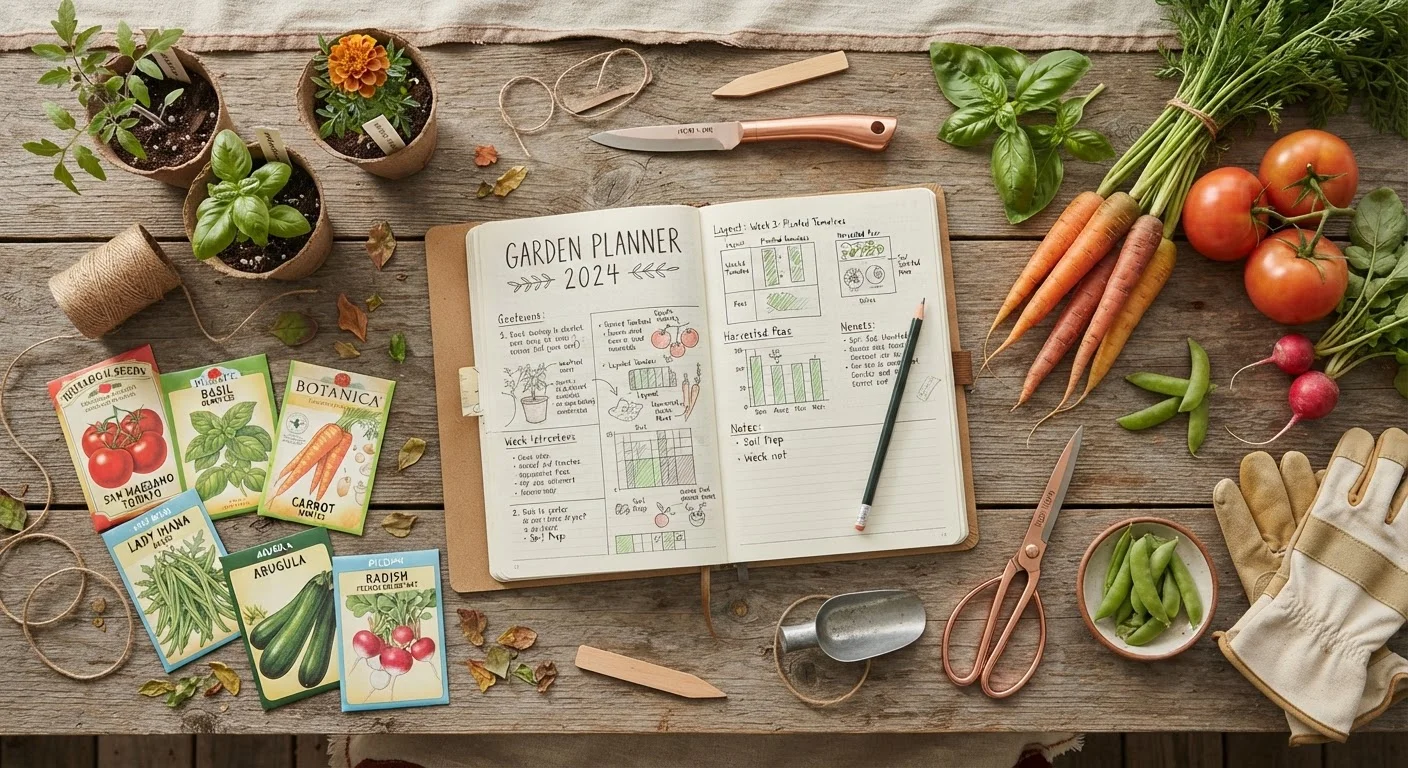
Photo credit: ResultsPoint.net | Find The Required Information
In this article
Timing matters in gardening. This seasonal overview helps beginners know when to sow, transplant, harvest, and prepare for the next cycle.
Why Timing Is Everything in the Garden
One of the most common beginner mistakes isn't choosing the wrong plant — it's planting at the wrong time. Each crop has a temperature window where it germinates, grows, and produces reliably. Plant too early and frost kills young seedlings; plant too late and summer heat stresses cool-season crops before they mature.
A seasonal calendar gives you a reliable framework so you're not guessing. It won't replace knowing your local last frost date (the average date in spring after which freezing temperatures are unlikely) and first fall frost date, but it gives you a practical structure to work from. You can find both dates for your ZIP code through your local Cooperative Extension Service.
If you're brand new to food gardening, our beginner's vegetable garden guide covers everything from plot selection to harvest before you dig in here.
| Cool-season crop planting window | 4–6 weeks before last spring frost (General horticultural guideline) |
| Warm-season transplant threshold | Nighttime temps consistently above 50°F (General horticultural guideline) |
| Average weekly water need (vegetables) | ~1 inch per week (University Extension Services, general guidance) |
| Garlic planting time | 6–8 weeks before first fall frost (General horticultural guideline) |
| Hardening-off period for seedlings | 7–10 days before transplanting outdoors (General horticultural guideline) |
| Where to find your frost dates | Local Cooperative Extension Service by ZIP code |
Season-by-Season Planting Guide
Spring: Sow, Transplant, and Build Momentum
Spring is the busiest garden season. Start cool-season crops — lettuce, spinach, peas, radishes, and kale — outdoors 4–6 weeks before your last frost date. These plants actually prefer soil temperatures between 45°F and 65°F and will bolt (go to seed prematurely) in summer heat.
Once nighttime temperatures consistently stay above 50°F, it's safe to transplant warm-season seedlings like tomatoes, peppers, and squash that you've been starting indoors. Harden them off first by setting them outside in a sheltered spot for a few hours each day over 7–10 days before fully planting out.
Summer: Maintain, Harvest, and Succession Plant
Summer is maintenance and harvest season. Water consistently — most vegetable gardens need about 1 inch of water per week. Mulch around plants to retain moisture and suppress weeds.
Keep harvesting crops like beans, zucchini, and cucumbers frequently; leaving overripe fruit on the plant signals it to stop producing. By midsummer, sow a second round of quick-maturing crops (radishes, bush beans, and beets) for a fall harvest. This is called succession planting.
Fall: Cool-Season Comeback and Cleanup
As temperatures drop back into the 45–65°F range, cool-season crops shine again. Plant spinach, arugula, and garlic (for next year's harvest) 6–8 weeks before your first fall frost. Many gardeners find fall crops even more flavorful because light frost sweetens brassicas and root vegetables.
After the last harvest, pull spent plants, add compost to your beds, and consider planting a cover crop — fast-growing plants like winter rye or clover that protect and enrich bare soil over winter.
Winter: Rest, Plan, and Prepare
Most outdoor growing pauses in winter, but the season isn't wasted. Order seeds from catalogs, sketch next year's bed layout, and test your soil so you know what amendments to add come spring. In mild climates (USDA Zones 8–10), winter vegetables like chard, carrots, and some brassicas can continue growing with minimal protection.
Unsure whether to start seeds yourself or buy transplants in spring? Our guide on seeds vs. seedlings breaks down the trade-offs clearly.
Last frost date
The average date in spring after which freezing temperatures (32°F or below) are unlikely in your area. It's a statistical estimate, not a guarantee, so watch local forecasts.
Hardening off
The process of gradually acclimatizing indoor-grown seedlings to outdoor conditions — sun, wind, and temperature swings — before permanently transplanting them. Typically takes 7–10 days.
Succession planting
Sowing the same crop in batches spaced a few weeks apart, or swapping out finished crops with new ones, so you have a continuous harvest rather than one large glut.
Cover crop
A fast-growing plant (such as winter rye or clover) sown in empty beds to prevent erosion, suppress weeds, and add organic matter or nitrogen back into the soil.
Bolting
When a plant shifts energy from leaf or root growth into producing flowers and seeds — usually triggered by heat or long days. Bolted crops like lettuce turn bitter and are no longer ideal for harvest.
USDA Hardiness Zone
A geographic classification based on average annual minimum winter temperatures, used to determine which plants are likely to survive in a given region of the United States.
Adapting the Calendar to Your Space and Zone
No single calendar fits every garden in the country. A gardener in Minnesota and one in Georgia operate on very different timelines. The USDA Plant Hardiness Zone Map divides the country into zones based on average minimum winter temperatures — knowing your zone helps you select plants and adjust timing. The Cooperative Extension Service in your state publishes region-specific planting calendars that are far more precise than any national guide.
If you're working with a small space or no traditional garden bed, the seasonal principles still apply. Container gardens follow the same frost-date logic as in-ground beds. Our container gardening guide shows how to apply these same seasonal rhythms on a balcony or patio.
Before your first official planting day each season, run through a quick pre-planting checklist — checking soil prep, spacing, and watering setup. See our pre-planting checklist to make sure nothing gets missed.
Frost Dates Are Averages, Not Guarantees
Last and first frost dates are historical averages — actual weather varies year to year. Always check a 10-day local forecast before transplanting tender seedlings in spring or leaving late crops unprotected in fall. A simple row cover or cold frame can buy you several extra weeks of protection at both ends of the season.

Author
Home Editorial Team
Home Editorial Team is the collective byline for our editorial team and contributor network. Articles published under this byline or an editorial pen name are researched, written, and reviewed according to our editorial standards for clarity, consistency, and independence before publication.
View all articles →