
Pest Management in a Backyard Garden Without Harsh Chemicals
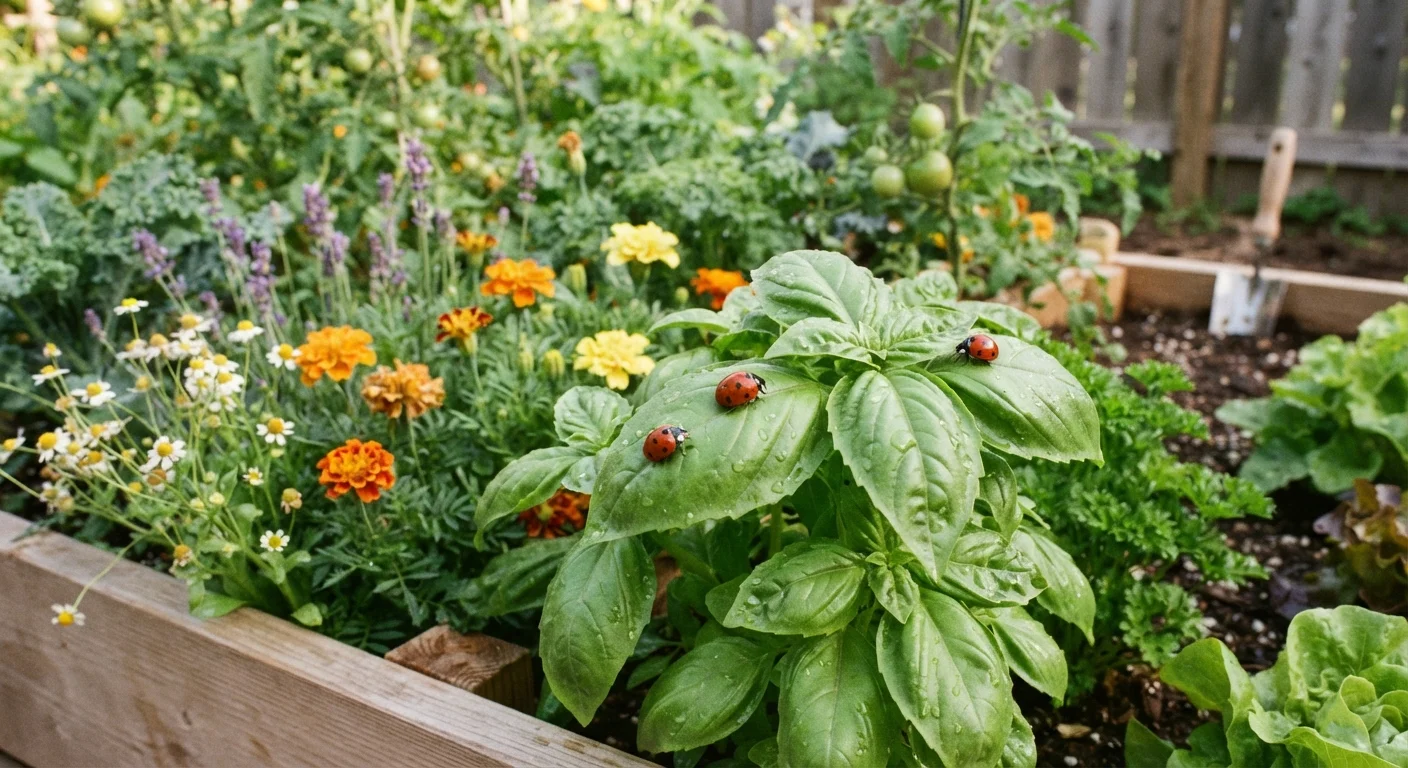
Photo credit: ResultsPoint.net | Find The Required Information
In this article
Bugs and critters don't have to derail your garden. Explore practical, low-chemical strategies for keeping common pests in check.
Key Takeaways
- Healthy soil and well-chosen plants are your first and strongest line of pest defense.
- Beneficial insects like ladybugs and lacewings naturally control common garden pests.
- Physical barriers such as row covers and sticky traps stop many pests before they establish.
- Companion planting can reduce pest pressure by confusing or repelling unwanted insects.
- Early detection through regular scouting prevents minor pest issues from becoming major problems.
Why Skip the Harsh Chemicals?
Strong synthetic pesticides can do more harm than good in a backyard garden. They often kill beneficial insects — including bees that pollinate your crops and predatory bugs that eat the pests you're trying to eliminate. Residues can also linger in soil and run off into nearby waterways. The good news: most common backyard pest problems are manageable without reaching for a chemical spray. A layered approach that starts with prevention and leans on nature's own tools is often more effective over the long run.
If you're just getting started growing food, our beginner's guide to starting a vegetable garden covers the foundational steps that set you up for a healthier, lower-pest growing season from day one.
Build a Garden That Resists Pests
The most effective pest management starts before any bug arrives. Strong, well-nourished plants are naturally more resilient to insect damage and disease. Focus on these fundamentals:
Feed your soil with compost to grow stronger, more pest-resistant plants.
Plants grown in nutrient-rich, well-structured soil develop thicker cell walls and stronger immune responses, making them less attractive targets for sap-sucking insects. Compost also supports beneficial soil microbes that keep roots healthy. Weak, stressed plants are far more vulnerable to pest outbreaks.
Plant pest-deterring companion plants alongside your vegetables.
Certain plants release compounds that confuse or repel common pests, while others attract beneficial predatory insects. Mixing these strategically throughout your beds reduces pest pressure without any spraying. It also adds biodiversity that supports a more balanced garden ecosystem.
Rotate crop families to different beds each season.
Many soil-dwelling pests and diseases overwinter in the exact spots where their preferred host plants grew the previous year. Moving plant families — for example, not planting tomatoes where peppers grew last year — breaks that cycle and reduces buildup of pest populations specific to those crops.
Use physical barriers to exclude pests before they reach your plants.
Row covers, copper tape, and fine mesh netting physically prevent pests from reaching plants without any chemical intervention. They are especially effective for flying insects, slugs, and small crawling pests during vulnerable seedling stages.
Attract and protect beneficial insects that prey on garden pests.
Ladybugs, lacewings, parasitic wasps, and ground beetles are natural predators of aphids, caterpillar eggs, and other common pests. Encouraging them means your garden polices itself. Avoiding broad-spectrum sprays — even organic ones — is key, because many kill beneficials alongside pests.
Scout Weekly, Not Just When You See Damage
Regular walkthroughs — ideally twice a week — let you catch problems at the egg or early nymph stage, when hand-removal is easy and effective. By the time visible leaf damage appears, a pest population may already be well established. A consistent scouting habit is one of the simplest and highest-impact habits in low-chemical pest management.
Companion planting is one of the most practical and well-studied low-chemical strategies available to home gardeners. To learn which pairings actually work — and which popular combinations are overrated — see our article on plants that tend to thrive together.
Hands-On Tactics That Actually Work
Once you have healthy plants in the ground, a few simple physical and biological strategies keep pest populations in check without chemicals.
~35%
Crop loss caused by pests globally each year
According to the Food and Agriculture Organization (FAO), pests account for roughly 35% of global crop losses annually, underscoring why management — not elimination — is the realistic goal.
Over 1,500
Species of beneficial insects in North America
University extension research indicates more than 1,500 species of beneficial insects exist in North American gardens, many of which prey on common vegetable pests.
Container gardeners face many of the same pest challenges. The principles here apply directly — for specific container considerations, see our container gardening walkthrough.
Even 'Natural' Sprays Can Harm Beneficials
Products derived from natural sources — including neem oil, pyrethrin, and insecticidal soaps — are sometimes assumed to be completely safe for all beneficial insects. In practice, many are still broadly toxic to soft-bodied insects, including predatory species like lacewing larvae. If you do use any spray, apply it in the early morning or evening when pollinators are less active, and target only the affected area rather than the whole plant.
When to Tolerate, When to Act
Not every insect you spot is a threat. A few chewed leaves rarely affect an otherwise healthy harvest. Learning to identify what you're actually seeing — and understanding natural pest cycles — prevents unnecessary interventions that can disrupt your garden's balance.
“The goal of pest management in a home garden is not eradication — it is keeping pest populations below the threshold where they cause meaningful damage. A few insects are a sign of a living ecosystem, not a failing garden.”
— Extension Integrated Pest Management Specialist, University cooperative extension — general IPM education guidance
Walk your garden every few days and look under leaves, along stems, and at soil level. Catching a small aphid colony early means you can knock them off with a steady stream of water — no product needed. It also helps to be skeptical of popular gardening folklore: our piece on common garden myths that lead new growers astray separates fact from well-meaning fiction.

Author
Home Editorial Team
Home Editorial Team is the collective byline for our editorial team and contributor network. Articles published under this byline or an editorial pen name are researched, written, and reviewed according to our editorial standards for clarity, consistency, and independence before publication.
View all articles →