
Plants That Tend to Thrive Together—and Combinations Worth Avoiding
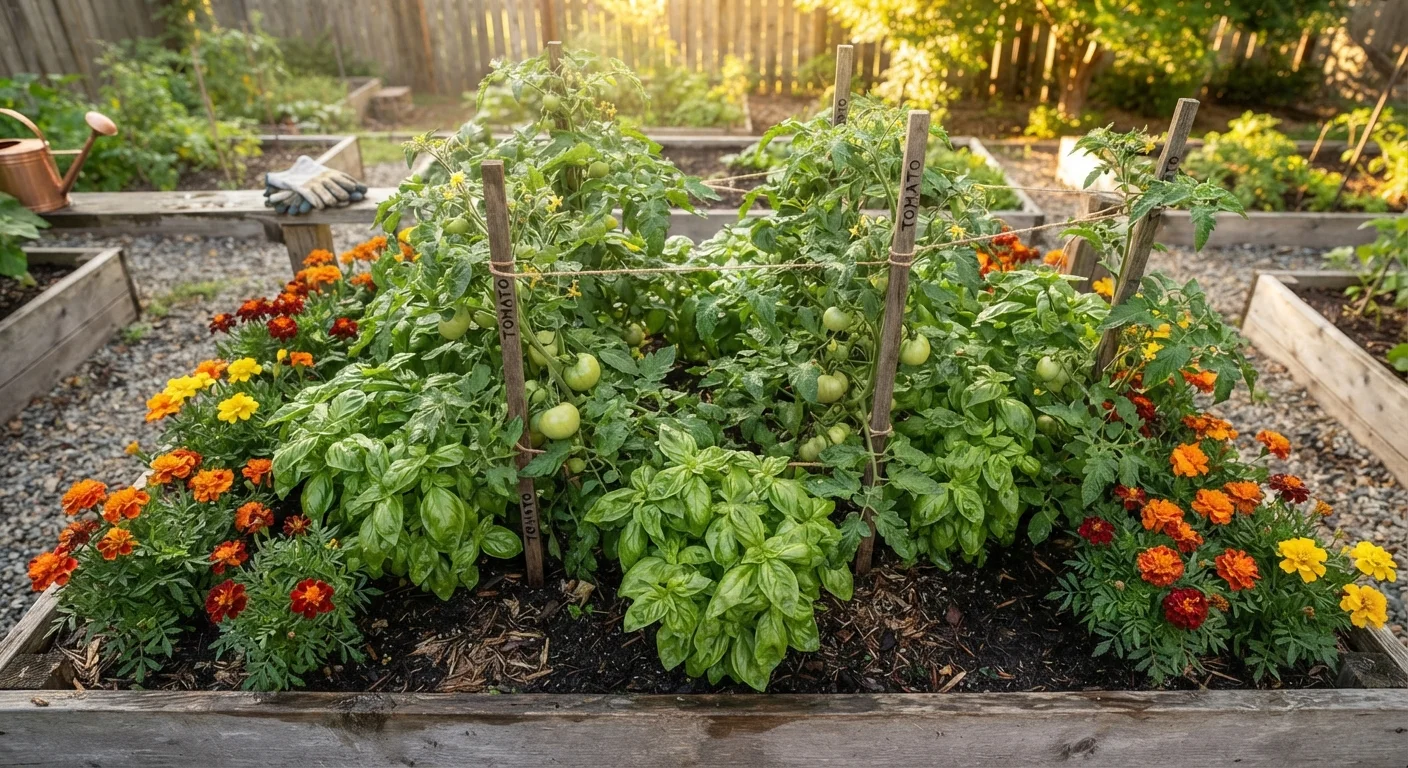
Photo credit: ResultsPoint.net | Find The Required Information
Companion planting can improve growth and reduce pest pressure, but not all pairings help. Learn the principles behind plant partnerships.
Key Takeaways
- Companion planting works through physical, chemical, and biological relationships between neighboring plants.
- Classic pairings like the Three Sisters — corn, beans, and squash — have centuries of practical support.
- Some plant combinations actively compete or inhibit each other and are worth keeping apart.
- Evidence for companion planting varies; some pairings are well-studied while others rely on gardening tradition.
- Spacing, soil, and sunlight still matter more than any companion pairing alone.
Why Plant Placement Actually Matters
Most beginning gardeners focus on what to grow, then figure out where to put things based on available space. But which plants you place next to each other can make a real difference — in growth, pest pressure, and even flavor. This practice is called companion planting, and while it isn't magic, it's grounded in some genuinely useful plant biology.
Plants interact with their neighbors through root chemistry, shade, moisture competition, and the insects they attract or repel. Some pairings are mutually helpful; others create quiet friction that slows both plants down. Understanding the basic logic behind these relationships helps you make smarter layout decisions without overcomplicating your garden plan.
It's worth noting that the research on companion planting is uneven. Some combinations have solid scientific backing, while others are passed down through gardening tradition with limited controlled testing. Our guide to common garden myths covers how to think critically about popular advice — and the same skepticism applies here. Use the combinations below as starting points, observe your own results, and adjust accordingly.
Start Simple and Observe
If companion planting is new to you, try one or two pairings this season rather than redesigning your entire garden. Keep brief notes on which plants are growing near each other and what you notice about pest activity, yield, and plant health. Your own observations over multiple seasons are often more useful than any general rule.
Below are some well-known and practically useful companion pairings — along with combinations that tend to cause trouble — to help you plan your beds with a little more intention.
Tomatoes and Basil
This is one of the most popular companion pairings in home gardens, and it has both culinary and practical appeal. Basil is thought to repel thrips and aphids, two insects that routinely damage tomato plants. Some gardeners also report that basil planted nearby improves tomato flavor, though this specific claim is difficult to test reliably.
What's more certain: basil and tomatoes have similar needs — warm temperatures, full sun, and consistent moisture — which makes them easy to manage together. Plant basil 12 to 18 inches from tomato stems to give both plants adequate airflow.
Basil and tomatoes share similar growing needs, making them easy and practical neighbors.
The Three Sisters: Corn, Beans, and Squash
This trio has been cultivated together by Indigenous farmers in North America for centuries, and it works through three complementary roles. Corn provides a vertical structure for bean vines to climb. Beans fix nitrogen from the air into the soil, feeding the other two plants. Squash spreads wide at ground level, shading out weeds and retaining soil moisture with its large leaves.
This is one of the most well-documented companion planting systems. It's especially worth trying if you have a larger bed or patch of ground, since each plant needs room to play its role effectively.
Each of the Three Sisters performs a distinct function that benefits the other two.
Carrots and Onions
Carrots and onions are often paired because their respective pests find each other's scent off-putting. Carrot flies dislike the smell of onions; onion flies tend to avoid the smell of carrots. While the repellent effect isn't absolute, interplanting these two crops can reduce pest pressure compared to planting either in a solid block.
Both crops are also relatively compact, making this pairing well-suited to raised beds or small-space gardens. Plant them in alternating rows or mixed patches for the best effect.
Carrots and onions can help deter each other's most common insect pests.
Marigolds Throughout the Vegetable Garden
Marigolds (Tagetes species) are one of the most versatile companion plants for vegetables. Their roots release a compound called alpha-terthienyl that is toxic to certain soil nematodes — microscopic worms that damage root systems. French marigolds (Tagetes patula) in particular have been shown in research settings to reduce nematode populations when planted in affected soil for a full season.
Marigolds also attract pollinators and some beneficial predatory insects. Plant them as a border around vegetable beds or scatter them between crops. Note that the nematode-suppression effect works best when marigolds are grown densely over a full growing season — a few plants tucked in at the last minute won't produce the same result.
French marigolds can suppress harmful soil nematodes when planted densely over a full season.
Fennel — Keep It Away from Most Vegetables
Fennel is a useful herb in the kitchen, but it's one of the most problematic plants to include in a mixed vegetable garden. It releases allelopathic chemicals — natural compounds that inhibit the germination and growth of nearby plants. Tomatoes, peppers, beans, and many herbs tend to perform poorly when grown close to fennel.
The practical solution is simple: grow fennel in its own container or a dedicated bed well away from your main vegetable garden. It will thrive on its own and attract beneficial insects like swallowtail butterflies without disrupting your other crops.
Fennel releases chemicals that inhibit growth in many common vegetable garden plants.
Brassicas and Strawberries — A Pairing to Avoid
Brassicas (cabbage, broccoli, kale, Brussels sprouts) and strawberries compete aggressively for similar nutrients, and the two plant families have a documented history of suppressing each other when grown in close proximity. Strawberries placed near brassicas often show reduced vigor and smaller fruit yields.
Additionally, some of the same soil-borne pathogens that affect brassica roots can persist and affect strawberry plants. Keeping these groups well separated — ideally in different beds — avoids both competition and shared disease risk.
Brassicas and strawberries compete for nutrients and can share harmful soil pathogens.
Building a Smarter Garden Layout
Companion planting is one tool in a larger toolkit. Getting your spacing right, matching plants to your soil type, and timing your planting well all matter just as much. See our seasonal planting calendar for help timing your crops, and our guide to low-chemical pest management for broader strategies that complement smart plant placement.
If you're just getting started and deciding what to plant, it also helps to read up on seeds versus seedlings before you invest in your first crops. A little planning at the start saves a lot of trouble later.
Evidence Varies by Pairing
Not all companion planting combinations have been rigorously tested in controlled studies. Some — like marigolds and nematodes, or the Three Sisters — have meaningful research support. Others rest primarily on long-standing gardening tradition. Treat less-studied pairings as experiments worth trying, not guaranteed solutions. What works well in one garden's soil and climate may behave differently in yours.

Author
Home Editorial Team
Home Editorial Team is the collective byline for our editorial team and contributor network. Articles published under this byline or an editorial pen name are researched, written, and reviewed according to our editorial standards for clarity, consistency, and independence before publication.
View all articles →