
What Kind of Soil Does Your Garden Actually Need?
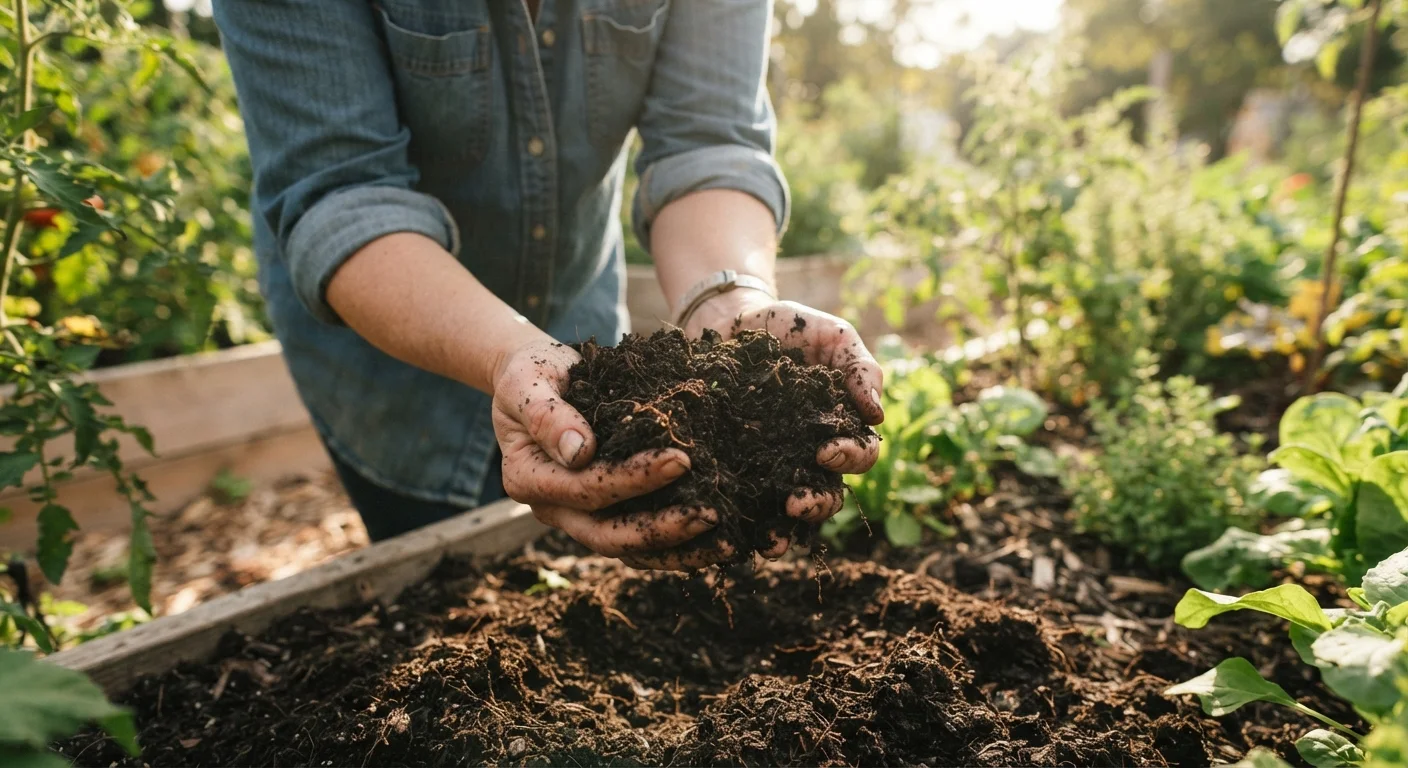
Photo credit: ResultsPoint.net | Find The Required Information
In this article
Not all soil is created equal. Learn the differences between garden soil types and how to choose the right one for your plants.
Key Takeaways
- Loam — a balanced mix of sand, silt, and clay — works well for most vegetables and flowers.
- Sandy soil drains fast but struggles to hold nutrients; clay soil retains nutrients but can suffocate roots.
- A simple ribbon test or jar test can reveal your existing soil type at no cost.
- Amending soil with compost improves almost any soil type over time.
- Raised bed mixes and potting soil are not interchangeable with in-ground garden soil.
- Testing soil pH before planting helps you avoid nutrient deficiencies right from the start.
The Three Basic Soil Types — and Why They Matter
Before you buy a single bag of soil or dig your first hole, it helps to understand what soil is actually made of. Most garden soils fall into three broad categories based on particle size: sandy, clay, and silty. The best garden soil — loam — is a natural blend of all three.
- Sandy soil drains quickly, which prevents root rot but also means water and nutrients flush away before plants can use them. It warms up fast in spring, which some gardeners appreciate.
- Clay soil holds water and nutrients well but compacts easily, leaving roots starved of oxygen. It's heavy, sticky when wet, and rock-hard when dry.
- Silty soil has fine particles that hold moisture better than sand but are prone to compaction and erosion over time.
- Loam balances all three, draining well while still retaining enough moisture and nutrients for most vegetables, herbs, and flowers.
If you're starting a vegetable garden from zero, understanding your existing soil type before you plant can save you a lot of frustration down the road.
~45%
Mineral content in healthy garden soil
According to USDA soil science resources, ideal garden soil is roughly 45% minerals, 25% water, 25% air, and 5% organic matter.
6.0–7.0
Optimal pH range for most vegetables
Most vegetable crops perform best within a slightly acidic to neutral pH range, according to general horticultural guidance from cooperative extension programs.
2–4 inches
Compost depth recommended per season
University extension programs commonly recommend working 2–4 inches of compost into garden beds each growing season to maintain soil health.
How to Find Out What Soil You Already Have
You don't need a lab to get a working read on your soil. Two simple at-home tests give you a solid starting point.
The Ribbon Test
Grab a handful of moist soil and try to roll it into a ribbon between your thumb and forefinger. Sandy soil won't hold a shape. Clay soil forms a long, smooth ribbon. Loam holds together briefly but crumbles before reaching a few inches.
The Jar Test
Fill a clear jar about one-third with soil, top it up with water, shake vigorously, and let it settle for 24–48 hours. Sand sinks to the bottom first, silt settles in the middle, and clay floats on top as a cloudy layer. The relative depths tell you your soil's makeup at a glance.
For a more complete picture — including nutrient levels and pH — consider sending a sample to your local cooperative extension office. Many offer low-cost testing and region-specific recommendations. This is especially useful before building a new bed, since pH affects whether plants can absorb nutrients even when those nutrients are present.
Test Before You Amend
Amending soil without knowing its current composition is a bit like adding seasoning without tasting first. A simple pH test or ribbon test takes minutes and can prevent you from over-correcting — for example, adding lime to soil that's already alkaline. Many county cooperative extension offices offer inexpensive or even free soil testing with tailored local recommendations.
Improving What You've Got
Here's the good news: almost no soil is too far gone to improve. The most reliable all-purpose amendment is compost. Working 2–4 inches of compost into the top 8–10 inches of soil adds organic matter, improves drainage in clay, boosts moisture retention in sand, and feeds the microbial life that keeps soil healthy. Our guide on composting at home walks you through making your own from kitchen and yard scraps.
Other useful amendments include:
- Perlite — small white volcanic particles that improve drainage and aeration in heavy or compacted soils.
- Aged manure — adds nutrients and organic matter, but should be well-composted before use to avoid burning roots or introducing pathogens.
- Lime — raises soil pH in overly acidic soils; useful for lawns and some vegetables.
- Sulfur — lowers pH for acid-loving plants like blueberries and azaleas.
Understanding how fertilizers work alongside your soil amendment strategy is also worthwhile. Our article on organic vs. synthetic fertilizers breaks down how each approach feeds your soil differently.
Soil Improvement Takes Time
Don't expect a single season of amendments to transform heavily compacted clay or extremely sandy soil. Soil structure improves gradually as organic matter breaks down and soil organisms do their work. Consistent additions of compost over two to three seasons typically produce noticeable, lasting results. Patience is part of good gardening.
Matching Soil to Your Garden Setup
Your growing setup matters as much as your plant list. In-ground beds connect to your native soil, so improving that native soil pays dividends season after season. Raised beds, by contrast, give you more control from day one — you fill them with whatever blend suits your plants. Our article on raised beds vs. in-ground planting covers these differences in detail.
For containers and pots, always use a mix specifically formulated for containers — never straight garden soil, which compacts and restricts drainage in confined spaces.
Sunlight and soil go hand in hand too. A shaded spot tends to stay damp longer, so well-draining soil matters even more there. Before finalizing your planting plan, it's worth reading our guide on understanding sunlight in your yard — getting both light and soil right sets your garden up for success from the start.
Frequently Asked Questions

Author
Home Editorial Team
Home Editorial Team is the collective byline for our editorial team and contributor network. Articles published under this byline or an editorial pen name are researched, written, and reviewed according to our editorial standards for clarity, consistency, and independence before publication.
View all articles →