
Organic Fertilizer vs. Synthetic Fertilizer: How Each One Feeds Your Soil
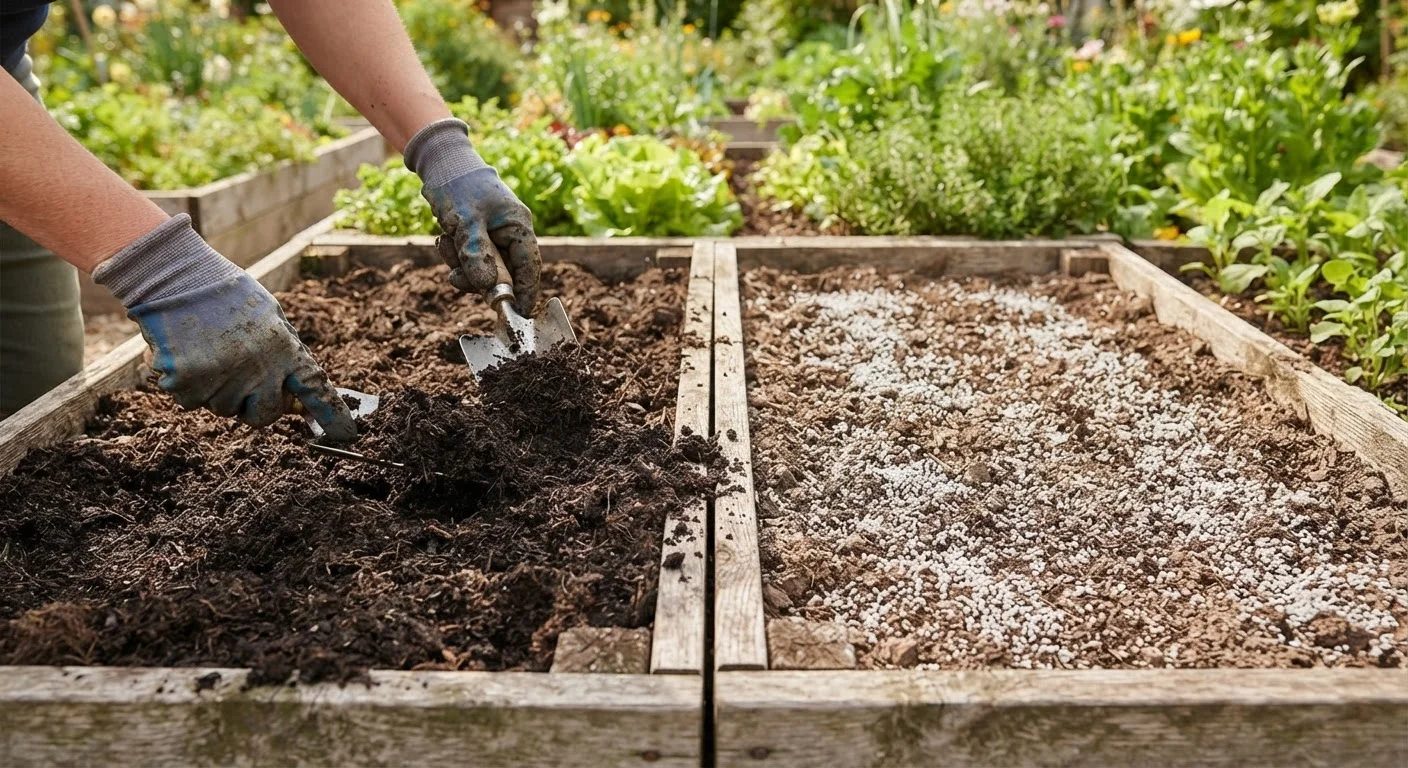
Photo credit: ResultsPoint.net | Find The Required Information
In this article
Organic and synthetic fertilizers work differently and suit different gardening goals. Here's a clear breakdown to help you understand both.
Key Takeaways
- Organic fertilizers feed soil biology slowly; synthetic fertilizers deliver nutrients directly to plant roots fast.
- Synthetic fertilizers can cause salt buildup and runoff issues if overused; organic options carry fewer of these risks.
- Organic fertilizers improve soil structure over time; synthetic fertilizers generally do not.
- Neither type is universally better — your garden goals, soil condition, and timeline all matter.
- A soil test is the most reliable starting point before choosing any fertilizer.
What Each Type Actually Does
At the most basic level, both organic and synthetic fertilizers supply plants with nutrients — primarily nitrogen (N), phosphorus (P), and potassium (K), often listed as the NPK ratio on any fertilizer label. But how they deliver those nutrients is very different, and that difference shapes how each one affects your garden over time.
Organic fertilizers come from naturally occurring materials: composted plant matter, animal manure, bone meal, kelp, worm castings, and similar sources. These materials don't feed plants directly. Instead, soil microbes — bacteria, fungi, and other organisms — break them down first, releasing nutrients gradually as the organic matter decomposes. This means slower results, but it also means you're actively feeding the living ecosystem beneath your feet.
Synthetic fertilizers are manufactured to contain nutrients in forms plants can absorb almost immediately. They dissolve in water, travel through soil, and enter plant roots quickly. Because the nutrients are already in their usable form, no microbial activity is required. The tradeoff is that what's not absorbed can also leach away with rain or irrigation — and repeated heavy use can affect soil chemistry over time.
For a deeper look at how soil composition affects nutrient availability, see our guide on what kind of soil your garden actually needs.
| Criterion | Organic Fertilizer | Synthetic Fertilizer |
|---|---|---|
| Nutrient release speed | Slow (weeks to months) | Fast (days) |
| Source materials | Compost, manure, plant matter, minerals | Manufactured chemical compounds |
| Soil biology impact | Feeds and supports microbes | Minimal direct benefit to microbes |
| Soil structure over time | Improves with repeated use | May degrade with heavy, chronic use |
| Nutrient precision | Variable; depends on source material | Exact NPK ratios on label |
| Runoff risk | Low | Higher if over-applied |
| Best use case | Long-term soil building | Correcting specific deficiencies quickly |
Long-Term Effects on Soil Health
One of the most meaningful differences between these two approaches shows up not in this season's plants, but in next year's soil.
Organic fertilizers contribute organic matter as they break down. Over time, this improves soil structure — helping sandy soils retain water and loosening dense clay soils so roots can penetrate more easily. They also support populations of beneficial microorganisms that suppress disease, cycle nutrients, and improve overall soil vitality. This is sometimes called building "soil biology," and it's what experienced gardeners often mean when they talk about soil becoming richer each year.
Synthetic fertilizers, used alone and consistently over many seasons, can have the opposite effect. Some formulations leave behind salt residues that, over time, can reduce microbial populations and compact soil structure. This doesn't happen overnight, and moderate, targeted use rarely causes serious problems — but it's worth understanding the direction each approach pulls your soil in.
~50%
Of soil volume that can be organic matter in healthy garden soil
Soil scientists generally describe healthy garden soil as roughly 5% organic matter by weight, though optimal ranges vary by crop and region.
3–4 weeks
Typical nutrient release delay for slow-release organic fertilizers
Release rates depend on soil temperature, moisture, and microbial activity, so results vary significantly by conditions.
If you already make compost at home, you're giving your soil a meaningful head start on organic matter. Our article on composting kitchen scraps into garden gold explains how to make the most of that material.
When to Use Each — and When to Combine Both
Many experienced gardeners don't treat this as an either/or decision. Organic and synthetic fertilizers can be used together strategically, depending on what your soil and plants need at a given moment.
Use organic fertilizers as a foundation: apply compost, aged manure, or slow-release organic granules at the start of the growing season to build organic matter and support soil life over the long run. These work well as general soil amendments for beds you're developing over multiple years. They're also a natural pairing with raised-bed gardening — for more on that setup, see our piece on raised beds versus in-ground planting.
Reach for synthetic fertilizers when you have a specific, time-sensitive problem: a vegetable garden mid-season showing yellowing leaves (a possible sign of nitrogen deficiency), or a fruit tree that needs a targeted phosphorus boost. In these cases, speed matters, and a synthetic option can correct the problem while slower-release organics continue working in the background.
The most reliable first step before applying anything is a soil test. Your local cooperative extension office can often help you find low-cost testing, and results will tell you exactly what your soil is missing — so you're not guessing. Also check our guide on common garden myths that lead new growers astray to avoid some of the most widespread fertilizing misconceptions.
Start With a Soil Test
Before adding any fertilizer — organic or synthetic — a basic soil test tells you which nutrients are actually lacking and what your soil's pH is. Applying fertilizer without this information can mean spending money on nutrients your soil already has in abundance, or inadvertently pushing pH in the wrong direction. Many US cooperative extension offices offer affordable soil testing, and some local garden centers carry at-home test kits as a starting point.

Author
Home Editorial Team
Home Editorial Team is the collective byline for our editorial team and contributor network. Articles published under this byline or an editorial pen name are researched, written, and reviewed according to our editorial standards for clarity, consistency, and independence before publication.
View all articles →