
The Case for Native Plants in a Home Garden
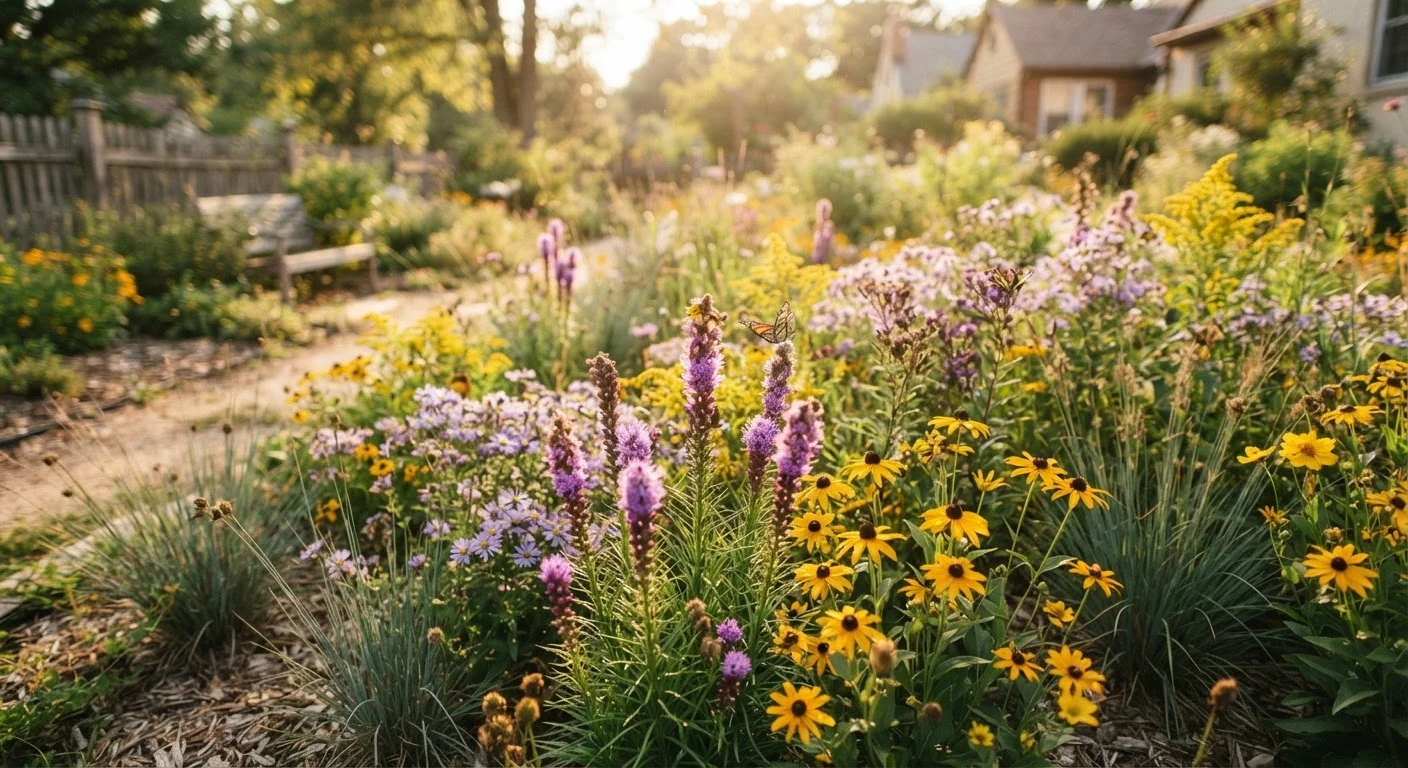
Photo credit: ResultsPoint.net | Find The Required Information
In this article
Native plants are often lower-maintenance and better for local ecosystems. Here's what that means in practice for everyday gardeners.
Key Takeaways
- Native plants are adapted to local soils and climate, which generally reduces watering and fertilizing needs.
- They support pollinators, birds, and other local wildlife better than most non-native ornamentals.
- Finding regionally specific native species takes more research upfront than buying standard nursery stock.
- Native plants work well in both traditional garden beds and newer low-maintenance landscape styles.
Lower water needs after establishment
Native plants are adapted to typical local rainfall, so once their root systems are established — usually after one full growing season — most need little or no irrigation beyond what nature provides.
Minimal fertilizer requirements
Because they evolved in local soils, native plants generally don't need supplemental feeding. Adding fertilizer can actually encourage excessive leafy growth at the expense of flowers and seeds.
Stronger support for pollinators and wildlife
Many native bees, butterflies, and birds have co-evolved with specific native plants and depend on them for food and reproduction in ways that non-native plants simply can't replicate.
Greater resilience to local pests and diseases
Plants that evolved alongside local insects and pathogens have developed natural defenses, which typically means fewer interventions and less pressure to reach for pesticides.
Long-term cost savings on inputs
Reduced need for irrigation, fertilizer, and pest management translates into lower ongoing costs once a native garden is established, though the first year may require some investment.
Slow to establish and show results
Many native perennials put most of their energy into root development in year one, meaning top growth can look sparse. Visible payoff often doesn't arrive until the second or third season.
Harder to source than standard nursery stock
True regional natives are less commonly stocked at large garden centers. Finding locally appropriate species may require visiting specialty native plant nurseries or native plant society sales.
Requires upfront regional research
Native plants vary significantly by region, so generic gardening advice often doesn't apply. Gardeners need to identify which species are actually native to their specific area before purchasing.
Some species can spread aggressively
A handful of native plants — particularly certain grasses and groundcovers — spread vigorously in garden settings and may require management to prevent them from crowding out other plantings.
Aesthetic style requires adjustment
Native gardens often have a more naturalistic, informal look compared to traditional manicured beds. Some HOAs or neighbors may perceive an unmowed meadow-style planting as untidy, which can cause friction.
What 'Native' Actually Means
A native plant is one that evolved naturally in a specific region before European settlement — not just any plant that grows easily in your yard. A native to the tallgrass prairie of Illinois is not native to coastal Georgia, even if it survives both climates. This distinction matters because the real benefits of native plants come from that deep evolutionary relationship with local soils, rainfall patterns, insects, and wildlife.
When choosing natives, your state's cooperative extension service or a local native plant society is usually the most reliable starting point. National nursery chains sometimes label plants as 'wildlife-friendly' or 'pollinator plants' without those plants being true regionals — worth double-checking before you buy.
Nativars: A Note on Cultivated Varieties
A 'nativar' is a cultivated variety of a native plant, bred for traits like compact size, unusual flower color, or double blooms. While they share some benefits with true natives, research suggests their value to specialist insects can be reduced — particularly in heavily modified varieties. Where possible, seek straight species (unmodified native plants) for the strongest ecological benefit.
The Advantages of Going Native
Once established, native plants tend to ask less of a gardener than most exotic ornamentals. Because they're matched to local rainfall averages, many need little or no supplemental irrigation after their first season — an important factor covered in more depth in our guide to healthy watering practices.
Lower water needs after establishment
Native plants are adapted to typical local rainfall, so once their root systems are established — usually after one full growing season — most need little or no irrigation beyond what nature provides.
Minimal fertilizer requirements
Because they evolved in local soils, native plants generally don't need supplemental feeding. Adding fertilizer can actually encourage excessive leafy growth at the expense of flowers and seeds.
Stronger support for pollinators and wildlife
Many native bees, butterflies, and birds have co-evolved with specific native plants and depend on them for food and reproduction in ways that non-native plants simply can't replicate.
Greater resilience to local pests and diseases
Plants that evolved alongside local insects and pathogens have developed natural defenses, which typically means fewer interventions and less pressure to reach for pesticides.
Long-term cost savings on inputs
Reduced need for irrigation, fertilizer, and pest management translates into lower ongoing costs once a native garden is established, though the first year may require some investment.
From an ecological standpoint, the benefits extend well beyond your property line. Native plants support specialized insects — including native bees — that simply cannot complete their life cycles on non-native plants. Those insects, in turn, feed birds. A garden with a solid mix of regional natives can function as a small but meaningful wildlife corridor, especially in suburban areas where natural habitat is fragmented.
The Real Drawbacks to Consider
Native gardening is not without its challenges, and it helps to go in clear-eyed rather than expecting instant results.
Slow to establish and show results
Many native perennials put most of their energy into root development in year one, meaning top growth can look sparse. Visible payoff often doesn't arrive until the second or third season.
Harder to source than standard nursery stock
True regional natives are less commonly stocked at large garden centers. Finding locally appropriate species may require visiting specialty native plant nurseries or native plant society sales.
Requires upfront regional research
Native plants vary significantly by region, so generic gardening advice often doesn't apply. Gardeners need to identify which species are actually native to their specific area before purchasing.
Some species can spread aggressively
A handful of native plants — particularly certain grasses and groundcovers — spread vigorously in garden settings and may require management to prevent them from crowding out other plantings.
Aesthetic style requires adjustment
Native gardens often have a more naturalistic, informal look compared to traditional manicured beds. Some HOAs or neighbors may perceive an unmowed meadow-style planting as untidy, which can cause friction.
One practical issue that surprises new gardeners: native plants often look unremarkable in their first year or two as they establish deep root systems. The old saying — 'sleeps, creeps, then leaps' — applies here. Patience is genuinely required. If your goal is a showstopper garden immediately, a native planting may frustrate you early on.
Sourcing is the other friction point. Box-store garden centers carry limited native selections, and some plants sold as natives are actually nativar cultivars (cultivated varieties of native species) whose ecological value is debated. Seeking out a regional native plant nursery or a local plant swap takes extra effort but makes a real difference in what you bring home.
~30%
Of US water use goes to landscape irrigation
The US Environmental Protection Agency estimates that landscape irrigation accounts for roughly 30% of household water use, much of which native plantings can significantly reduce.
4,000+
Native bee species in North America
According to the US Geological Survey, North America is home to over 4,000 native bee species, many of which depend on specific native plant genera to complete their life cycles.
How to Start Without Feeling Overwhelmed
You don't need to overhaul your entire yard at once. Starting with one small bed — or even a container — lets you observe how specific plants perform in your conditions before committing more space. Our guide on container gardening is a useful reference if outdoor bed space is limited.
A few practical starting points:
- Look up your USDA hardiness zone and your state's native plant list before buying anything.
- Choose three to five species that serve different roles — a groundcover, a mid-height flowering plant, and a taller grass or shrub.
- Check how natives pair with what you already have planted; our article on plant combinations can help you avoid common spacing and compatibility mistakes.
- Consider your planting method: natives generally do well in both raised beds and traditional in-ground planting, though drainage preferences vary — see raised beds vs. in-ground planting for a fuller comparison.
Above all, resist the urge to over-manage. One of the biggest adjustments for new native gardeners is learning to leave seed heads standing through winter (birds feed on them) and to tolerate some insect leaf damage as a sign the ecosystem is working, not failing.

Author
Home Editorial Team
Home Editorial Team is the collective byline for our editorial team and contributor network. Articles published under this byline or an editorial pen name are researched, written, and reviewed according to our editorial standards for clarity, consistency, and independence before publication.
View all articles →