
Why Watering More Doesn't Mean Watering Better
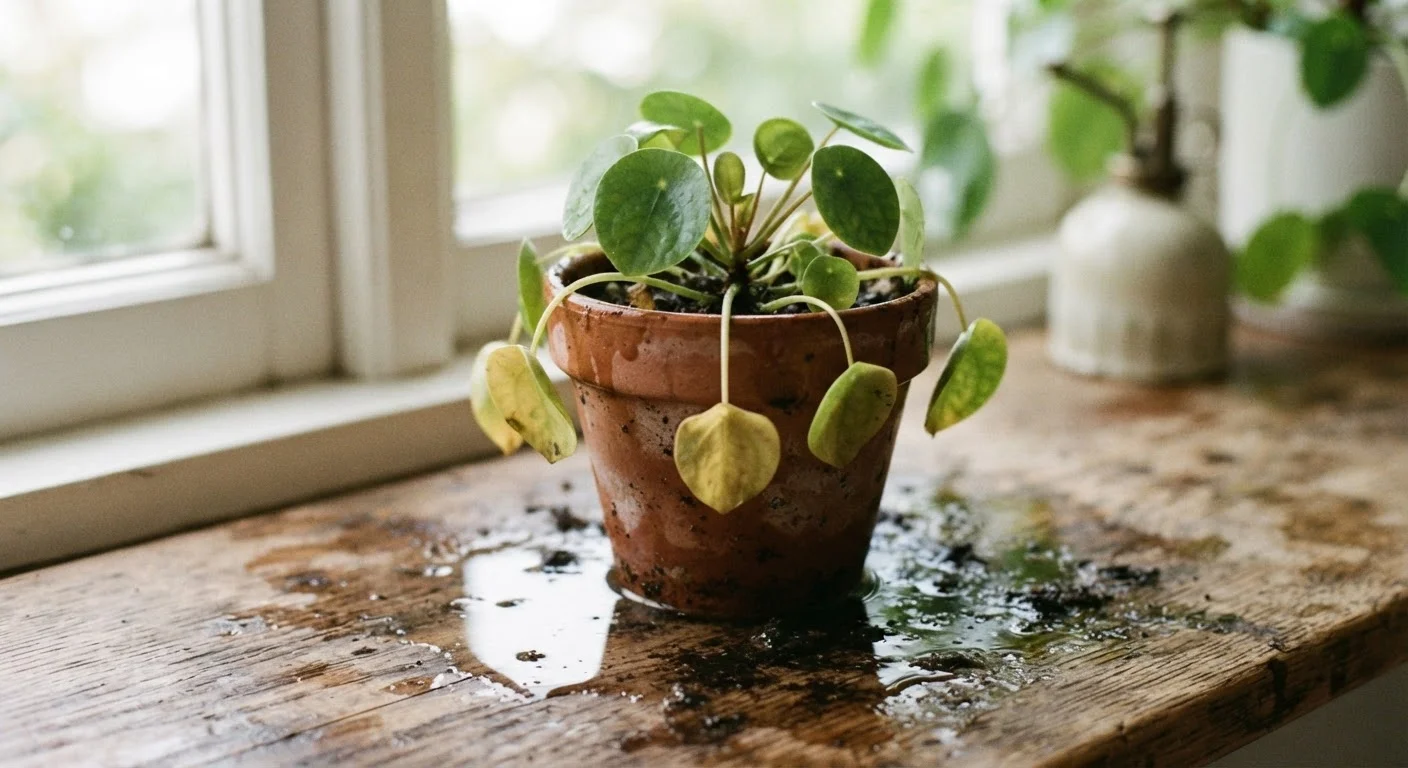
Photo credit: ResultsPoint.net | Find The Required Information
In this article
Overwatering is one of the most common reasons houseplants and garden beds fail. Find out what healthy watering actually looks like.
Key Takeaways
- Overwatering is the most common cause of houseplant and garden bed decline.
- Wilting doesn't always mean a plant is thirsty — soggy roots cause the same symptom.
- Watering schedules should respond to soil moisture, not the calendar.
- Drainage quality matters as much as how much water you apply.
- Different plants, seasons, and soil types require meaningfully different watering approaches.
The Overwatering Problem Nobody Talks About Enough
Ask most gardeners what killed their last houseplant and they'll assume they didn't water it enough. The likelier culprit? Too much water. Overwatering is one of the most consistently misunderstood habits in home gardening, partly because the symptoms — wilting, yellowing leaves, slow growth — look almost identical to those caused by drought.
The core issue is that plant roots need both water and oxygen. When soil stays saturated for extended periods, air pockets disappear, roots suffocate, and the conditions that cause root rot take hold. At that point, adding more water only accelerates the damage.
Understanding what healthy watering actually looks like starts with unlearning a few deeply held assumptions — and the mistakes below are where most beginners go wrong. For broader context on how your soil type shapes water retention, our article on what kind of soil your garden actually needs is worth reading alongside this one.
Root Rot Can Kill Plants Quickly
Chronically waterlogged soil deprives roots of oxygen and creates conditions where root rot fungi thrive. By the time yellowing leaves or foul-smelling soil are visible, significant root damage may already have occurred. If you suspect root rot, remove the plant from its container, trim any blackened or mushy roots, and repot into fresh, well-draining soil.
Common Watering Mistakes — and How to Fix Them
These five mistakes account for the vast majority of overwatering problems seen in both container gardens and planted beds. Each one is easy to fall into and straightforward to correct once you know what to look for.
Watering on a fixed schedule rather than checking soil moisture first.
Why it happens: Routines feel reliable, and beginners often assume plants need water at predictable intervals, like a housepet needs feeding.
Treating wilting as an automatic sign of underwatering.
Why it happens: Wilting is associated with thirst in everyday experience, so it's natural to assume a drooping plant needs more water immediately.
Using pots or garden beds with poor or no drainage.
Why it happens: Decorative containers without drainage holes are common, and garden beds are sometimes planted in low-lying areas where water collects naturally.
Watering all plants the same way regardless of species or season.
Why it happens: Generalised advice like 'water twice a week' gets passed around without the nuance that different plants have very different needs.
Watering shallowly and frequently instead of deeply and less often.
Why it happens: A quick splash of water looks like it's doing the job, and many beginners water daily in small amounts thinking more frequent care is better care.
Don't Trust a Fixed Watering Schedule
A rigid 'water every Tuesday' routine ignores the variables that actually govern plant moisture needs — temperature, humidity, season, pot size, and soil composition. In cooler months or during rainy stretches, following a fixed schedule can lead to consistent overwatering. Always check the soil before you reach for the watering can.
Soil composition is one of the biggest factors in how quickly water drains or pools. Heavy clay soils retain water far longer than sandy or loam soils, which means the same watering routine can be perfectly adequate for one yard and dangerously excessive for another. If you're rethinking your garden setup, common garden myths that lead new growers astray covers several persistent misconceptions about soil amendments and watering that circulate widely online.
#1
Cause of houseplant death
Overwatering is widely cited by horticulture educators as the leading cause of preventable houseplant loss among home growers.
2 inches
Soil depth to check for moisture
Inserting a finger roughly two inches into the soil is a standard method recommended by cooperative extension programs to gauge watering need.
It's also worth considering your plant selection. Native plants are often naturally adapted to local rainfall patterns, which can make them far more forgiving and reduce the risk of overwatering mistakes altogether.

Author
Home Editorial Team
Home Editorial Team is the collective byline for our editorial team and contributor network. Articles published under this byline or an editorial pen name are researched, written, and reviewed according to our editorial standards for clarity, consistency, and independence before publication.
View all articles →