
Maintenance Tasks Homeowners Overlook Until Something Goes Wrong
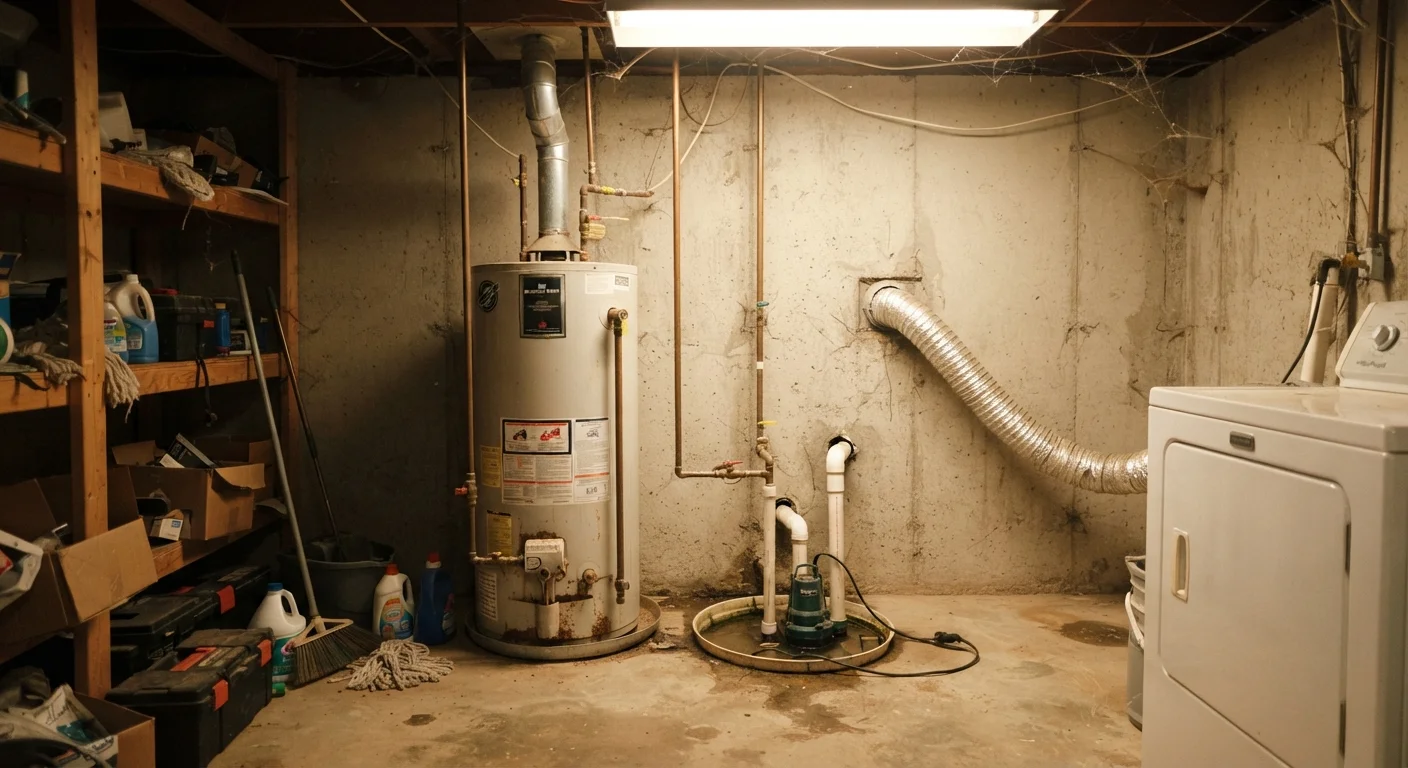
Photo credit: ResultsPoint.net | Find The Required Information
In this article
Dryer vents, expansion tanks, sump pumps — these low-visibility systems get ignored until they fail at the worst time.
Key Takeaways
- Dryer vent clogs are a leading cause of house fires and are easy to prevent with annual cleaning.
- Expansion tanks and pressure relief valves protect water heaters from dangerous pressure buildup.
- Sump pumps should be tested before rainy season — not discovered dead during a flood.
- HVAC condensate drain lines clog silently and can cause water damage to ceilings and walls.
- Caulk around tubs and windows fails gradually, letting moisture into wall cavities over years.
- Smoke and CO detector batteries need replacement on a set schedule, not just when they beep.
The Maintenance Tasks Nobody Thinks About (Until the Damage Is Done)
Most homeowners are reasonably good at the visible stuff — replacing burned-out lightbulbs, touching up scuffed paint, clearing a slow drain. But the systems that quietly protect your home from fire, flooding, and structural damage are often the ones nobody looks at until something fails spectacularly.
The tasks listed here share a common trait: they're low-visibility, rarely urgent-feeling, and easy to skip. Yet skipping them consistently is exactly how small problems compound into expensive ones. As our guide on what deferred maintenance actually does to a house over time explains, neglected upkeep rarely stays cheap for long.
Work through this list as a diagnostic checklist. If you can't remember the last time you addressed any of these, now is a good moment to start.
Clean the dryer vent duct — not just the lint trap
The lint trap catches a fraction of what your dryer produces. The rest travels into the exhaust duct that runs from the back of your dryer through the wall to an exterior vent. Over time, lint accumulates in this duct, restricting airflow and creating a genuine fire hazard. The U.S. Fire Administration has long identified clogged dryer vents as a significant cause of residential fires.
Once a year, disconnect the dryer from the wall, detach the duct, and use a long flexible brush kit to clean the full length of the duct. Also check that the exterior vent flap opens freely and isn't blocked by debris or nesting animals. If your duct run is long or has multiple bends, consider having it professionally cleaned.
Lint in dryer ducts is a fire hazard that builds silently behind your walls every single year.
Test your sump pump before rainy season
A sump pump sits in a pit in your basement or crawl space and exists for one purpose: to pump groundwater away from your foundation before it floods your home. The problem is that pumps are only called on during heavy rain — exactly when you can't afford to discover the motor has seized.
Test yours by slowly pouring a bucket of water into the sump pit until the float trigger activates the pump. Listen for the motor running and watch for water to discharge outside. Do this in early spring before wet season arrives. If the pump is more than seven to ten years old or struggles during the test, it may be time to have it evaluated by a plumber.
A sump pump failure discovered during a flood is always more expensive than one discovered during a routine test.
Flush your water heater to clear sediment
Minerals naturally present in tap water — primarily calcium and magnesium — settle at the bottom of your water heater tank over time. This sediment layer acts as insulation between the burner and the water, forcing the unit to work harder, reducing efficiency, and accelerating wear on the tank lining. In severe cases, it causes the popping or rumbling sounds some homeowners mistake for a plumbing problem.
Flushing the tank annually involves attaching a hose to the drain valve and releasing a few gallons until the water runs clear. Always follow your unit's manual and turn off the heating element or burner before draining. If you haven't done this in years and there's visible rust in the water, have a plumber assess the tank before flushing — heavy sediment can sometimes clog a drain valve that hasn't been opened in a long time.
Sediment buildup quietly shortens a water heater's lifespan and raises your energy costs year after year.
Clear the HVAC condensate drain line
Your central air conditioner removes humidity from indoor air as it cools — and that moisture has to go somewhere. It drains through a condensate line, typically a small PVC pipe that leads to a floor drain or outside. Algae, mold, and debris build up inside this line and can clog it completely. When that happens, water backs up into the air handler and can overflow into the ceiling, attic, or walls below.
To prevent this, pour a small amount of distilled white vinegar into the condensate drain access port (usually a T-shaped cap near the air handler) once or twice a year. This discourages biological growth without harming the drain system. If you notice water pooling near your air handler or your system shuts off unexpectedly, a clogged condensate line is one of the first things to check. Our article on water damage warning signs can help you identify whether moisture has already reached the walls.
A clogged condensate drain line can quietly saturate walls and ceilings before anyone notices.
Inspect and replace deteriorating caulk
Caulk is the flexible sealant applied around bathtubs, showers, sinks, windows, and exterior joints to keep water out. It's easy to ignore because it fails gradually — cracking, shrinking, or pulling away from the surface over several years. Once a gap opens, water infiltrates the wall cavity behind tile or trim, where it can cause mold growth and wood rot long before you see any visible damage.
Walk through your home once a year and look carefully at all caulked joints. Press gently on any that look cracked or separated. If there's any give or visible gap, remove the old caulk completely with a utility knife or caulk remover tool, clean and dry the surface thoroughly, and apply fresh caulk. This is one of the most cost-effective repairs in home maintenance — and one of the most consistently overlooked. For related context, see our piece on why gutters fail and what proper maintenance looks like.
Failed caulk around tubs and windows lets moisture into wall cavities where damage goes unseen for years.
Test smoke and carbon monoxide detectors on a schedule
Most homeowners test their detectors when they notice the low-battery chirp — which is not a maintenance strategy. Smoke detectors should be tested monthly using the test button and replaced every ten years (the sensing chamber degrades over time regardless of battery condition). Carbon monoxide detectors have a shorter service life, typically five to seven years.
A practical approach: test all detectors at each daylight saving time change, and write the installation date on the back of each unit with a marker so you know when replacement is due. Detectors in high-humidity areas like bathrooms or near cooking appliances may need replacing sooner due to false-alarm sensitivity drift.
Smoke detectors degrade silently — a ten-year-old unit may pass a button test but fail to detect an actual fire.
Make These Tasks Part of Your Routine
None of the tasks above require advanced skills or expensive tools. What they require is remembering they exist. Linking them to calendar dates — the start of spring, daylight saving time, the change of seasons — makes them far easier to sustain.
Build a simple home maintenance calendar
Assign each task on this list to a specific month or seasonal trigger — spring sump pump test, fall caulk inspection, daylight-saving detector check. A note in your phone calendar costs nothing and removes the 'I'll do it eventually' problem entirely. Consistency matters far more than perfection when it comes to preventive upkeep.
If your home has systems you don't fully understand yet, our overview of the hidden systems every homeowner should understand is a practical starting point. And if budget is a concern, maintaining a home on a tight budget can help you triage what truly can't wait.
Staying ahead of these overlooked tasks won't prevent every emergency, but it will dramatically reduce the odds that one small failure becomes a very large, very expensive problem.

Author
Home Editorial Team
Home Editorial Team is the collective byline for our editorial team and contributor network. Articles published under this byline or an editorial pen name are researched, written, and reviewed according to our editorial standards for clarity, consistency, and independence before publication.
View all articles →