
Water Damage at Home: What It Looks Like Before It Becomes Obvious
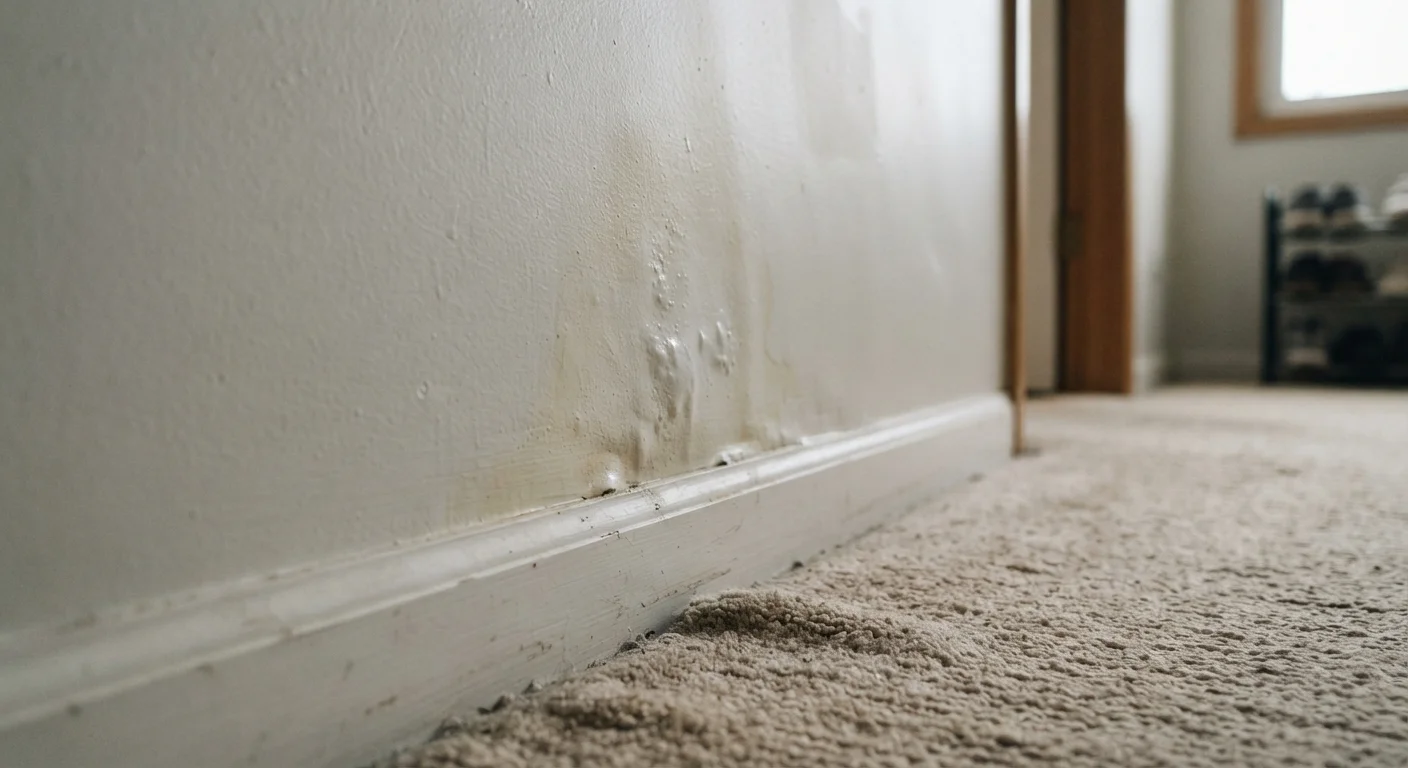
Photo credit: ResultsPoint.net | Find The Required Information
In this article
Musty smells, soft drywall, and peeling paint are rarely cosmetic. Learn the early indicators of water intrusion.
Key Takeaways
- Musty odors, soft drywall, and peeling paint are often the first signs of hidden moisture.
- Water damage frequently originates behind walls, under floors, or in attic spaces before becoming visible.
- Acting on early warning signs can prevent structural damage and mold growth.
- Certain areas — bathrooms, kitchens, basements, and roof penetrations — are the most common entry points.
- A professional inspection is warranted when multiple early signs appear together.
Why Water Damage Is Often Invisible at First
Most homeowners picture water damage as a soaked ceiling or warped floor. In reality, the process usually starts far more quietly — inside wall cavities, beneath subfloors, or in attic insulation — long before anything looks obviously wrong. By the time you spot a stain, moisture may have been present for weeks or months.
Water follows the path of least resistance. A slow drip from a supply line fitting can run down a stud and pool at the base of a wall without ever soaking through to the surface right away. Condensation from an improperly vented bathroom exhaust fan can gradually saturate insulation above the ceiling. The damage accumulates in hidden spaces, and only its side effects reach the surface you can see.
Understanding what those early side effects look like — and where to find them — is what separates a manageable repair from a costly, extensive remediation project. Our seasonal home walkthrough guide walks through when to schedule these checks so nothing gets missed between seasons.
Humidity Itself Can Be the Culprit
Not all water damage has a dramatic source like a burst pipe. In humid climates, chronically high indoor relative humidity — above roughly 60% — can gradually saturate building materials even without any specific leak. A hygrometer (a simple, inexpensive device that measures indoor humidity) can help you determine whether ambient moisture levels are a contributing factor in your home.
The Warning Signs Worth Taking Seriously
Each of these signs on its own might have an innocent explanation. Multiple signs appearing together — especially near plumbing walls, exterior surfaces, or below-grade spaces — should prompt closer investigation.
Musty or Earthy Odors
A persistent musty smell, particularly in rooms that otherwise appear dry and clean, often signals mold or mildew growing inside a wall, under flooring, or in a crawl space. Mold begins colonizing wet material within 24 to 48 hours, so an established odor suggests the moisture source has been present for some time.
Discoloration on Walls or Ceilings
Yellow, brown, or gray staining — even faint rings — indicate that water has wicked through drywall or plaster and dried there. The stain itself may feel dry to the touch, but the source is still active if the outline grows or if stains keep reappearing after painting over them.
Soft, Spongy, or Warped Drywall
Press lightly on the surface of walls near windows, under sinks, or along exterior-facing walls. Drywall that feels soft, gives slightly, or sounds hollow in an unusual way has likely absorbed moisture. Warping at the bottom of drywall panels near the floor is a common sign of chronic moisture at the base of the wall.
Peeling or Bubbling Paint
Paint fails when moisture behind it pushes outward, breaking the adhesive bond. Bubbles form when the paint separates but hasn't yet peeled away. This is especially telling on bathroom ceilings, near window sills, or on walls that share a plumbing chase.
Buckled or Cupped Flooring
Hardwood and engineered wood floors respond dramatically to moisture. Cupping — where board edges rise higher than the center — suggests moisture coming from below. Buckling, where boards lift off the subfloor entirely, indicates more sustained exposure. Both can also appear in laminate flooring.
Use Your Nose as Your First Diagnostic Tool
Before you look, smell. Walk slowly through each room, especially closets, under stairwells, and areas below bathrooms on upper floors. A musty or damp odor that intensifies in a specific corner or along a particular wall gives you a starting point for closer visual inspection. Odor is often the earliest detectable sign of hidden moisture.
Where to Look When You Suspect a Problem
Targeted checks in high-risk areas take less than 30 minutes and can reveal problems before they escalate. Focus your attention here:
- Under sinks and vanities: Pull everything out and inspect the back wall and floor of the cabinet. Staining, softness, or a musty smell in enclosed cabinet spaces are common early findings.
- Around the base of toilets: A wax ring that's beginning to fail can let small amounts of water escape at the floor level with every flush. Soft flooring at the toilet base warrants professional evaluation.
- Attic and roof penetrations: Skylights, plumbing vents, and chimney flashings are frequent entry points for water. In the attic, look for discolored insulation, stained sheathing, or daylight visible where there shouldn't be any.
- Basement walls and floor-wall joint: Efflorescence — white chalky mineral deposits — on masonry walls is a sign that water is moving through the concrete and evaporating at the surface. It's not structural damage itself, but it signals ongoing moisture migration.
- Window and door frames: Soft wood, paint failure, or visible gaps in caulking along frames are entry points for wind-driven rain. Check both the interior trim and the exterior perimeter.
If you own an older property, moisture issues can intersect with other vulnerabilities. Our article on keeping an older home in good shape addresses how aging plumbing and building materials change the picture.
~14,000
U.S. homes experience a water damage emergency daily
According to figures cited by the Insurance Information Institute, water damage is among the most frequently filed homeowners insurance claims in the United States.
24–48 hrs
Time for mold growth to begin on wet materials
The U.S. EPA notes that mold can begin to develop on damp surfaces within one to two days under typical indoor conditions.
98%
Of U.S. basements will experience some water damage
Industry estimates widely cited in home inspection literature suggest the vast majority of basements will suffer some form of water intrusion over their lifetime.
What to Do When You Find Something
Identifying a warning sign is only the first step. The approach from there depends on what you find and where it is.
For minor, clearly surfaced issues — a slow drip under a sink that you can trace to a loose fitting, or a failed caulk line around a tub — prompt repair is straightforward. Stop the source, dry the affected area thoroughly, and monitor for recurrence. Drying is critical: a surface that looks dry but retains moisture inside a wall cavity will continue to support mold growth.
When the source isn't obvious, or when the damage involves more than a small surface area, bring in a licensed professional. Water damage remediation specialists use moisture meters and thermal imaging cameras to map where moisture is present without opening up walls unnecessarily. This kind of diagnostic assessment is worth the investment before beginning any repair or renovation work.
It's also worth noting that some common assumptions about handling water damage are incorrect. Our coverage of home maintenance myths includes important clarifications about what bleach does and doesn't do against mold, which is relevant here.
For anyone planning a renovation in an area with suspected moisture history, a pre-renovation assessment is strongly advisable. Our room-by-room renovation checklist helps surface these issues before contractors begin work. And if you want a structured routine for ongoing checks, overlooked maintenance tasks covers the low-visibility systems — like sump pumps — that often contribute to water damage when neglected.
Frequently Asked Questions

Author
Home Editorial Team
Home Editorial Team is the collective byline for our editorial team and contributor network. Articles published under this byline or an editorial pen name are researched, written, and reviewed according to our editorial standards for clarity, consistency, and independence before publication.
View all articles →