
Why Gutters Fail — and What Proper Maintenance Actually Looks Like
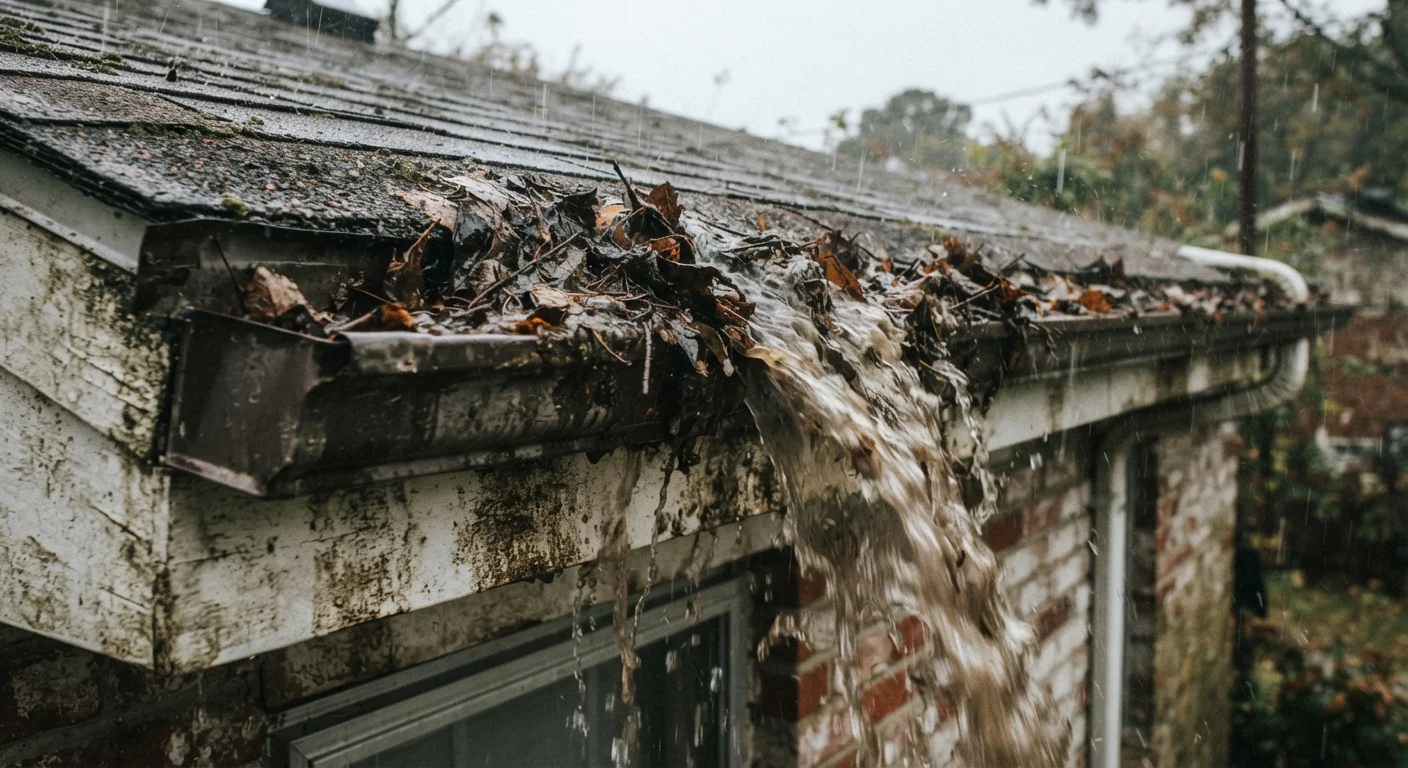
Photo credit: ResultsPoint.net | Find The Required Information
In this article
Clogged or sagging gutters cause water damage far from the roof. Understand the failure points and how to address them.
Key Takeaways
- Gutters fail most often due to clogs, improper slope, and loose fasteners — all preventable issues.
- Water that misses the downspout can damage your foundation, siding, and landscaping over time.
- Most gutters need cleaning at least twice a year — more if you have overhanging trees.
- Small repairs addressed early are far less expensive than water damage remediation later.
How Gutters Are Supposed to Work — and Where Things Go Wrong
A gutter system has one job: move rainwater from your roof to a safe discharge point away from your home's foundation. When it works correctly, you barely notice it. When it fails, the consequences can show up in places that seem completely unrelated — a damp basement, peeling exterior paint, eroded flower beds, or a cracked foundation.
The components involved are straightforward: the gutter channel, the hangers (fasteners that attach gutters to the fascia board), the downspouts, and the extensions or splash blocks that direct water away from the house. Each of these can and does fail — usually not all at once, and usually not dramatically. Gutter problems tend to sneak up on homeowners gradually, which is exactly why they get overlooked.
Understanding common failure points is the fastest way to stay ahead of expensive repairs. As we cover in what deferred maintenance actually does to a house, small neglected tasks reliably compound into structural problems over time. Gutters are a textbook example of that pattern.
Cleaning gutters only when they visibly overflow.
Why it happens: Overflow is the most obvious sign of trouble, so homeowners assume that's the threshold for action. By then, however, clogs have usually been building for weeks or months.
Ignoring downspout discharge points after clearing the gutter channel.
Why it happens: Once the gutters are clean and flowing, the job feels done. But downspouts that empty too close to the foundation, or into low spots, funnel water exactly where you don't want it.
Letting hangers go loose without re-securing them.
Why it happens: Loose hangers don't cause an immediate visible problem, so they get noted and forgotten. Over time, the gutter pulls away from the fascia board, creating gaps where water can travel behind the gutter and rot the wood.
Assuming gutters are sloped correctly once installed and never checking again.
Why it happens: Gutter slope (the slight pitch toward the downspout) is set at installation, but hangers can shift, freeze-thaw cycles can settle sections, and weight from debris can cause sagging over time.
Skipping gutter maintenance because guards were installed.
Why it happens: Gutter guards reduce the frequency and effort of cleaning, which is their real value. Many homeowners interpret that as eliminating the need entirely.
What a Realistic Maintenance Routine Actually Looks Like
Good gutter maintenance doesn't require specialized skills or expensive tools — but it does require consistency. Here's what a practical schedule looks like for most homes:
- Twice-yearly cleaning: Late spring and late fall are the standard windows. Spring cleaning removes winter debris and checks for winter damage; fall cleaning clears leaves before the wet season hits. Homes with heavy tree cover may need a third cleaning.
- Post-storm checks: After significant wind or rain events, do a quick visual inspection from the ground. Look for sagging sections, areas where water is pooling, or downspouts that have shifted.
- Annual hardware check: Walk the perimeter and look for loose or missing hangers, sections pulling away from the fascia, or gaps at joints. These are easy to fix early and expensive to fix after water infiltration begins.
- Downspout clearance: Confirm that water exits at least 4–6 feet from the foundation. Extensions and splash blocks are inexpensive and make a meaningful difference.
Ladder Safety Is Not Optional
Falls from ladders are among the most common causes of serious home-related injuries. When cleaning gutters, always use a stable, properly rated ladder on level ground, and have another person present to steady it. Never stand on the top two rungs, and never lean sideways past your body's center. If the work requires reaching areas that aren't safely accessible, hire a professional — the cost is far less than an emergency room visit.
If your gutters are older than 20 years, or if you notice consistent rust staining, multiple soft spots in the fascia behind them, or paint peeling in repeating patterns along the roofline, it may be worth having a professional assess whether replacement makes more sense than continued repair. This is also a task category where working safely matters — always use a stable ladder with a spotter, and never lean out beyond your reach.
For a broader look at similarly low-profile systems that tend to get ignored, see maintenance tasks homeowners overlook until something goes wrong.

Author
Home Editorial Team
Home Editorial Team is the collective byline for our editorial team and contributor network. Articles published under this byline or an editorial pen name are researched, written, and reviewed according to our editorial standards for clarity, consistency, and independence before publication.
View all articles →