
The Home Inspection: What It Covers and What It Doesn't
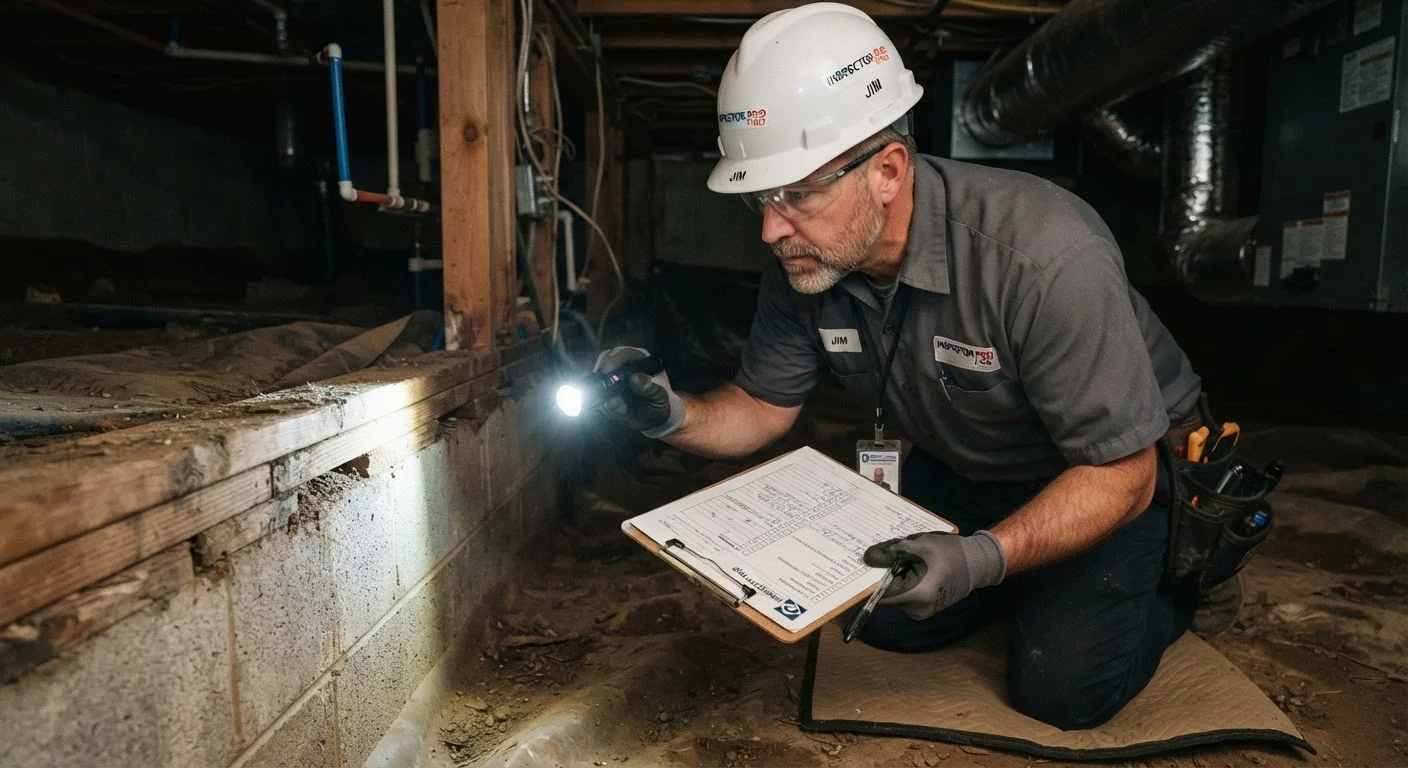
Photo credit: ResultsPoint.net | Find The Required Information
In this article
A home inspection is a critical step buyers sometimes skip or misunderstand. Here's what inspectors examine and where the limits are.
Key Takeaways
- A home inspection covers major systems like the roof, HVAC, plumbing, and electrical — but has clear limits.
- Inspectors provide an objective report; they do not pass or fail a home.
- Certain issues — such as mold, pests, and radon — require separate specialist inspections.
- Skipping an inspection to win a bidding war can leave buyers unaware of costly defects.
- The buyer typically pays for the inspection and attends it in person whenever possible.
What a Home Inspector Actually Examines
A licensed home inspector performs a thorough visual assessment of the property's accessible and visible systems and components. The goal is not to find every imperfection but to identify material defects — conditions that could significantly affect the home's value, safety, or livability.
Standard inspection scope typically includes:
- Roof: Condition of shingles, flashing, gutters, and visible decking
- Foundation and structure: Visible cracks, settling, or moisture intrusion in the basement or crawl space
- Exterior: Siding, grading, driveways, walkways, and drainage patterns
- Electrical system: Panel condition, visible wiring, outlets, and grounding
- Plumbing: Visible pipes, water heater, fixtures, and drainage
- HVAC: Heating and cooling equipment, ductwork, filters, and thermostats
- Insulation and ventilation: Attic insulation levels and ventilation adequacy
- Interior: Walls, ceilings, floors, windows, doors, and stairways
After the walk-through, you receive a detailed written report with photographs documenting each finding. Inspectors describe conditions — they do not grade the home pass or fail. Understanding the report's terminology is important; our guide to homebuying terminology can help clarify terms you may encounter.
Attend the Inspection in Person
Whenever possible, be present during the inspection rather than just waiting for the report. Walking through the home with the inspector lets you see issues directly, ask questions in real time, and get a clearer sense of severity. This firsthand understanding is difficult to replicate from a written report alone.
What the Inspection Does Not Cover
This is where many buyers are caught off guard. A standard inspection is limited to what is visually accessible. Inspectors do not open walls, move furniture, or dig up the yard. Several significant concerns fall outside the standard scope entirely.
Common exclusions include:
- Mold and air quality: Inspectors may note visible moisture or staining, but mold testing requires a separate environmental assessment.
- Radon: This odorless, radioactive gas is a common concern in many U.S. regions and requires dedicated testing equipment.
- Pest and termite damage: Wood-destroying insect inspections are separate and often required by lenders in certain states.
- Sewer and drain lines: A camera inspection of the sewer lateral is a distinct service, particularly important in older homes.
- Chimneys: A standard inspection notes obvious defects, but a certified chimney sweep provides a more thorough evaluation.
- Underground oil tanks or environmental hazards: These require specialist investigation.
A home inspection also cannot predict the future. A roof in acceptable condition today may still need replacement in a few years. Similarly, an inspection does not address boundary lines or encroachments — those questions are answered by a property survey. See our article on understanding your property survey for that distinction.
Consider Specialist Inspections for Older Homes
If you're purchasing a home built before 1980, consider add-on inspections for lead paint, asbestos, and knob-and-tube wiring — all common in older construction. These are not covered in a standard inspection but can represent significant health or remediation costs. Ask your inspector which add-ons make sense given the property's age and location.
How to Use the Inspection Report Strategically
Receiving a long inspection report full of findings can be unsettling, but nearly every home — new or old — will produce one. The key is prioritizing what matters.
Focus on safety issues and major systems first: a faulty electrical panel, active water intrusion, or a failing furnace carries far more financial weight than a sticking door or minor cosmetic crack. After the inspection, buyers generally have a few options:
- Ask the seller to repair specific items before closing
- Request a price reduction or closing cost credit to offset repair costs
- Accept the home as-is if findings are minor
- Walk away, if the contract includes an inspection contingency and findings are serious enough
Your real estate agent can advise on what is reasonable to request given local market conditions. Once you own the home, the inspection report becomes a useful maintenance roadmap. Pair it with the guidance in our first-time homeowner's maintenance guide to stay ahead of routine upkeep tasks.
~86%
Buyers who request a home inspection
According to the National Association of Realtors' Profile of Home Buyers and Sellers, the large majority of buyers include an inspection as part of the purchase process.
$300–$500
Typical inspection cost for a single-family home
Costs vary by region, home size, and inspector; this range reflects commonly cited national averages and is general educational guidance only.
Finally, note that an inspection report covers physical condition — not the financial protection you'll need afterward. Review what your homeowners policy will and won't cover separately; our explainer on what homeowners insurance actually covers walks through those gaps clearly.
Frequently Asked Questions

Author
Real Estate Basics Editorial Team
Real Estate Basics Editorial Team is the collective byline for our editorial team and contributor network. Articles published under this byline or an editorial pen name are researched, written, and reviewed according to our editorial standards for clarity, consistency, and independence before publication.
View all articles →