
Rolling vs. Folding Clothes: Which Method Actually Saves Space?
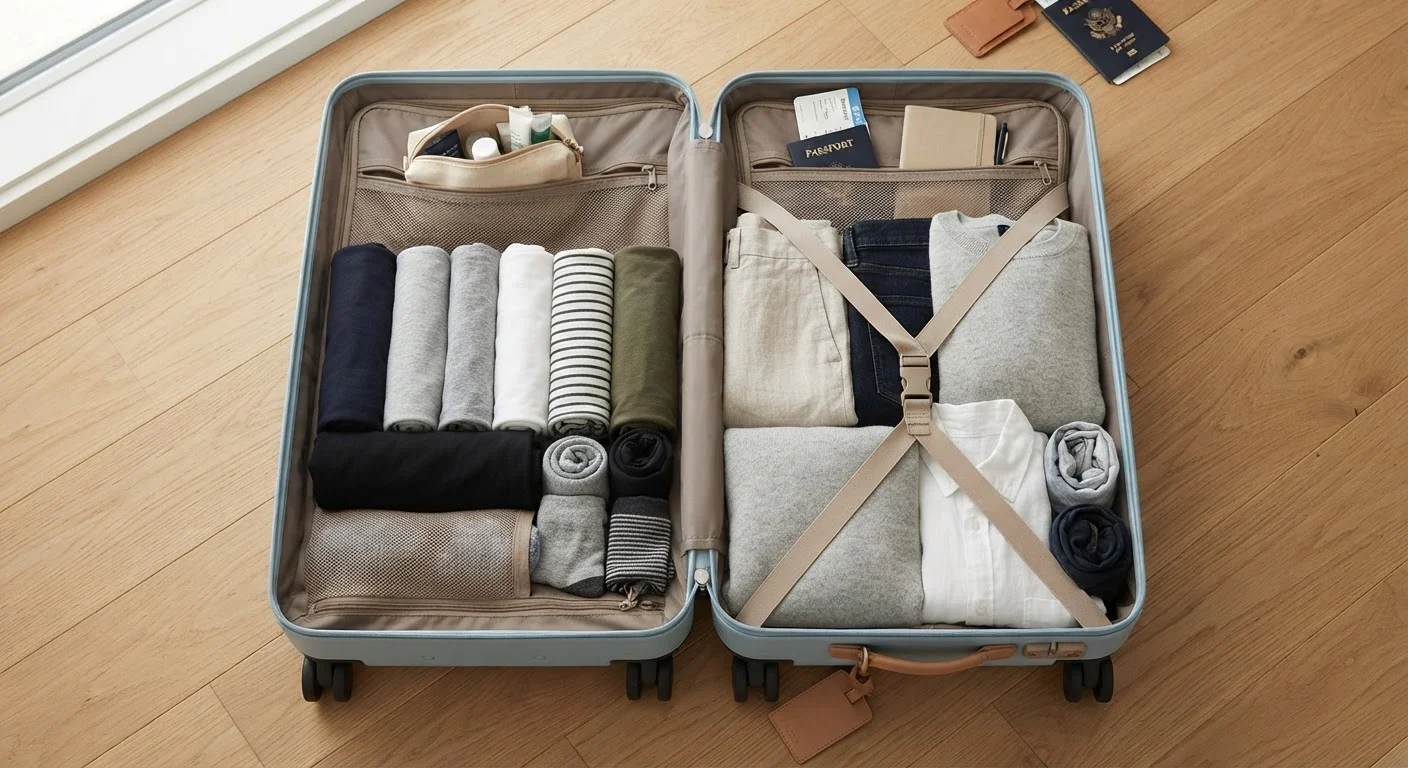
Photo credit: ResultsPoint.net | Find The Required Information
In this article
Rolling and folding each have real advantages depending on fabric type and bag shape. Here's what the evidence actually shows.
Key Takeaways
- Rolling generally saves more space in soft-sided bags and backpacks than folding does.
- Folding is better for structured dress shirts, blazers, and wrinkle-prone fabrics.
- The shape of your bag matters as much as the method you choose.
- Combining both techniques is usually the most practical approach for longer trips.
- Packing cubes can work with either method to add compression and organization.
Why This Debate Keeps Coming Up
Few packing arguments are as persistent as rolling versus folding. Travel forums, flight attendants, and seasoned road-trippers all seem to have a strong opinion — and yet many travelers still feel uncertain when standing over an open suitcase the night before a trip.
The confusion is understandable. Both methods work, but neither works universally. The "right" answer depends on fabric type, bag shape, trip length, and what you're actually packing. Rather than declaring a winner, this article walks through the real evidence behind each approach so you can make the decision that fits your specific trip.
If you're also weighing whether to check a bag at all, our guide on carry-on vs. checked luggage covers that decision in depth.
Myth
Rolling clothes always saves more space than folding, no matter what you're packing.
Fact
Rolling saves space primarily with soft, casual fabrics in flexible bags — it is not universally superior across all garment types or luggage shapes.
The space-saving advantage of rolling is real but conditional. Cylindrical rolls can fill rounded corners in backpacks and duffels that flat stacks cannot reach. However, in a hard-shell rectangular suitcase, neatly folded stacks often fill the space just as efficiently — and without the uneven gaps that rolling can create. The fabric also matters: T-shirts and leggings roll tightly with minimal bulk, while thicker items like denim jackets may actually take up more space when rolled than when folded flat.
Myth
Folding clothes causes more wrinkles than rolling does.
Fact
Wrinkles depend more on fabric type and packing pressure than on whether a garment is rolled or folded.
Rolling can actually introduce creases along the cylinder's edge if the roll is uneven or if clothing sits compressed for a long flight. Synthetic fabrics and jersey knits resist wrinkles under either method. Wrinkle-prone fabrics — linen, rayon, lightweight cotton dress shirts — will suffer under both techniques if packed tightly. For those items, a flat fold with tissue paper layering, a packing folder, or a hanging garment bag is a more reliable option than either standard method.
Myth
If you roll everything tightly enough, you can fit a week's worth of clothes into any carry-on.
Fact
Bag volume sets a hard ceiling — packing method helps you use that volume efficiently, but cannot create space that isn't there.
This is one of the most persistent packing myths, and it leads travelers to overpack and then struggle at the gate. Rolling efficiently can recover meaningful space, but the total volume of your clothing, toiletries, and gear must still fit within your bag's physical capacity. A disciplined clothing list — choosing versatile, lightweight pieces — does more for your total pack volume than any folding technique. For a structured approach, our toiletry packing strategies article shows how to reduce one of the other major space consumers.
Myth
Packing cubes make rolling unnecessary by compressing everything automatically.
Fact
Packing cubes organize and modestly compress clothing, but they work best when used alongside deliberate rolling or folding — not instead of it.
Compression packing cubes can remove some air from garments, but they are not a substitute for thoughtful packing technique. A cube filled with loosely folded shirts will still be bulkier than one filled with tightly rolled items. The most efficient approach is to apply your preferred technique first, then use cubes to group categories and keep compression consistent across the bag. Cubes also help at your destination — you can pull out a single cube rather than unpacking everything.
When Rolling Wins — and When It Doesn't
Rolling excels in soft-sided bags, duffel bags, and backpacks because it lets you fill irregular corners and curved spaces that flat-folded stacks can't reach. Casual fabrics — T-shirts, jeans, leggings, fleece, and synthetic activewear — compress well into tight cylinders without meaningful wrinkling.
Where rolling underperforms is with structured garments. A rolled dress shirt will exit your suitcase looking slept-in. Blazers, linen trousers, and wool suits lose their shape quickly when rolled, especially if they're pressed against other items for hours. For those pieces, folding — or better yet, a dedicated garment folder technique — is the practical choice.
~30%
Estimated space savings from rolling vs. folding casual knits
Independent packing efficiency tests by travel writers and gear reviewers consistently suggest rolling soft fabrics can recover roughly 20–30% more usable space in flexible bags compared to flat folding.
2–3x
More likely to over-pack without a defined clothing list
Travel behavior research suggests travelers who pack without a written list are significantly more likely to bring items they never use, regardless of the packing method they employ.
If you're working with a single bag for a longer trip, pairing your rolling technique with packing cubes can compress clothing further and keep categories separated. See our look at whether packing cubes are worth it for a balanced assessment.
Matching Your Method to Your Bag and Trip
Hard-shell suitcases with rigid rectangular interiors tend to favor folding — the flat geometry of folded stacks fits the space cleanly, especially when a built-in compression strap holds everything down. Rolling in a hard-shell can leave awkward gaps and cause items to shift during transit.
Backpacks and soft duffels are the opposite story. A rolled T-shirt can fill the rounded bottom of a backpack in a way a folded stack never could. For one-bag travelers — those flying and moving with a single pack — rolling is often a practical necessity, not just a preference. Our overview of the one-bag travel method explains why this approach shapes every packing decision.
Don't Over-Roll Structured Garments
Rolling suits, dress shirts, blazers, or structured trousers can permanently stress seams and collar construction over repeated trips. If you need to pack formalwear, fold it flat with the natural seams aligned or use a dedicated garment folder. Arriving at a business meeting or special event with creased lapels or collar damage is rarely worth the marginal space saved.
For most trips of four or more days, the most efficient approach is a deliberate hybrid: roll casual knits and synthetic fabrics, fold structured or wrinkle-sensitive pieces flat against the interior, and use the rigid edges of the bag for shoes and toiletries. This is exactly the kind of layered strategy covered in our week-in-a-carry-on packing guide.

Author
Travel Editorial Team
Travel Editorial Team is the collective byline for our editorial team and contributor network. Articles published under this byline or an editorial pen name are researched, written, and reviewed according to our editorial standards for clarity, consistency, and independence before publication.
View all articles →